
Revival Furniture
Revival furniture brings earlier historical epochs back to life through the skilled hands of nineteenth and early twentieth century makers.
Revival Furniture
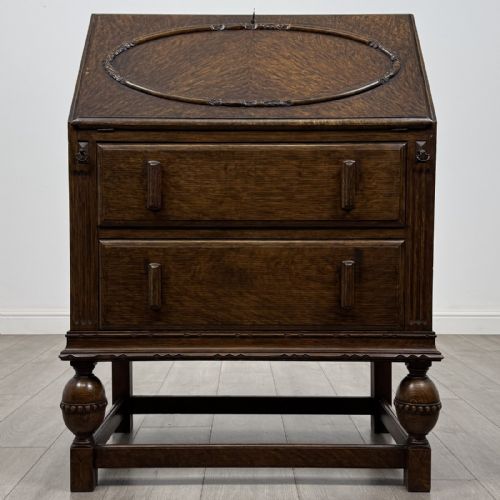
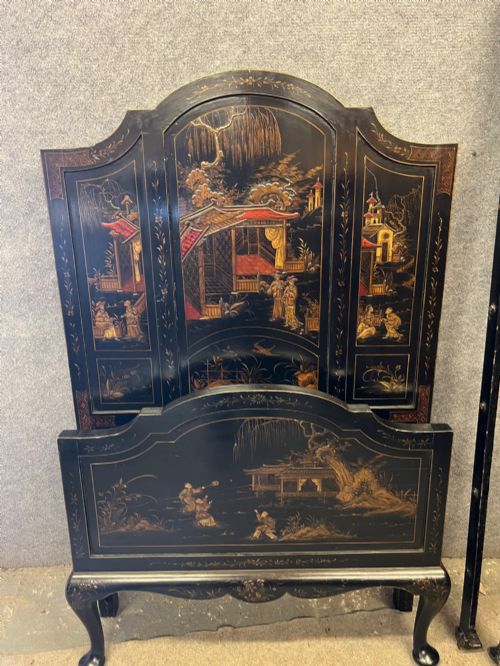
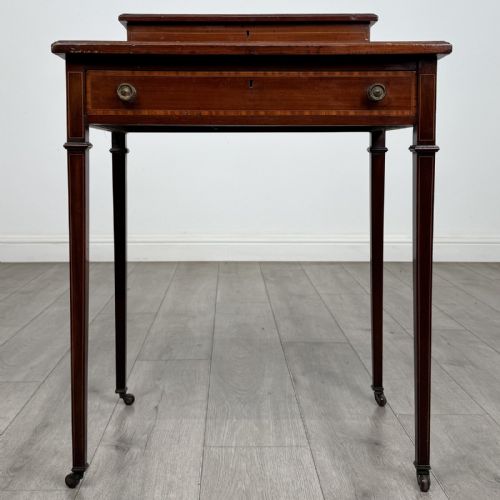
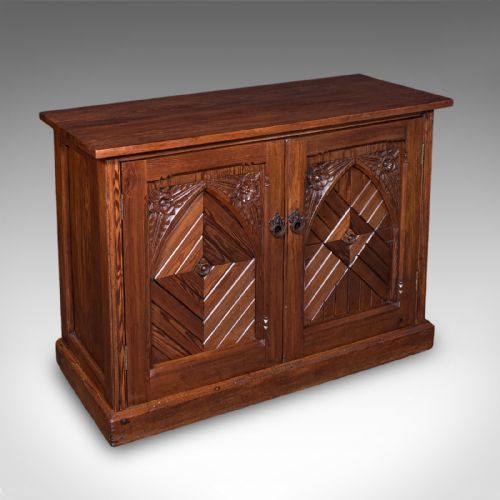
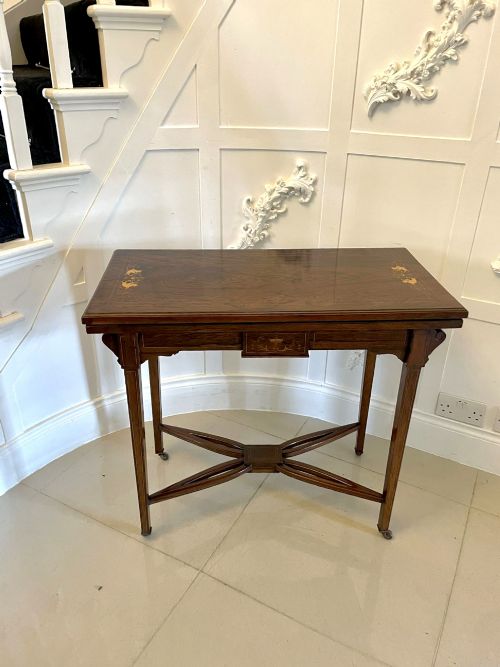
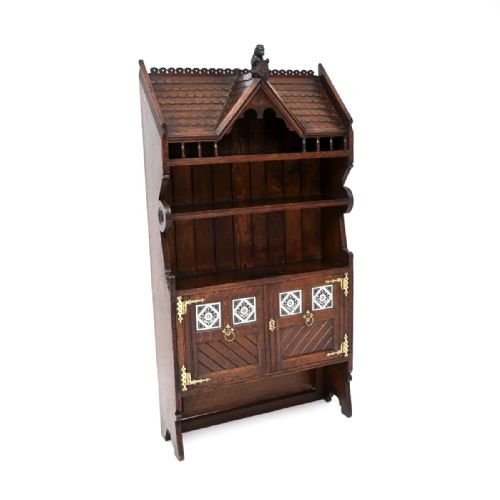
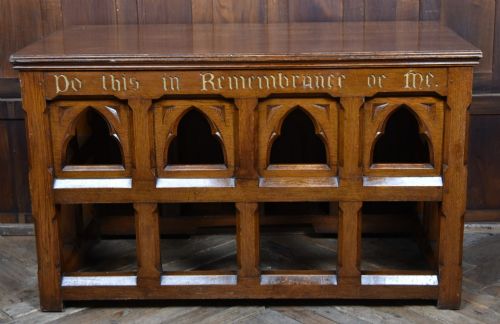
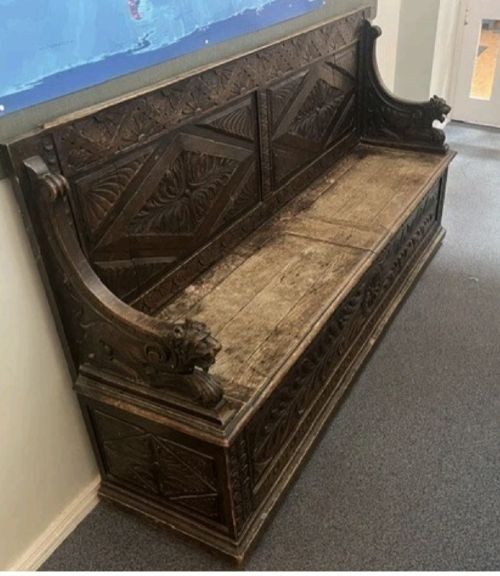
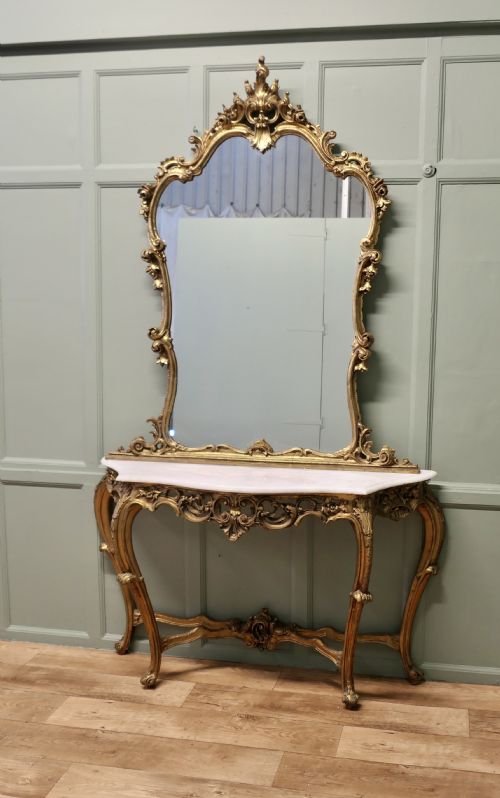
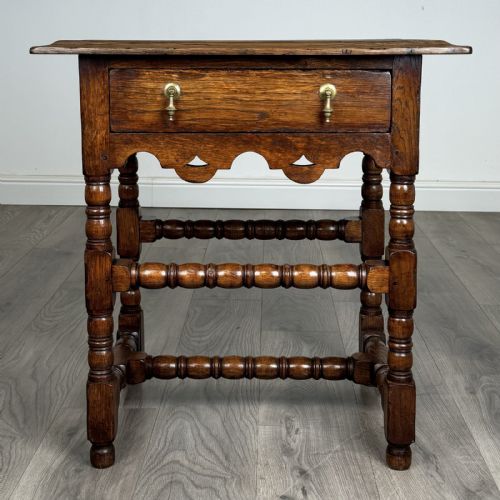
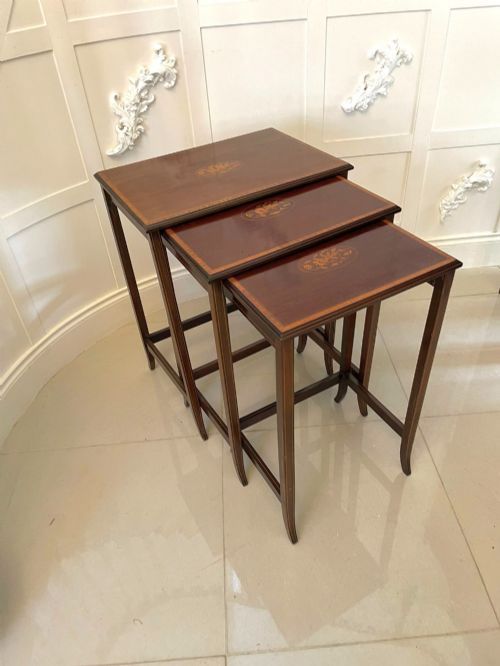
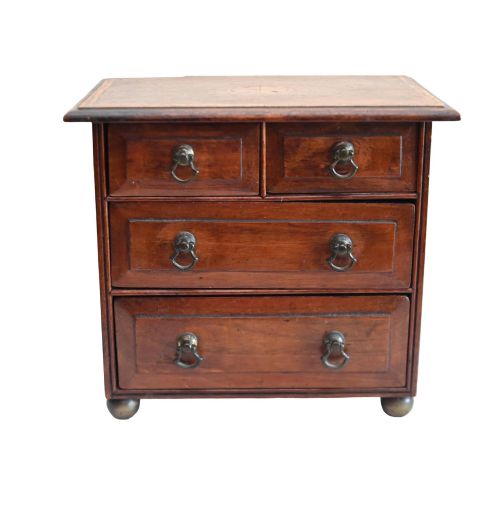
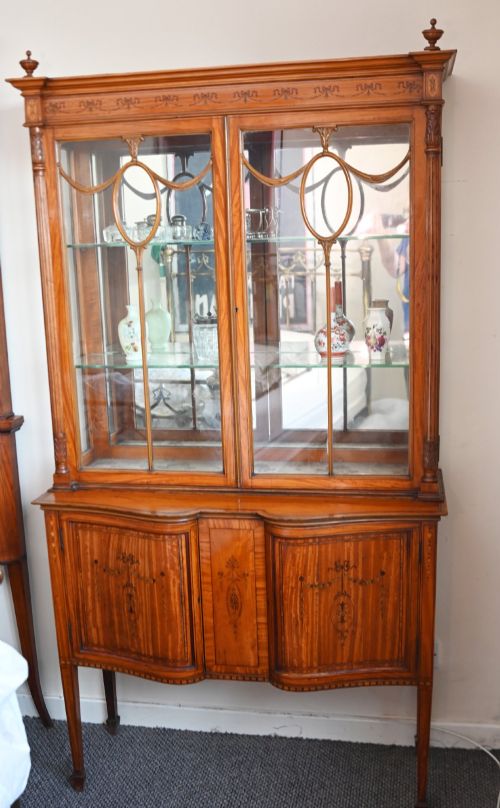
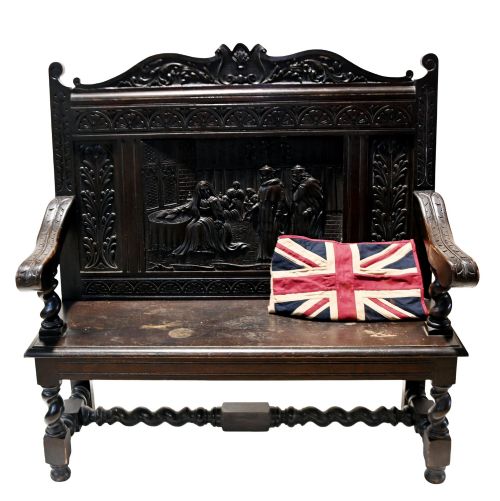
Revival furniture encompasses pieces created in the nineteenth and early twentieth centuries that look back to earlier historical periods such as the Gothic, Renaissance, Jacobean, and Georgian eras. When searching for revival furniture, buyers encounter a diverse range of domestic items including desks, side tables, cabinets, display cases, and benches that adapt past aesthetics to contemporary nineteenth century living.
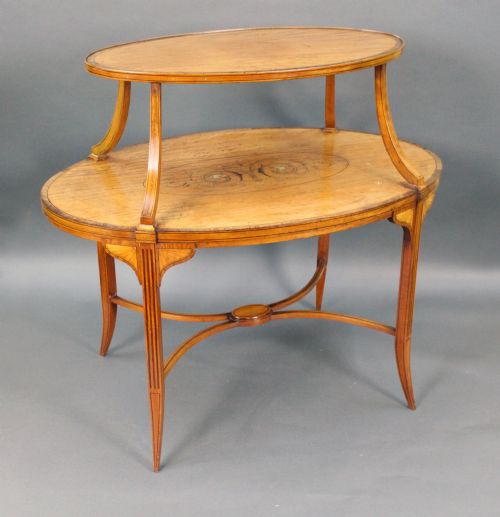
The versions most commonly met on this page stem from the Victorian and Edwardian periods, alongside pieces dated around eighteen eighty and nineteen twenty. These items span oak, mahogany, satinwood, and walnut, often reflecting specific stylistic movements like the Gothic Revival, Sheraton Revival, and Aesthetic Movement.
Materials and construction
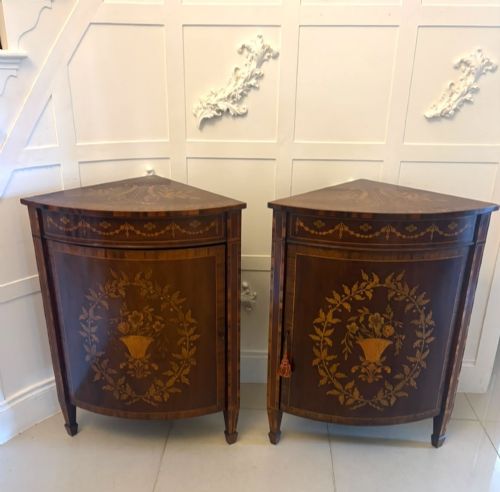
Makers utilised dense timbers such as oak, mahogany, walnut, and satinwood, frequently employing techniques like marquetry inlay, carving, and turning to emulate earlier historical prototypes. Brass mounts, ormolu, and glass doors appear on fine cabinets and writing desks, combining structural integrity with decorative refinement.
Joinery methods followed traditional cabinetmaking standards, visible in dovetailed drawers, jointed frames, and fitted interiors. Secondary woods and iron hardware support the primary show woods, ensuring both durability and decorative consistency across diverse revival styles.
A carved oak lectern complete with an eagle reminds us that nineteenth-century craftsmen enjoyed bringing dramatic wildlife into unexpected domestic and ecclesiastical settings.
Evaluating quality in revival pieces
The distinction between standard commercial output and the top of the range rests on the depth of the carving, the precision of the marquetry inlay, and the choice of timber figurations such as burr walnut or figured oak. Superior pieces exhibit meticulous hand-finishing, balanced proportions, and integrated decorative schemes that respect the historical style without appearing heavy-handed.
Design coherence separates exceptional examples from ordinary production. Pieces that maintain correct historical vocabulary through thoughtful details like hand-painted decoration, quality brass hardware, and well-executed stylistic motifs command greater appreciation than generic interpretations.
John Moyr Smith·Edwards & Roberts·Gillows·Bowman Brothers
The Revival Furniture Glossary
- Marquetry
- The art of applying pieces of veneer to a structure to form decorative patterns and pictures. It appears frequently on cabinet doors and tabletops.
- Linenfold
- A style of wood carving that imitates folded linen, commonly seen on panels of cupboards and chests from revival periods inspired by earlier centuries.
- Étagère
- A piece of furniture consisting of a set of open shelves for displaying small objects, often tiered and constructed from satinwood or mahogany.
- Ormolu
- Gilded bronze applications used as mounts on furniture, adding ornamental detail to desks and cabinets.
- Vitrine
- A glass-fronted display cabinet used for showcasing porcelain and curiosities.
Revival Furniture: Frequently Asked Questions
What is revival furniture?
Revival furniture refers to pieces made in the nineteenth and twentieth centuries that consciously imitate the styles of earlier historic eras.
Craftsmen drew inspiration from Gothic, Jacobean, Georgian, and Renaissance designs to create domestic items that suited contemporary Victorian and Edwardian homes.
How do I identify the period?
Identifying the period involves examining the timber selection, construction methods, and stylistic cues present in the piece.
Victorian and Edwardian examples often combine historical ornamentation with nineteenth-century cabinetmaking techniques, while specific dates can sometimes be inferred from registered designs or maker signatures.
Where were these pieces used?
These items served functional roles in reception rooms, libraries, hallways, and studies of period homes.
Larger cabinets and sideboards equipped dining rooms, while writing tables and Davenport desks furnished private studies and drawing rooms.
How should I care for timber surfaces?
Maintaining wood surfaces requires avoiding direct sunlight and stable humidity to prevent timber movement and veneer lifting.
Regular dusting with a soft cloth and occasional application of appropriate wax helps preserve the finish and nourish the grain.