





Retro Portrait Painting
A retro portrait painting brings mid-century character and bold personality directly to your walls through striking mid-century canvases.
Retro Portrait Painting
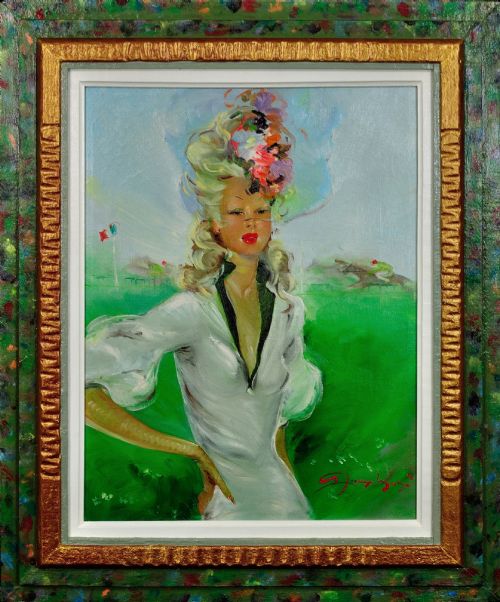
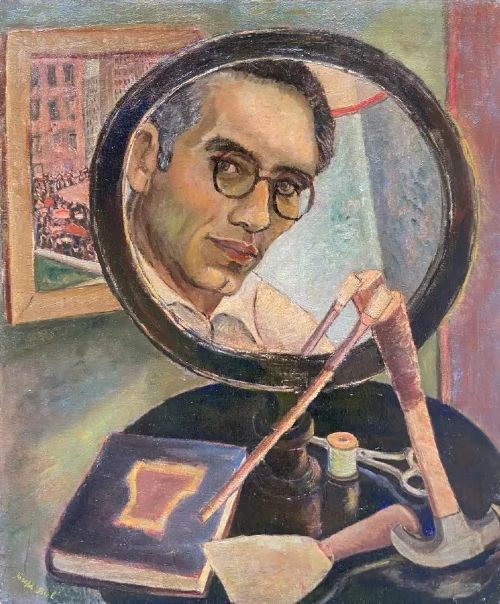
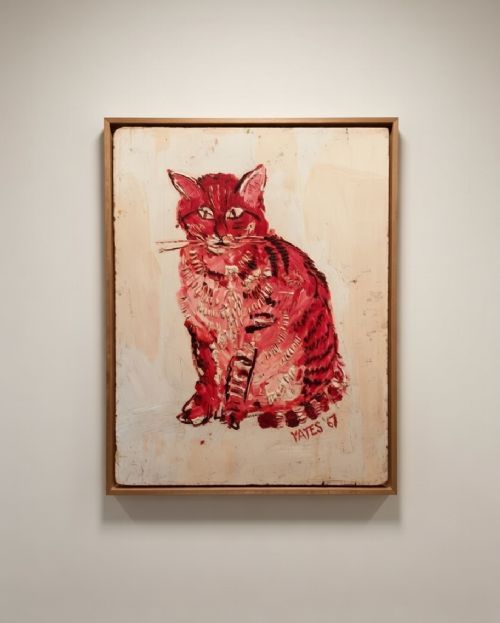
A retro portrait painting captures subjects ranging from fashionable ladies and Cornish nudes to domestic animals and self-portraits across the interwar and mid-century periods. These works span mid-century realism, expressionism, op art, and naive art, reflecting diverse artistic movements of the decades.
Most pieces encountered here originate from the mid-century era, particularly the nineteen-fifties and nineteen-sixties, alongside earlier interwar examples. They take the form of wall art and fine art paintings designed to command attention in a room.
How They Were Made
Artists painted these works using oil paint and acrylic on supports such as canvas, wood, and board. The application of pigment ranges from smooth realistic blending to vibrant, expressive strokes.
Framing forms an integral part of the presentation, utilising timber frames and gilt finishes that complement the era of creation.
Materials across these listings include oil paint, canvas, wood, board, and gilt timber frames from the nineteen-twenties to the nineteen-sixties.
What Varies in Quality
The strength of the composition and the confidence of the brushwork separate compelling works from simpler exercises. Bold handling of paint and a clear sense of character elevate individual pieces.
The physical integrity of the support, whether canvas, board, or wood, together with the preservation of the original surface, defines the condition of the painting.
Jean-Gabriel Domergue·Joseph Biel·Tony Giles·Fred Yates·Yetta Kane·John Osborn·Eugen Rosenfeld·Valerie Mackenzie
The Retro Portrait Painting Glossary
- Oil paint
- A slow-drying paint made with pigmented particles suspended in a drying oil, typically linseed oil. This medium allows for rich blending and textured impasto effects.
- Canvas
- A heavy woven fabric used as a surface for painting, typically stretched across a wooden frame. It provides a resilient and responsive ground for oil and acrylic applications.
- Board
- A rigid flat panel, such as hardboard or wooden board, utilised as a sturdy alternative to stretched canvas. Painters often selected board for smaller or more direct studies.
- Op art
- A style of visual art that uses optical illusions, employing abstract patterns and vibrant geometric shapes. This movement gained prominence during the mid-century period.
Retro Portrait Painting: Frequently Asked Questions
What subjects appear in these portraits?
These works depict a wide variety of subjects, including fashionable ladies, nude studies, children, animals like dogs and lions, and artists themselves. Each piece captures a distinct personality or moment in time.
Creators worked across different traditions, ranging from formal self-portraits and observed likenesses to expressive and abstract interpretations of human and animal forms.
How do I hang a painted board?
Paintings on board require a secure hanging system attached firmly to the wooden or composite support rather than relying on the frame alone. Professional framers often add d-rings and picture wire suited to the weight.
Keep these works away from direct sunlight and fluctuating humidity to protect both the painted surface and the rigid backing panel over time.
Are these paintings signed by the artists?
Many examples bear signatures or inscriptions left by the painter, while others remain anonymous or attributed to specific schools and followers. Signatures provide direct links to the creators recorded in the titles.
Documentation on the reverse or framing often helps identify lesser-known painters or confirms the date and context of the creation.
What defines mid-century art style?
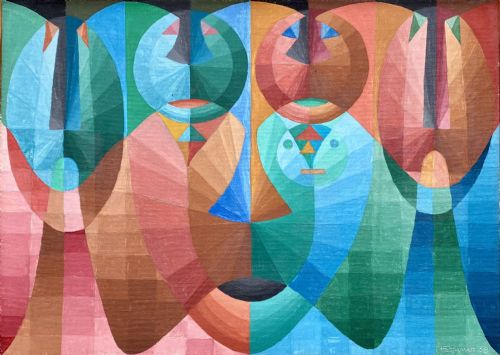
Mid-century art encompasses a departure from traditional academic realism towards bolder brushwork, simplified forms, and experimental palettes. Artists embraced expressionism, naive art, and geometric abstraction alongside modern realism.
This era prioritised individual expression and decorative impact, making these paintings well-suited to contemporary interior spaces.