




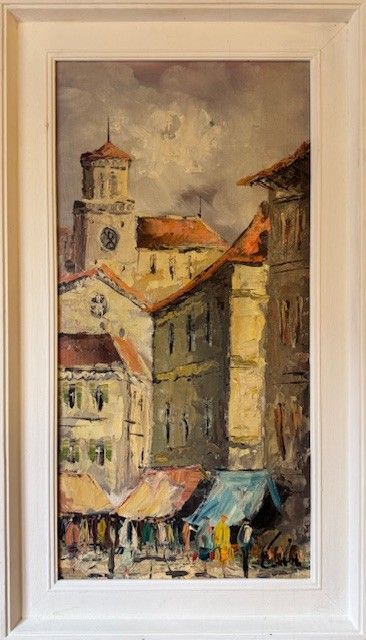


Retro Oil Painting
A retro oil painting brings mid-century colour and texture to a room, offering genuine period character through canvas, board, and expressive brushwork.
Retro Oil Painting
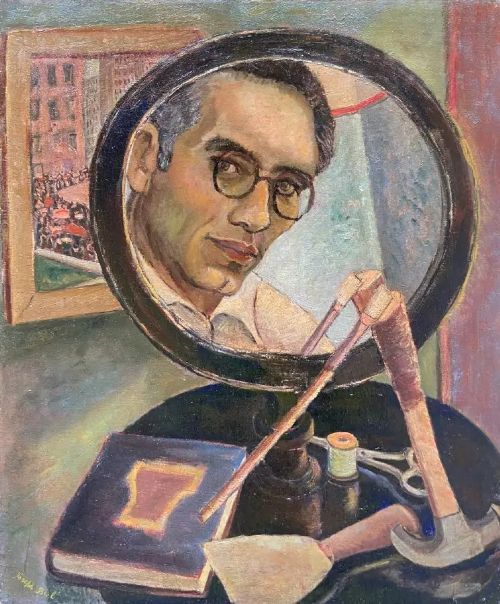
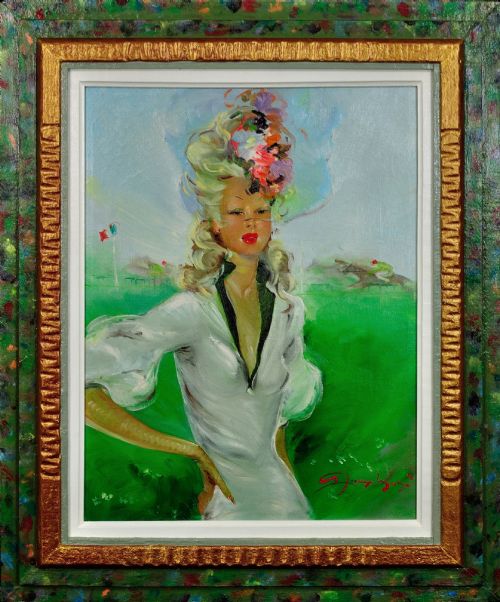
A retro oil painting encompasses works produced primarily during the mid-century decades, spanning impressionist street scenes, abstract cityscapes, and intimate portraits. These pieces reflect the artistic movements of the nineteen fifties and nineteen sixties, alongside occasional earlier twentieth-century examples.
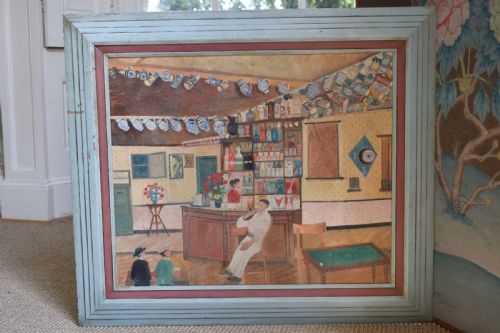
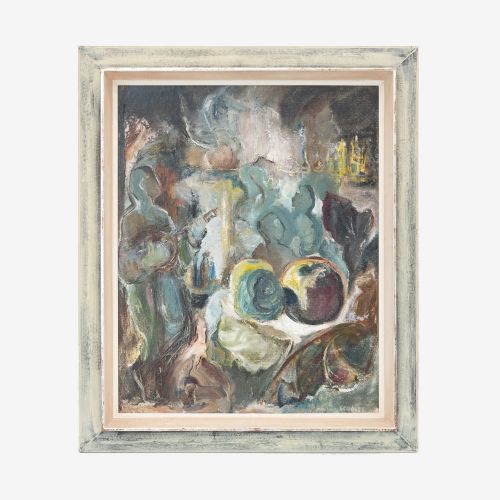
Buyers encounter a diverse selection of subjects on this page, ranging from Parisian street views and French market squares to still life compositions of flowers and fruit. Portraiture, animal studies, and abstract geometric designs also appear frequently among the listings.
Originating from various European and British studios, these artworks utilise traditional painting methods applied to canvas or board, often retained within their original wood frames. The selection bridges formal academic skill and more liberated mid-century modern expressions.
Materials and construction
Artists painted primarily with oil colours applied to woven canvas stretched over wooden frames or directly onto rigid boards. Many mid-century works incorporate thick impasto techniques, building up physical texture on the surface.
Wood frames, frequently finished with gilt details, encase the majority of these paintings, providing structural support and period context. The combination of oil paint, canvas, and timber reflects standard mid-century framing and display traditions.
Retro Oil Painting Retail Price Guide 2026
Typical asking prices for retro oil painting among the pieces listed under this phrase on Sellingantiques today, from the lower quarter to the upper quarter. They describe what is for sale here now, not the wider market.
Styles include mid-century modern, impressionism, realism, modernist, expressionism, and naive art, covering portraits, landscapes, and abstracts.
Judging quality in these paintings
Quality rests upon the confidence of the brushwork, the cohesion of the composition, and the handling of light and colour within the scene. Stronger works demonstrate a clear artistic vision and deliberate pigment application, whether representing an abstract interior or a figurative portrait.
The integrity of the canvas or board surface, the stability of the oil paint layer, and the matching character of the frame contribute to the overall standard. Pieces bearing signatures from recognised mid-century painters or demonstrating distinct regional styles hold particular distinction.
Lilian Colbourn·Caroline Burnett·Tony Giles·Ron Folland·Stuart Armfield·Fred Yates·Yetta Kane·John Osborn·Valerie Mackenzie·William Ernst Burwell
The Retro Oil Painting Glossary
- Impasto
- Paint applied thickly to a canvas or board, standing in relief and retaining the marks of the brush or palette knife. This technique creates a tangible three-dimensional surface texture.
- Canvas
- A heavy woven fabric stretched across a wooden stretcher frame to serve as a foundation for oil painting. It remains the most common support medium found in this category.
- Board
- A rigid flat panel utilised as an alternative to stretched canvas for oil paintings. Artists frequently used wooden or composition boards during the mid-century period.
- Gilt
- A thin layer of gold leaf or metallic paint applied to wooden frames. It adds reflective warmth and decorative finish to the presentation of the artwork.
- Still life
- An artwork depicting inanimate subject matter, typically commonplace objects such as flowers, fruit, or glassware. These compositions focus on arrangement, light, and colour harmony.
Retro Oil Painting: Frequently Asked Questions
How do I hang an oil painting?
Secure the painting using appropriate wall fixings matched to the weight of the wood frame and canvas. Ensure the piece hangs away from direct sunlight and excessive moisture to protect the oil pigments.
Position the centre of the canvas at standard eye level for optimal viewing. Check that the hanging wire or brackets on the reverse are stable before mounting.
What subjects are most common?
Mid-century urban scenes, Parisian street views, and still life arrangements of flowers or fruit appear frequently across the selections. Portraiture and abstract compositions also represent major themes within these twentieth-century works.
Artists frequently recorded everyday environments, interiors, and coastal villages. These diverse subjects capture the changing aesthetic priorities of the nineteen fifties and nineteen sixties.
Are these paintings original?
The works listed are original hand-painted pieces created directly by artists rather than mass-produced prints or reproductions. Each canvas or board bears the unique brushstrokes and pigment choices of its creator.
Signatures often accompany the compositions, pointing to individual artists working during the mid-century era. Unsigned examples remain authentic period works created by unknown hands.
How should I clean my painting?
Dust the canvas and wooden frame gently with a soft, dry, lint-free brush or cloth. Avoid using water, household cleaners, or chemical solvents on the oil paint surface.
Professional conservators should handle any deep cleaning or restoration of aged oil layers. Regular light dusting prevents particulate buildup without risking the integrity of the impasto or canvas.