


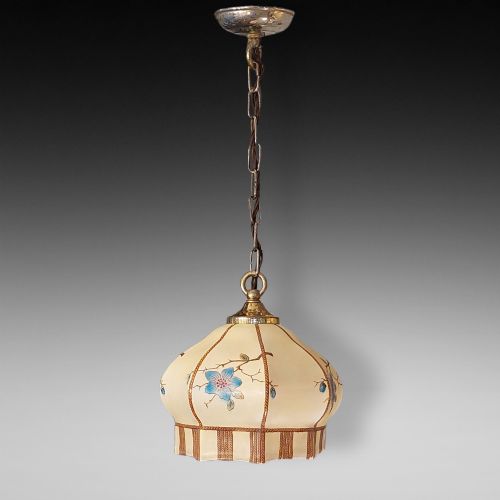


Retro Hanging Lamp
A retro hanging lamp brings genuine period character to a room, offering both practical illumination and striking historical design.
Retro Hanging Lamp
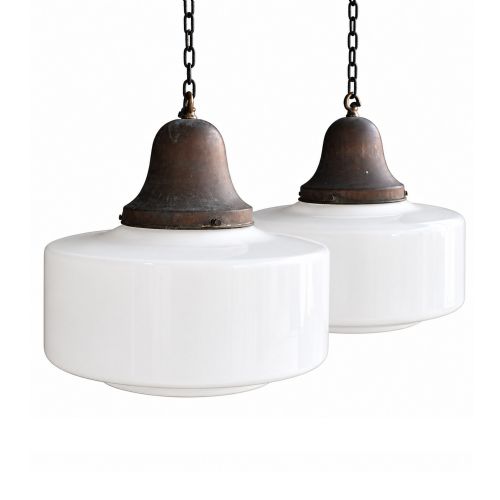
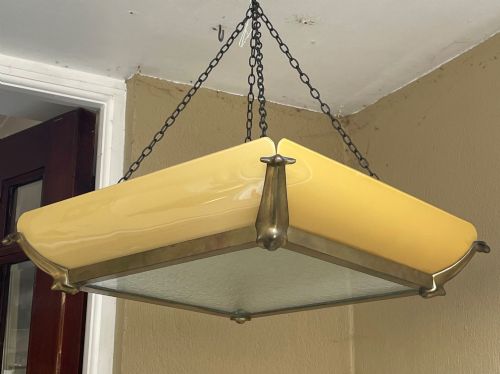
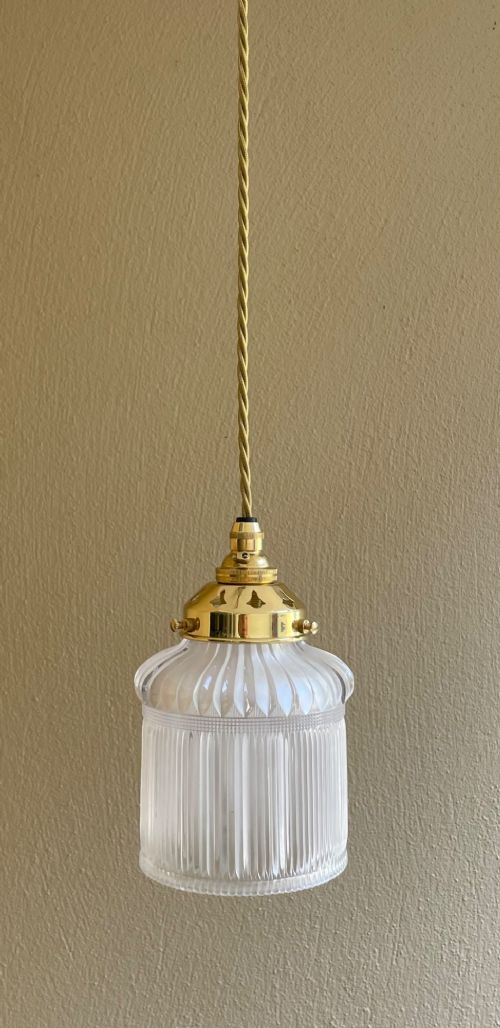
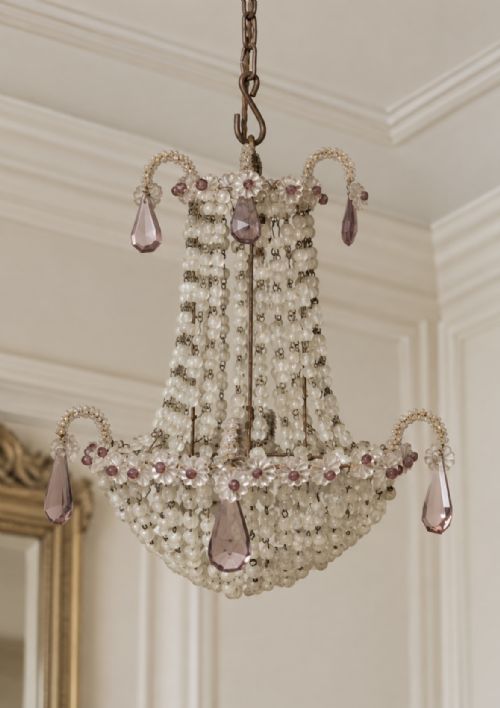
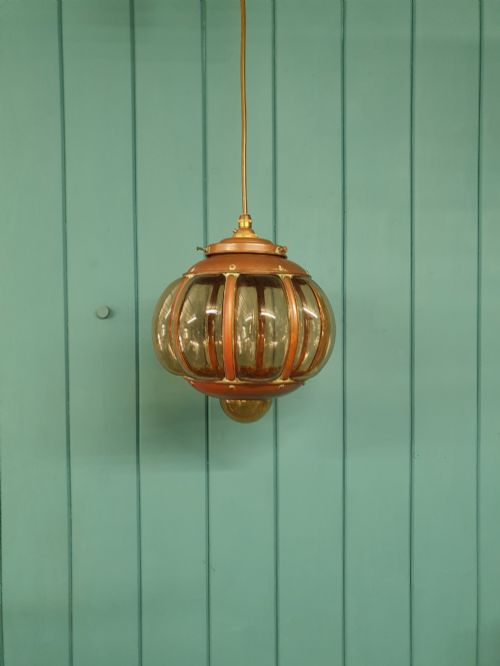
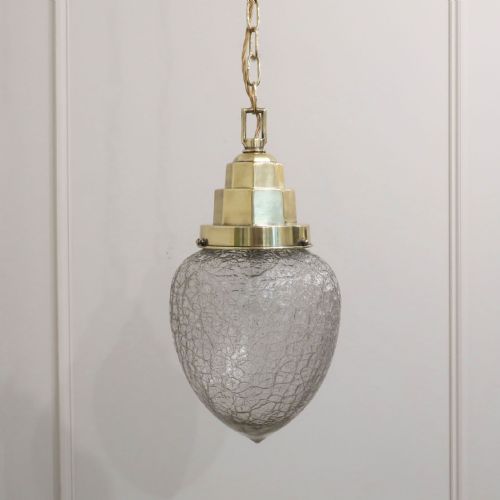
A retro hanging lamp encompasses pendant lights, ceiling lights, and chandeliers originating from the early twentieth century up through the nineteen-forties. These pieces span styles from Edwardian nautical copper fittings to streamline Art Deco glass globes and utilitarian factory lighting.
Buyers exploring this selection most frequently encounter nineteen-thirties pieces, particularly opaline glass pendants and Art Deco fixtures. These items served functional roles in homes, institutions, and industrial spaces before finding new life in modern domestic interiors.
How they were made
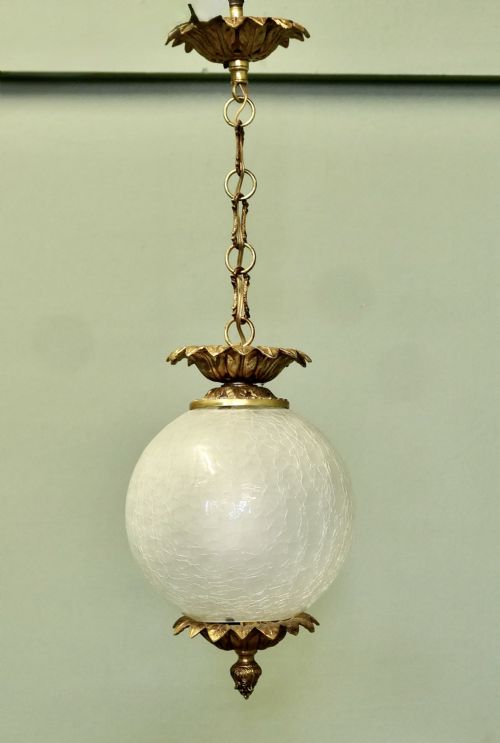
Makers utilised a combination of spun and cast metals, including brass, copper, chrome, steel, and enamel, to form durable galleries and fixings. Glass components were mouth-blown, moulded, or pressed into specialised shapes such as opaline globes, frosted shades, and prismatic bowls.
Many lights incorporate specialised surface treatments and structural details like hand-painted glass, crackle effects, and metal cages to diffuse light effectively. These manufacturing techniques ensured both functional illumination and decorative appeal for commercial and residential settings.
Retro Hanging Lamp Retail Price Guide 2026
Typical asking prices for retro hanging lamp among the pieces listed under this phrase on Sellingantiques today, from the lower quarter to the upper quarter. They describe what is for sale here now, not the wider market.
Some past factory workers surely muttered under their enamel shades, unaware their mundane task lights would one day illuminate chic urban apartments.
What varies in quality
Quality in these lighting fixtures rests on the integrity of the materials, the weight of the metal galleries, and the purity or thickness of the glass shades. Heavier gauge brass, copper, and thick opaline or prismatic glass indicate superior production standards compared to lighter utility versions.
The sophistication of the design, such as the complexity of an Art Deco moulding or the inclusion of signed French glasswork, elevates certain examples above standard commercial factory lighting.
Jean Gauthier·VESTARAY
The Retro Hanging Lamp Glossary
- Opaline glass
- A milky, translucent white glass that diffuses light softly without harsh glares. It was widely used for twentieth-century pendant shades and globe lights.
- Plafonnier
- A ceiling-mounted light fixture where the glass shade sits flush or close against the ceiling rose. This form gained popularity during the Art Deco period.
- Holophane
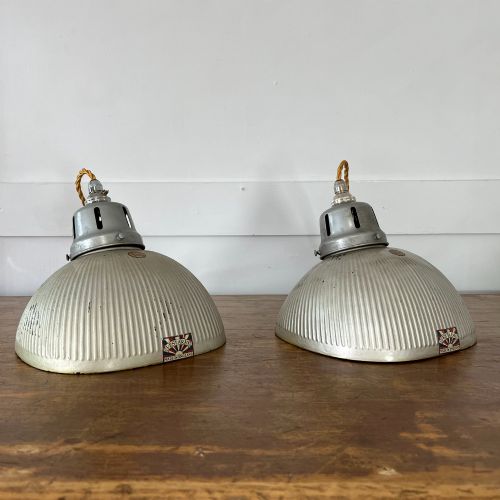
- A brand and style of prismatic glass designed to direct and control light efficiently. These ribbed shades are common in industrial and commercial lighting.
- Gallery
- The metal collar or holder at the top of a pendant shade that secures the glass to the suspension rod or flex.
Retro Hanging Lamp: Frequently Asked Questions
How do I hang a retro pendant light?
Suspension typically requires a compatible ceiling hook and an appropriate electrical flex connected to your household circuit. Professional installation by a qualified electrician ensures the weight of the metal and glass is safely supported.
Adjustment of the drop height should be planned according to your ceiling clearance and the surface the lamp illuminates below.
How do I clean opaline glass shades?
Careful washing in warm soapy water using a soft cloth removes dust and grease accumulated over decades. Avoid harsh chemical abrasives that might damage historical glass surfaces or painted details.
Ensure glass components are completely dry before reassembling them into the metal gallery and turning the power back on.
What rooms suit an industrial factory light?
Enamel and metal factory pendants work well in kitchens, dining areas, and hallways where robust task lighting is useful. Their utilitarian forms contrast effectively against residential plasterwork and wooden furniture.
Grouping matched pairs or sets together helps create a balanced focal point over kitchen islands or long tables.