




Retro Drink Shaker
These retro drink shaker pieces bring geometric polish and mechanical ingenuity straight from twentieth-century cocktail bars.
Retro Drink Shaker
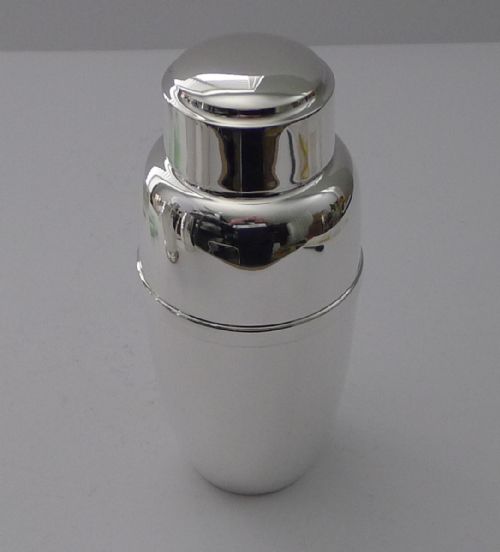
A retro drink shaker combines metal bodies, glass vessels and clever inner mechanics designed to mix spirits with style. Most examples encountered here hail from the Art Deco period, taking the form of silver plated cocktail shakers with clean geometric lines.
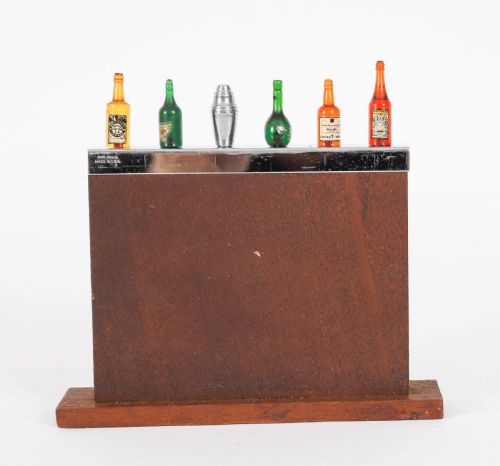
Makers utilised various durable materials to build functional barware, resulting in cocktail sets equipped with integral lemon squeezers or rolling mixer recipes. Designs range from plain cylindrical vessels to novelty creations shaped like roosters or miniature sets.
Origins span across England, France, Switzerland, Germany and Italy, reflecting a broad European enthusiasm for cocktail culture. The predominant style is Art Deco, though Italian Modernism and Mid-Century Modern variations also appear.
What varies in quality
The weight and gauge of the metal foundation dictate the structural rigidity of each shaker and how well the plating holds its lustre over decades of handling. Thicker silver plate and heavier metal construction denote superior manufacturing standards.
The precision of internal mechanisms, such as rolling recipe cylinders or fitted citrus squeezers, separates standard utility items from high-end workshop productions. Maker signatures from established silversmiths further distinguish notable pieces from anonymous production.
Some cocktail sets disguised their utility entirely, taking the cheeky form of novelty roosters and miniature bar accessories ready to pour.
J. B. Chatterley & Sons·James Dixon & Sons·Asprey & Co·William Suckling·Hukin & Heath·C S Green & Co·Gaskell & Chambers·Lutz & Weiss
The Retro Drink Shaker Glossary
- Electroplated Nickel Silver
- A method of depositing a layer of silver onto a nickel silver base metal. This process formed the durable foundation for many twentieth-century barware items.
- Bakelite
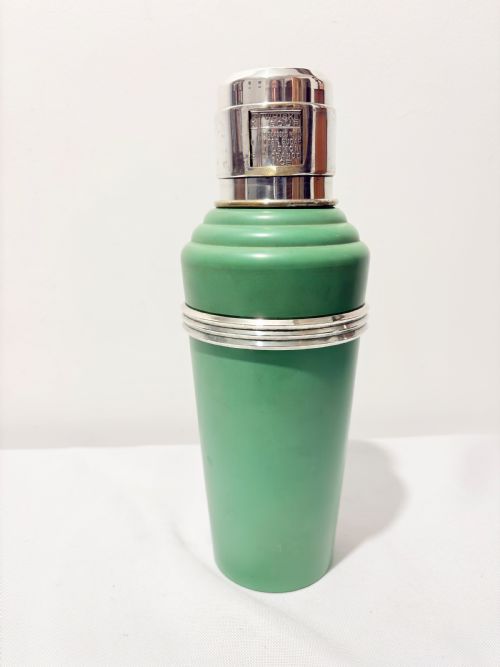
- An early form of plastic prized for its heat resistance and rich colour. It frequently appears in green on handles and fittings.
- Art Deco
- A design style characterised by sleek lines, geometric symmetry and modern materials. It dominates the aesthetic of twentieth-century cocktail equipment.
- Barware
- Utensils and vessels specifically designed for the preparation and service of alcoholic beverages. This category encompasses shakers, mixers and cocktail stick sets.
- Integral Squeezer
- A built-in citrus reamer fitted directly into the top section of the vessel. This mechanism allowed users to extract juice straight into the mixing chamber.
Retro Drink Shaker: Frequently Asked Questions
What materials are retro drink shakers made from?
These pieces incorporate silver plate, electroplated nickel silver, chrome and plain metal alongside glass bodies. Accents of cork, wood, plastic and green Bakelite appear on handles, stoppers and lids.
Manufacturers selected these materials to combine structural durability with appealing surface finishes suitable for public and domestic bar settings.
How do I date a vintage cocktail shaker?
Dating relies on stylistic markers such as geometric Art Deco forms, modernist curves, or distinct maker marks stamped into the metal base. Periods span from the 1920s through to the 1960s.
Specific design patents, rolling recipe cylinders and integral lemon squeezers also point towards manufacturing trends of the 1930s and 1940s.
Did these shakers serve any function beyond mixing?
Many examples feature built-in mechanical elements designed to streamline cocktail preparation. Some incorporate rolling recipe cylinders to display drink proportions directly on the metal body.
Others contain integral lemon squeezers within the lid assembly, allowing users to juice citrus fruits straight into the vessel before shaking.
Where were these barware pieces manufactured?
Production was widespread across Europe, with English silversmiths producing a large share of the surviving silver plated examples. French, German, Swiss and Italian workshops also contributed distinct regional designs.
European makers supplied local hospitality venues and private households with sophisticated cocktail equipment throughout the mid-twentieth century.