




Retro Bedside Light
A retro bedside light brings period character to a bedroom, combining functional illumination with distinct design from earlier decades.
Retro Bedside Light
When you search for a retro bedside light, you encounter table lamps spanning the Art Deco period, the 1920s, and the 1930s, alongside earlier Victorian and Edwardian examples. These items serve as functional bedside lighting while introducing strong historical aesthetics into a room.
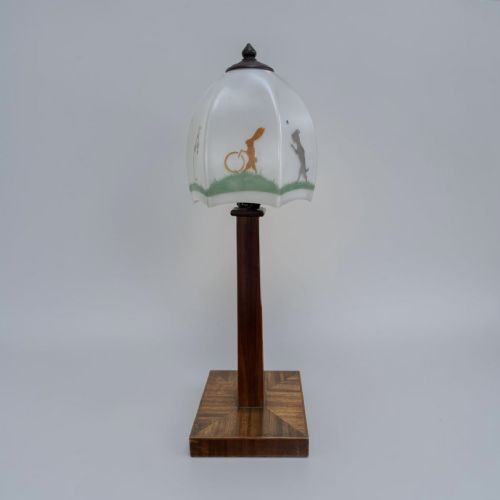
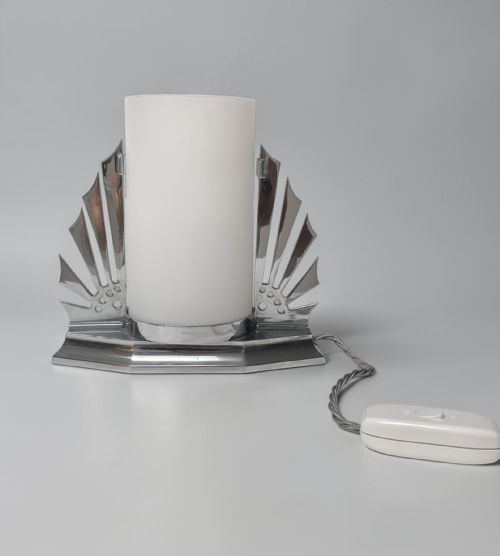
The selections on this page lean heavily towards Art Deco styling, featuring geometric forms, figural motifs, and modernist designs. Alongside these, you find traditional English and Edwardian converted oil lamps utilising brass and opaline glass.
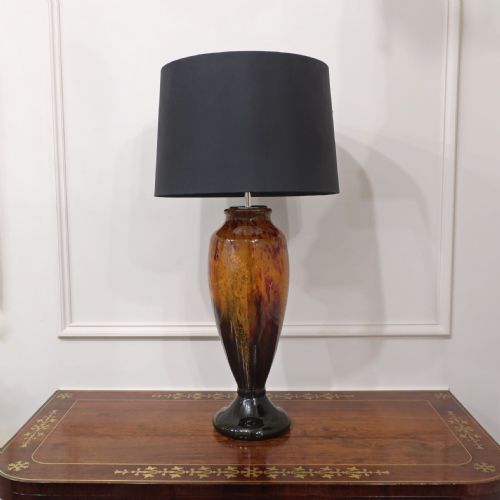
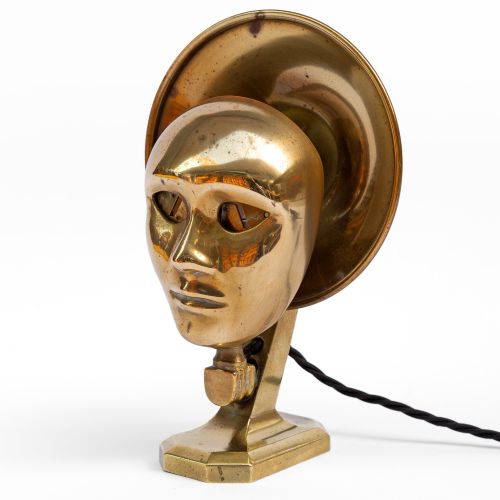
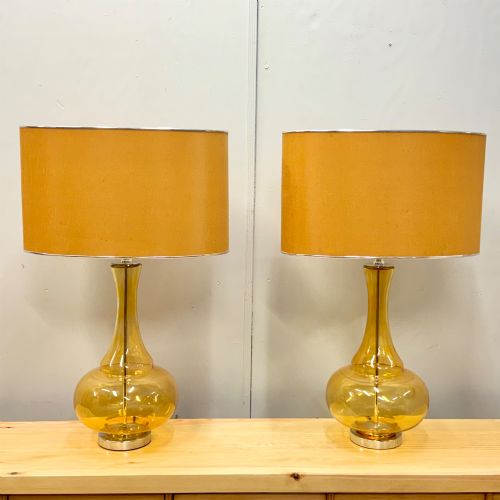
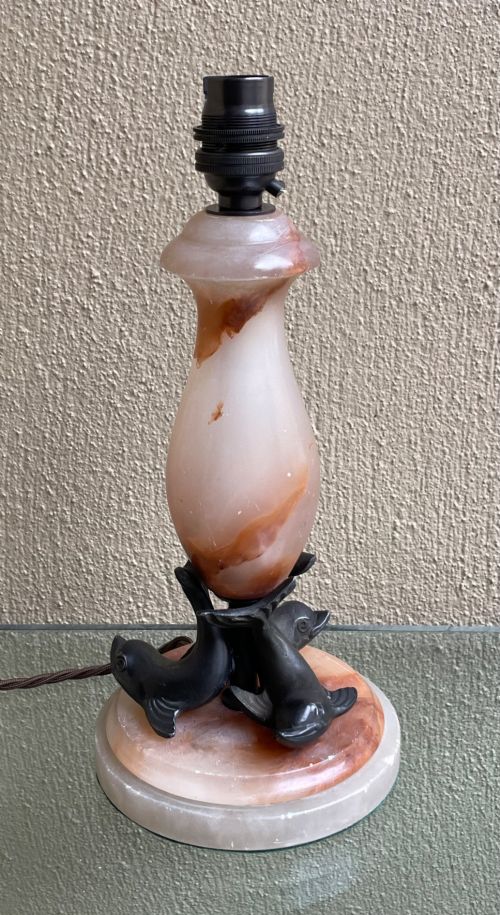
Table lamps form the entirety of the object types available in this category. They arrive in diverse configurations, from simple glass shades to elaborate sculptural bases depicting seagulls, dolphins, or lightning flashes.
What varies in quality
The caliber of a piece rests heavily upon the purity of its materials and the ambition of its design. Items incorporating signed glasswork or complex figural sculpture represent a more deliberate artistic effort than plain structural bases.
Completeness dictates the standing of an antique lighting fixture. Examples retaining their original shades, wiring components, and specialised elements like celluloid or Bakelite details hold greater integrity.
Materials recorded across the available inventory include glass, brass, fabric, chrome, opaline glass, fabric flex, and onyx.
Charles Schneider·Eileen Grey·Karl Palda·Denby Ware
The Retro Bedside Light Glossary
- Art Deco
- A design style characterised by sleek geometric shapes, stylised motifs, and modern industrial materials popular during the 1920s and 1930s. It dominates the aesthetic of the lamps seen in this selection.
- Opaline Glass
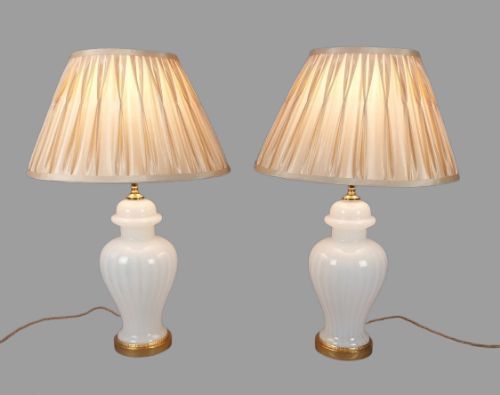
- A milky, semi-translucent glass that diffuses light softly, frequently utilised for shades and bodies in Edwardian and Art Deco lighting. It often appears in crisp white hues.
- Bakelite
- An early form of synthetic plastic prized for its durability and rich dark lustre, commonly employed for switches, bases, and body components during the interwar years.
- Faience
- Tin-glazed earthenware decorated with painted designs, providing vibrant colour and handcrafted detail to decorative lamp bases.
- Alabaster
- A fine-grained, translucent stone carved into sculptural forms, offering natural veining and a warm glow when illuminated.
Retro Bedside Light: Frequently Asked Questions
How do I identify an Art Deco bedside lamp?
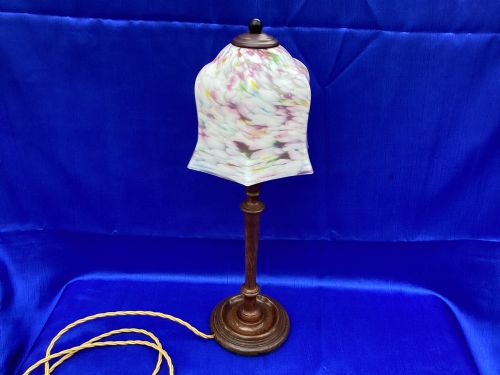
Art Deco bedside lamps display characteristic geometric lines, stepped forms, or stylised motifs typical of the 1920s and 1930s. Materials like chrome, Bakelite, and mottled glass frequently feature in their construction.
Look for distinctive silhouettes, such as zig-zag patterns or modernist double shades. These elements separate them clearly from earlier Victorian or Edwardian designs.
Are these lamps safe for modern electrical use?
Many antique lamps retain older wiring components that require inspection or replacement by a qualified professional before daily use. Rewiring ensures the piece meets current electrical safety standards.
Original fittings and fabric flexes add historical charm but should be checked for wear. Preservation of the outer shell remains intact while the internal mechanics are updated.
What materials were commonly used for these bases?
Bases incorporate a wide variety of materials ranging from polished brass and chrome to solid onyx and carved alabaster. Ceramic, faience, and early plastics like Bakelite and celluloid also appear frequently.
Each material dictates the weight and balance of the lamp. Stone and metal provide a heavy foundation, whereas glass and ceramics offer decorative translucency or colour.
How do I style a vintage bedside light?
A vintage lamp functions as a focal point on a bedside table, contrasting against modern interiors or complementing traditional bedroom furniture. The scale of the lamp should balance the proportions of the nightstand and headboard.
Pairing the piece with a compatible fabric shade softens the output for reading. The surrounding decor can echo the metal finish or glass tone of the base.