


Retro Accent Table
A retro accent table brings sharp geometric lines and metallic sheen to a room, offering a functional surface rooted in mid-century and art deco design.
Retro Accent Table
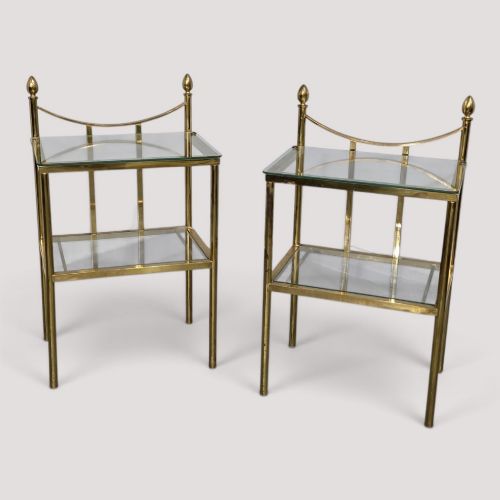
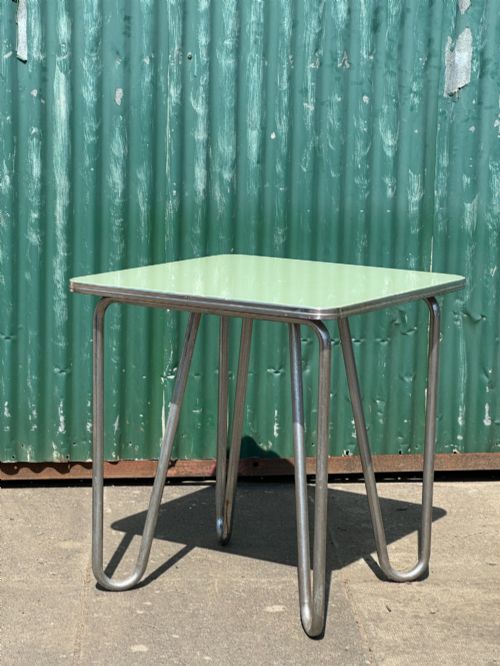
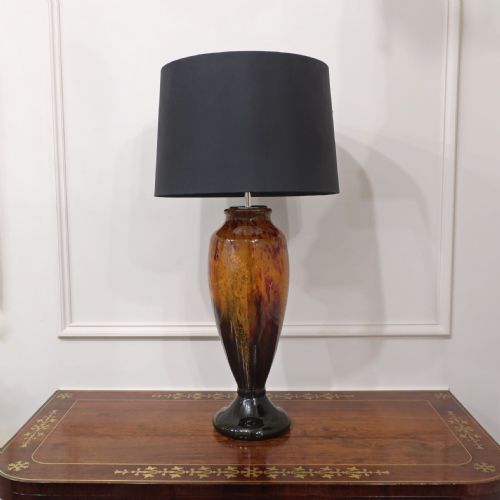
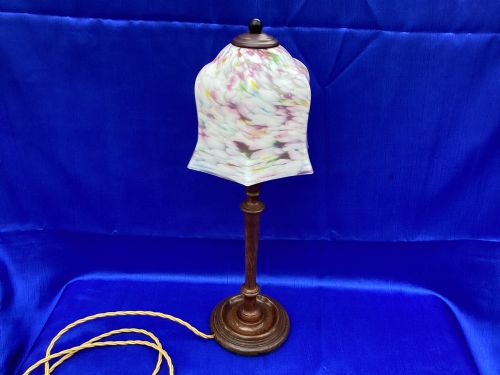
When you search for a retro accent table, you encounter pieces primarily from the nineteen-thirties, alongside select examples from the nineteen-twenties and nineteen-forties. These designs span functional side tables and occasional furniture, often combining surfaces with integrated lighting.
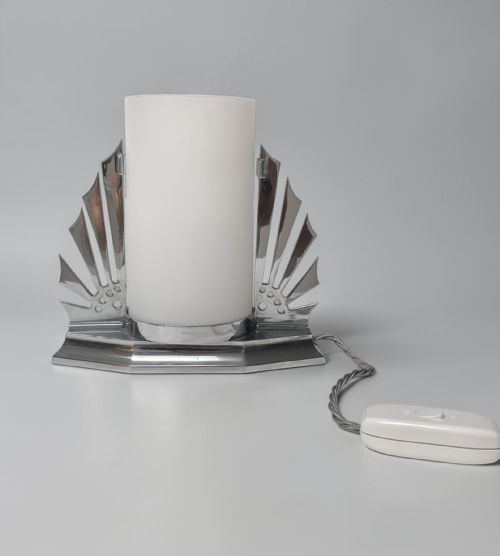
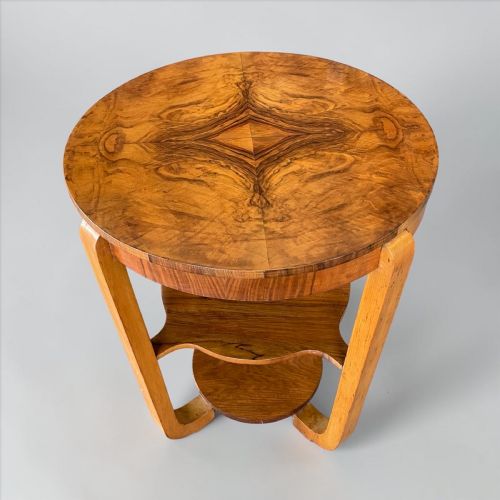
The objects listed combine utility and decorative presence, appearing in forms such as two-tier occasional tables and modernist chrome and glass structures. Walnut and maple woods feature alongside metal frameworks to create compact surfaces suited to living spaces.
How they were made
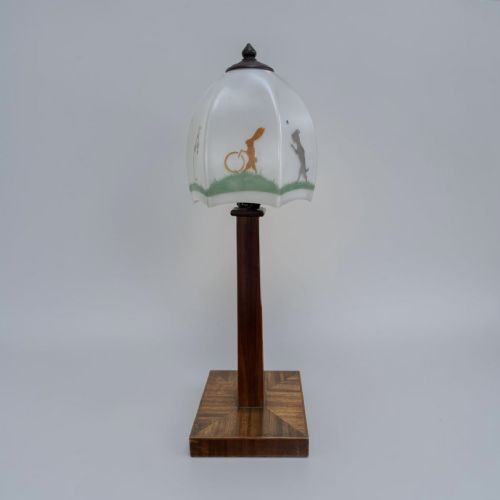
Cabinet makers and manufacturers utilised combinations of walnut, maple, oak, and mahogany for wooden framing and tier structures. These timbers provided sturdy foundations for occasional tables and lamp stands.
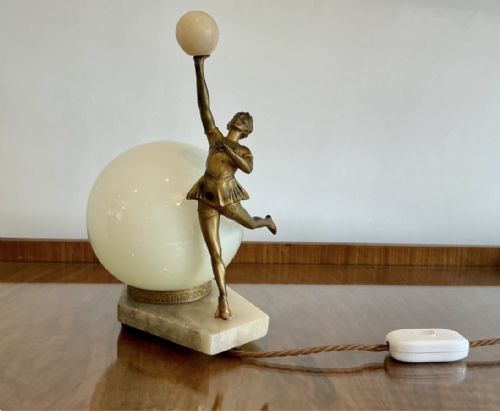
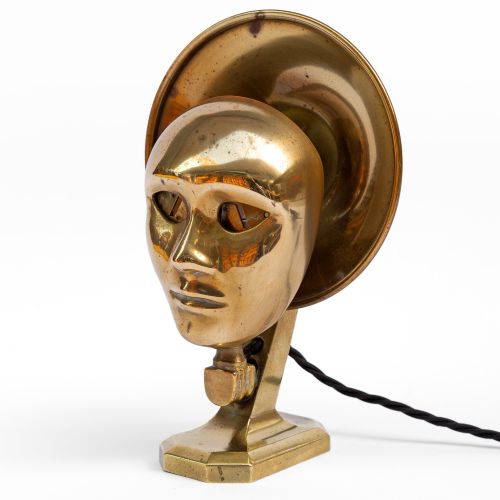
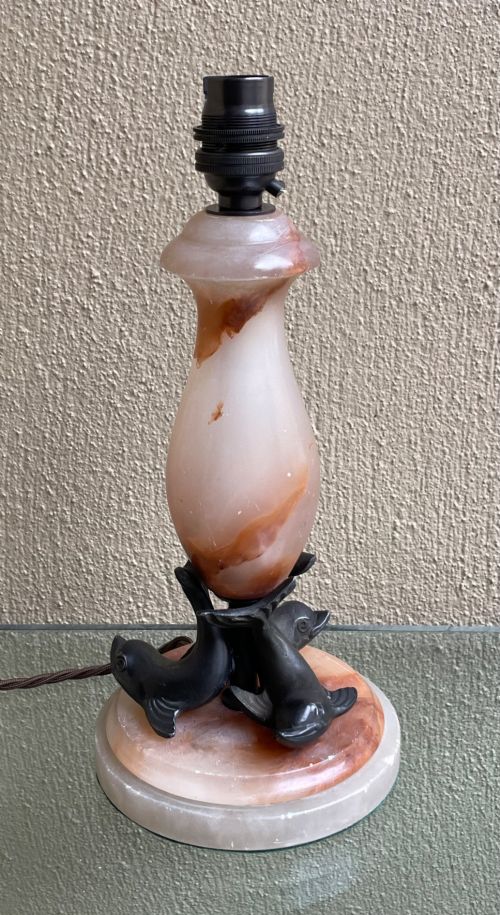
Metalwork involved brass, chrome, and bronze shaped into linear supports, geometric frames, and figurative mounts. Glass components, including mottled, frosted, and crystal elements, were paired with these metals alongside marble and alabaster bases.
Listings combine walnut, maple, oak, and mahogany with chrome, brass, glass, and marble across occasional and lamp tables.
What varies in quality
The calibre of a piece depends on the cohesion of its materials and the precision of its manufacture. Finer examples integrate glass, chrome, and timber with deliberate structural harmony rather than standard assembly.
Subtlety in stylistic detail distinguishes superior items from simpler production. Works attributed to specific designers or notable manufacturers display higher refinement in metal shaping and glass treatment.
Oliver Percy Bernard·Charles Schneider·Karl Palda
The Retro Accent Table Glossary
- Occasional table
- A small, movable table designed for specific, intermittent use rather than primary dining or desk work. These pieces function easily beside seating areas.
- Two-tier
- A furniture design featuring a primary upper surface and a secondary lower shelf for storage or display. This configuration maximises surface area in compact footprints.
- Art Deco
- A design style characterised by sleek geometric shapes, streamlined forms, and industrial materials popular during the interwar period. It influences much of the metal and glass work seen here.
- Chrome
- Electroplated chromium over metal, providing a bright, corrosion-resistant finish favoured in modernist design. It gives surfaces a characteristic reflective sheen.
- Alabaster
- A fine-grained, translucent stone used for sculptural lamp bases and decorative objects. Its natural veining diffuses light softly.
Retro Accent Table: Frequently Asked Questions
What is a retro accent table?
A retro accent table is a small occasional or side table from periods like the nineteen-thirties, often incorporating materials such as chrome, glass, and walnut.
These pieces serve both a practical surface function and a decorative role in interior spaces, frequently appearing alongside period lighting.
How were these tables used?
Such tables were placed beside seating to hold lamps, decorative objects, or everyday items within easy reach. Their compact size made them adaptable for various rooms.
Two-tier versions provided additional lower shelving for small books or ornaments, keeping the main surface clear.
How do I tell periods apart?
Nineteenth-century examples tend to rely on bronze and opaline glass with traditional motifs, whereas nineteen-twenties pieces introduce early modernist silhouettes.
Nineteen-thirties items frequently display streamlined chrome, geometric symmetry, and contrasting wood veneers like walnut and maple.