

Regency Art Painting
Regency art painting brings together expressive oil works and delicate watercolours that capture the distinct character of the early nineteenth century.
Regency Art Painting
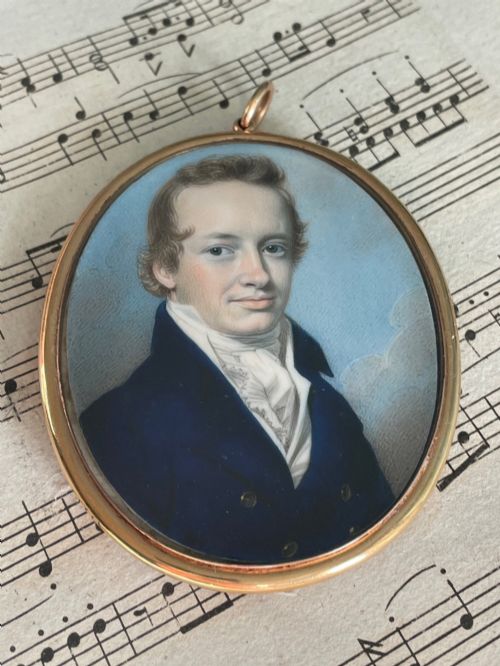
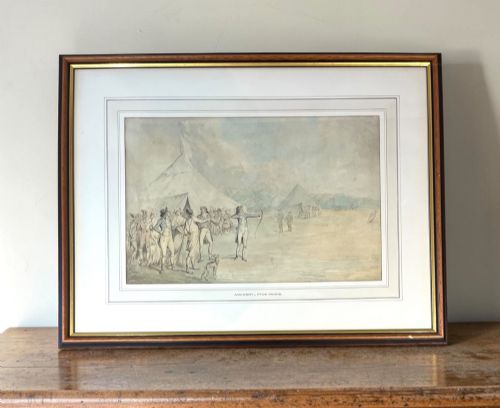
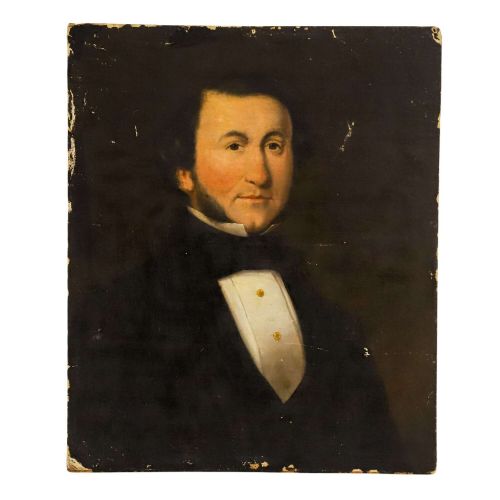
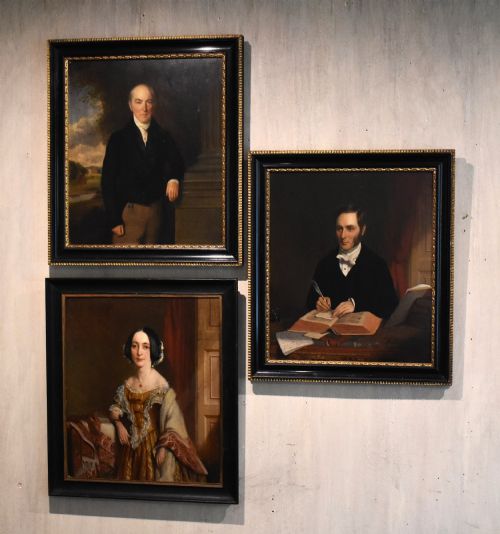
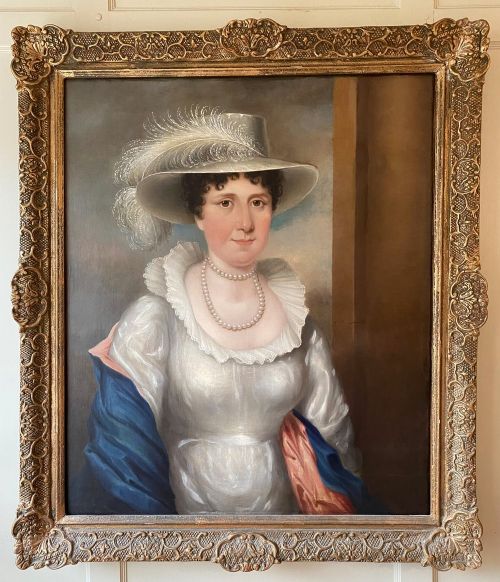
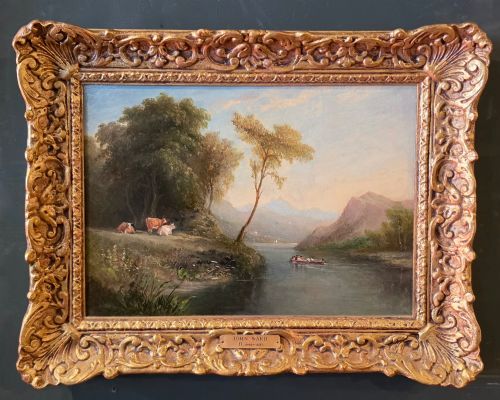
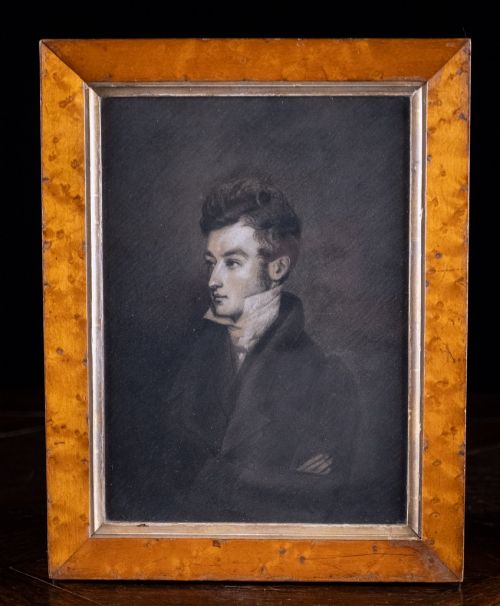
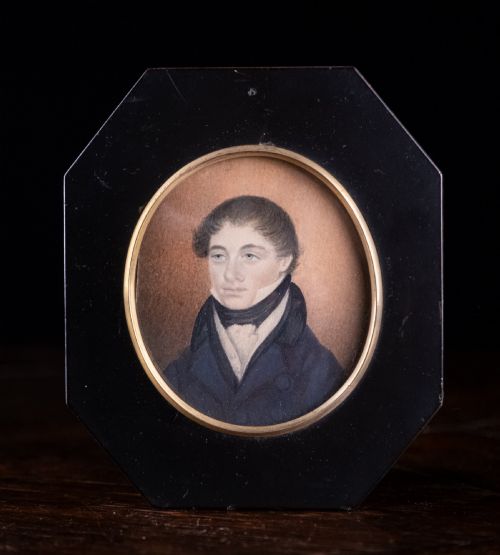
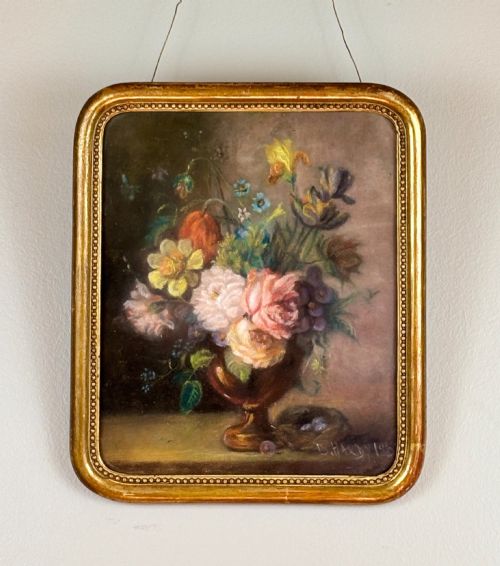
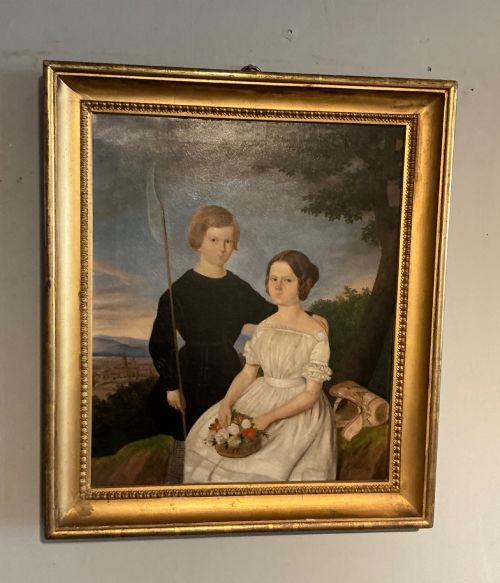
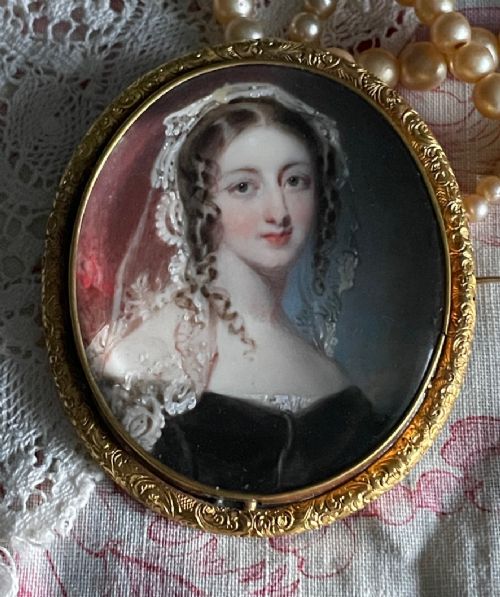
When searching for regency art painting, buyers encounter a diverse selection of portrait miniatures, oil on canvas works, and botanical watercolours originating primarily from the nineteenth, eighteenth, and early nineteenth centuries. These pieces reflect the prevailing aesthetic of the Regency and Georgian eras, encompassing neoclassical influences as well as British genre painting.
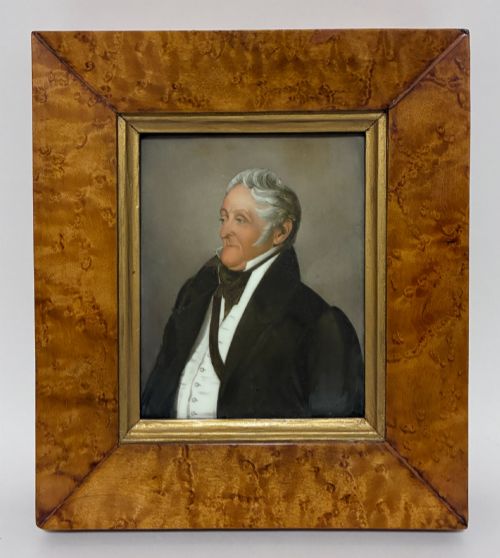
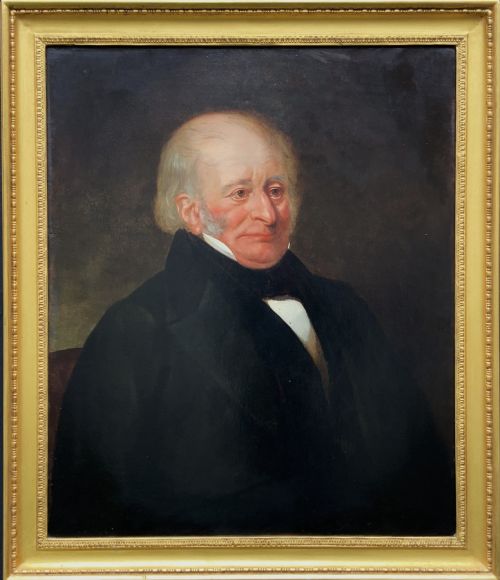
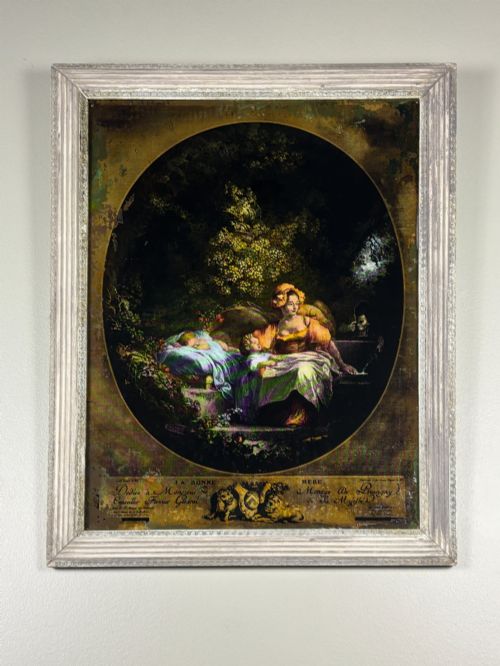
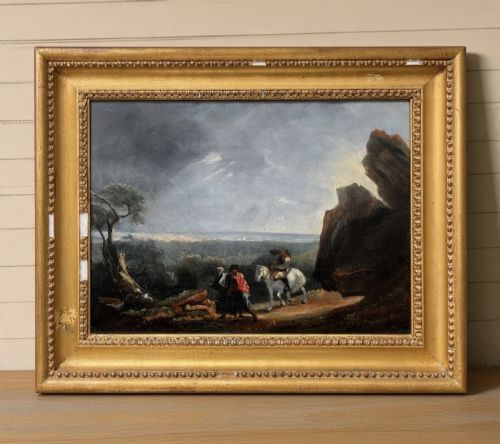
The most common examples on this page are individual and group portraits executed in oil paint or watercolour, often housed in period frames of giltwood. Alongside formal likenesses, works include classical scenes, still lifes of fruit, and botanical studies on paper.
Originating largely from British schools and named artists working within the Regency period and adjacent decades, these items offer a direct visual link to the portraiture and pastoral interests of the early eighteen hundreds.
Materials and techniques
Artists of this period utilised oil paint on canvas and wood panels, alongside delicate watercolours on paper and enamel surfaces for miniature portraits. The application of pigment requires careful handling, particularly on paper and fragile porcelain plaques.
Framing forms an integral part of the physical object, with giltwood and gold-plated oval frames providing both protection and aesthetic complement to the paintings within.
Regency Art Painting Retail Price Guide 2026
Typical asking prices for regency art painting among the pieces listed under this phrase on Sellingantiques today, from the lower quarter to the upper quarter. They describe what is for sale here now, not the wider market.
Listings feature works spanning the 18th Century, Regency, and Victorian periods, executed in oil on canvas, watercolour, and enamel.
Assessing quality and execution
The condition of the original support, whether canvas, paper, or porcelain, influences the integrity of the piece, alongside the preservation of period elements such as giltwood frames.
William Wood·Frederick Buck·James Sharples·John Opie·Horace Hone
The Regency Art Painting Glossary
- Portrait miniature
- A small-scale painting, often executed on paper, ivory, or enamel, popular for capturing intimate likenesses during the Georgian and Regency periods.
- Giltwood
- Wood carved and covered with a thin layer of gold leaf or gilt gesso, frequently used for framing nineteenth-century paintings.
- Neoclassical
- A style of art and architecture drawing on the classical art and culture of ancient Greece and Rome, evident in many Regency compositions.
- Watercolour
- A painting method in which the paints are made of pigments suspended in a water-based solution, widely utilised for botanical studies and portable portraits.
Regency Art Painting: Frequently Asked Questions
How do I identify a Regency oil painting?
Regency oil paintings typically exhibit the distinctive portrait styles, clothing fashions, and colour palettes characteristic of the early nineteenth century. Examining the canvas preparation, stretcher frames, and pigment types helps confirm the period.
Many works feature subjects in Regency attire, accompanied by neoclassical framing or provenance pointing to British schools of the era.
How should I display watercolour paintings?
Watercolour paintings require protection from direct sunlight to prevent the fading of delicate pigments on paper. Framing under UV-filtering glass ensures longevity.
Keeping them in rooms with stable humidity levels protects both the paper support and the period frames.
What subjects are common in this period?
Portraiture dominates the output of this era, ranging from military officers and scholars to children and society figures. Botanical studies and classical scenes also appear frequently.
Artists captured both formal commissioned likenesses and intimate domestic studies reflecting contemporary tastes.