



Red Velvet Lounge Chair
A red velvet lounge chair brings rich texture and traditional comfort to a room, spanning Victorian, Edwardian and later periods.
Red Velvet Lounge Chair
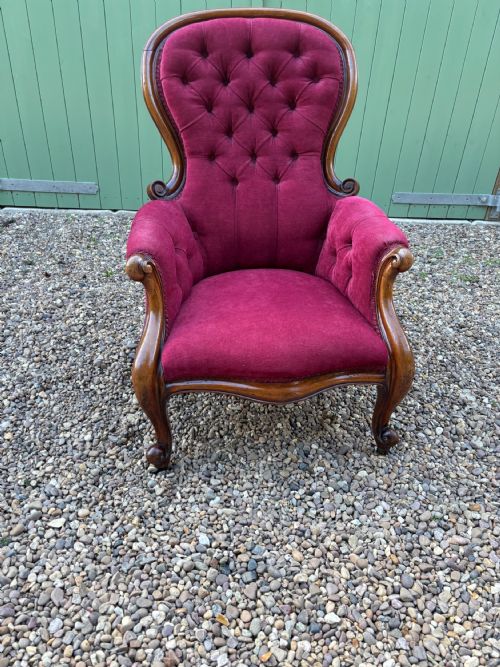
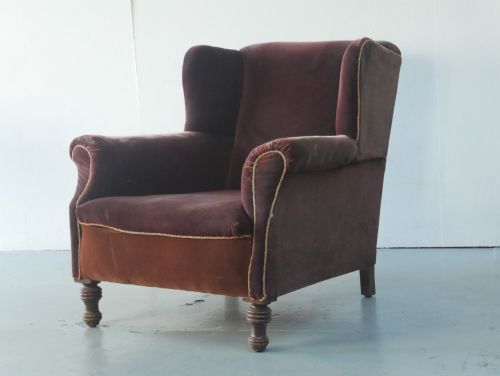
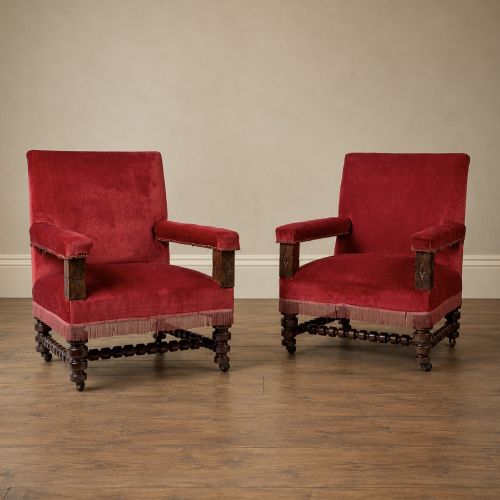
When searching for a red velvet lounge chair, buyers encounter a diverse selection of seating including Victorian gentleman's armchairs, Edwardian occasional chairs, and substantial wing back designs. The offerings span periods from the nineteenth century through the 1930s, reflecting shifts in domestic comfort and reception room seating. Oak, mahogany, and walnut frames provide the structural support for deep pile fabrics and damask upholstery.
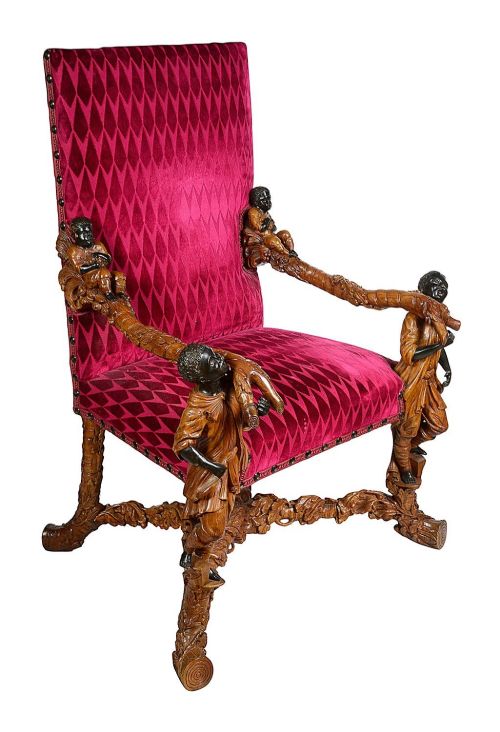
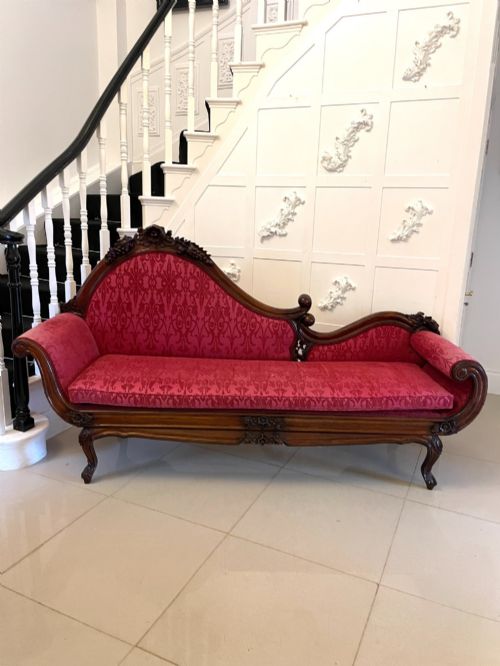
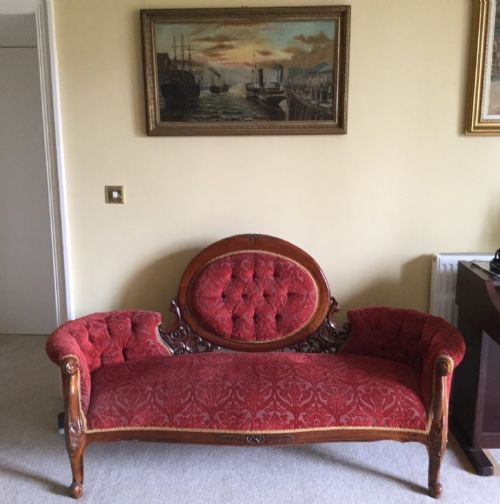
The Victorian pieces on this page range from carved mahogany chaise longues to oversized oak armchairs upholstered in red velvet. Edwardian examples introduce brass elements and lighter frames, such as rocking chairs and parlour seats. Buyers frequently meet armchairs and fireside chairs that combine wood frames with plush textile finishes.
Materials and construction
Frames are constructed from hardwoods such as mahogany, oak, and walnut, providing durable skeletons for heavy upholstery. Carved details appear on nineteenth-century and revival pieces, utilising the grain and strength of these timbers.
Upholstery involves fabric choices like velvet, damask, and brocade, paired with sprung settees and armchair bases. Brass components also feature in specific Edwardian variants, adding metallic contrast to wooden frames.
Red Velvet Lounge Chair Retail Price Guide 2026
Typical asking prices for red velvet lounge chair among the pieces listed under this phrase on Sellingantiques today, from the lower quarter to the upper quarter. They describe what is for sale here now, not the wider market.
A Black Forest folding chair from the nineteenth century brings carved forest imagery directly into the parlour.
Quality variations in the range
The standard of a piece rests upon the execution of its wooden frame and the integrity of its upholstery. Carved ornamentation on mahogany or oak shows varying degrees of hand skill by the maker.
Upholstery condition and re-upholstery choices influence the presentation of the velvet or brocade surface. Frame stability and the preservation of original timber properties set different tiers within the collection.
HOWARD AND SONS
The Red Velvet Lounge Chair Glossary
- Velvet
- A woven tufted fabric in which the cut threads are evenly distributed, giving a short dense pile. This material defines the tactile surface of these lounge chairs.
- Chaise Longue
- An upholstered sofa in the shape of a chair with a long seat suited for reclining. Examples feature carved mahogany frames from the Victorian era.
- Wing Armchair
- An armchair with side panels attached to the back of the chair, designed to shelter from drafts. These pieces appear across 19th-century and 1930s listings.
- Bergere
- A type of enclosed upholstered armchair with wooden framing where the sides are filled with cane or upholstery. Oak framed fireside chairs utilise this form.
- Giltwood
- Wood that has been treated with gold leaf or gilt paint for decorative effect. This finish surfaces on specific 19th-century armchairs.
Red Velvet Lounge Chair: Frequently Asked Questions
How do I clean a velvet armchair?
Velvet upholstery requires gentle brushing to maintain the pile and remove surface dust without crushing the fibres. Professional cleaning is recommended for deeper marks or spills on antique fabric.
Avoid using excessive water or standard household detergents, as moisture can damage the underlying wood frame and warp the textile weave.
Are these chairs suitable for daily seating?
Most pieces are built with robust timber frames like oak and mahogany, designed for traditional domestic use. Sprung bases provide the support needed for regular sitting.
Checking the stability of the joints ensures the chair can handle daily weight and movement in a modern living space.
How do I date a Victorian armchair?
Victorian seating often displays characteristic wood carving styles, heavier proportions, and specific upholstery techniques associated with the mid to late nineteenth century. Mahogany and walnut were dominant choices during this reign.
Comparing the frame design with documented revival styles helps narrow down the production decade between 1860 and 1900.
What is the difference between a wing chair and a club chair?
Wing chairs feature protective side panels on the upper back designed to catch heat from fires and block drafts. They typically have taller backs and exposed wooden legs.
Club chairs generally offer lower, more rounded backs with deep cushioning, focusing on relaxed lounging rather than upright fireside support.