




Rectangular Oak Table
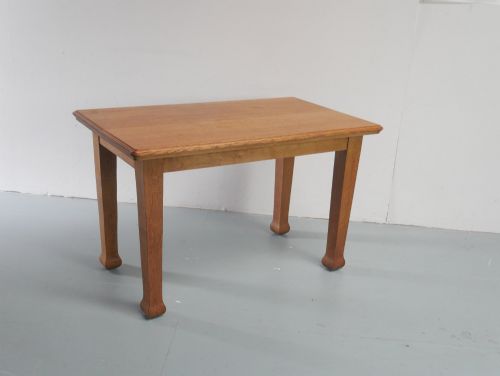
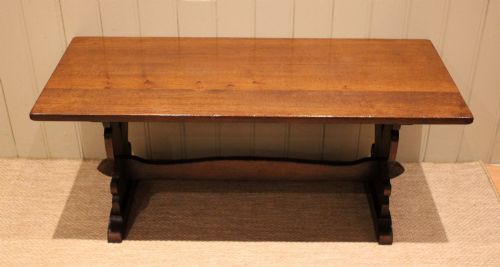
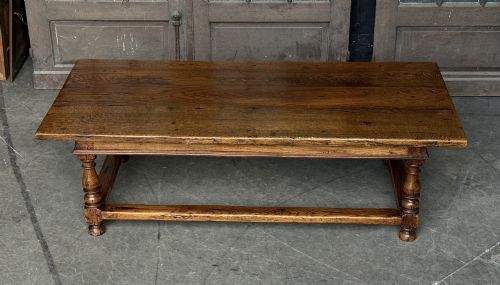
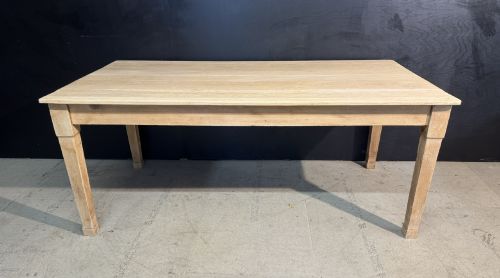
A rectangular oak table anchors a room with timber grain and honest joinery, spanning formats from compact occasional pieces to large dining surfaces.
Rectangular Oak Table
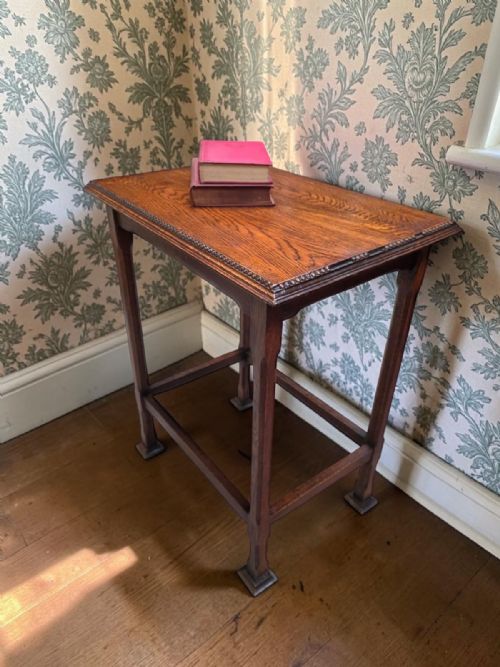
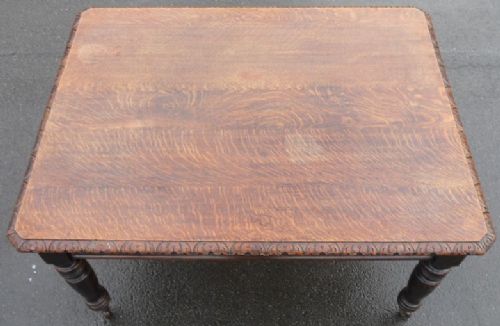
A rectangular oak table brings utilitarian strength and domestic warmth into daily use. When searching for a rectangular oak table, buyers encounter formats ranging from dining and kitchen surfaces to compact occasional, side, and centre pieces.
The material runs through multiple eras, appearing in vernacular English country designs, heavy Victorian carved iterations, and streamlined Art Deco or Mid-Century Modern forms. Oak provides a robust foundation that endures decades of heavy use.
Examples span the eighteenth century through to the interwar decades of the twentieth century. Buyers most frequently meet nineteenth-century and early twentieth-century expressions featuring solid timber, pollard oak veneers, or inset tiled tops.
How they were made
Secondary materials emerge in specialised forms, such as ceramic tiles set into table surfaces, glass panels, or fabric upholstery on related stools and seating. Construction relies on traditional joinery methods suited to heavy hardwoods to ensure structural stability across generations.
Rectangular Oak Table Retail Price Guide 2026
Typical asking prices for rectangular oak table among the pieces listed under this phrase on Sellingantiques today, from the lower quarter to the upper quarter. They describe what is for sale here now, not the wider market.
Materials recorded across the tables include solid oak, pollard oak, burr timber, yew wood, cast iron, ceramic tiles, and glass.
What varies in quality
The distinction between ordinary and exceptional work rests on timber selection and grain figuring. Superior examples utilise carefully matched pollard or burr oak veneers, while simpler pieces employ plain, utility-grade timber.
Carving depth and execution differentiate standard production from high-craft workshop output. Integrated details, such as inset ceramic tiles or cast iron framing, elevate the design execution beyond basic domestic furniture.
James Winter and Sons
The Rectangular Oak Table Glossary
- Pollard oak
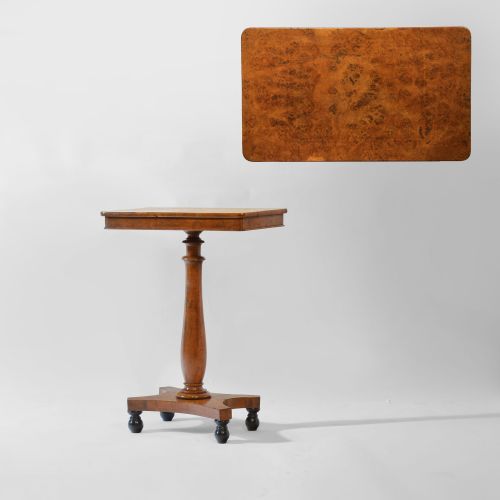
- Timber taken from a tree that has been pruned close to the trunk to encourage dense, highly figured branch growth. This creates swirling patterns highly prized in nineteenth-century centre tables.
- Occasional table
- A small movable table designed for specific, intermittent tasks rather than permanent dining or writing. These appear frequently in Edwardian and interwar contexts.
- Bistro table
- A small café-style table typically combining a durable wooden top with a heavy metal or cast iron base. French examples often feature industrial framing.
- Tripod table
- A small freestanding table supported by a central pillar above three splayed legs. This format provides stable footing on uneven floors.
- Centre table
- A freestanding table designed to be viewed from all sides and placed in the middle of a room rather than against a wall. These often display the finest timber veneers of their period.
Rectangular Oak Table: Frequently Asked Questions
How do I clean an antique oak table?
Dust regularly with a soft, dry cloth to prevent particulate buildup on the timber surface. Avoid harsh chemical sprays that strip historic finishes.
Apply natural beeswax periodically to nourish the grain and maintain a soft protective sheen. Keep the timber away from direct heat sources and strong sunlight to prevent warping.
Can I use an occasional table for dining?
Occasional tables are built for lighter tasks and typically lack the height, legroom, and structural reinforcement required for comfortable meal times. Using them for heavy daily dining places undue strain on smaller joints.
Reserve these compact pieces for holding books, drinks, or decorative objects. Look to dedicated dining and kitchen formats when seeking a surface for eating.
How do I date an oak table?
Examine the construction methods, tool marks, and overall proportions to determine the likely era of manufacture. Georgian and Victorian pieces often show hand-planed surfaces and traditional joinery.
Cross-reference the hardware, styling cues such as Art Deco geometric lines or Victorian carving, and secondary woods. Period characteristics help narrow down the decade of production.
Where should I place a centre table?
A centre table requires open floor space so it can be approached from all sides without obstructing traffic flow. Placing one in the middle of a principal room highlights its decorative figuring and finish.
Ensure surrounding furniture allows enough clearance for comfortable movement. These pieces work well beneath hanging lighting fixtures that cast downward illumination across the timber top.