





Prism Ceiling Fixture
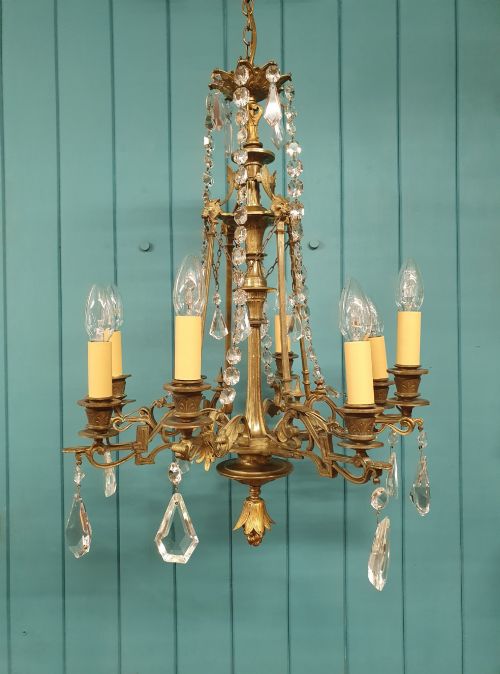
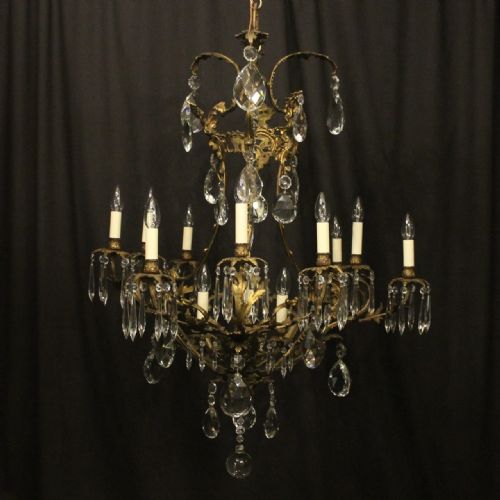
These prism ceiling fixture designs combine brass frames with cut glass and crystal drops to illuminate rooms with genuine period character.
Prism Ceiling Fixture
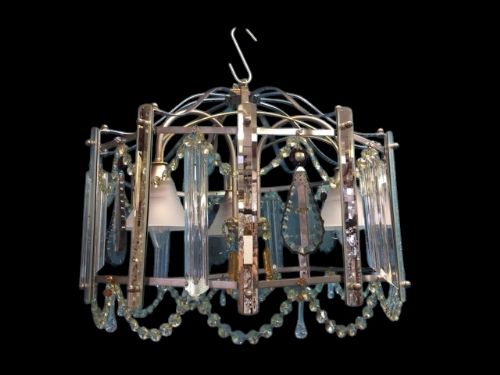
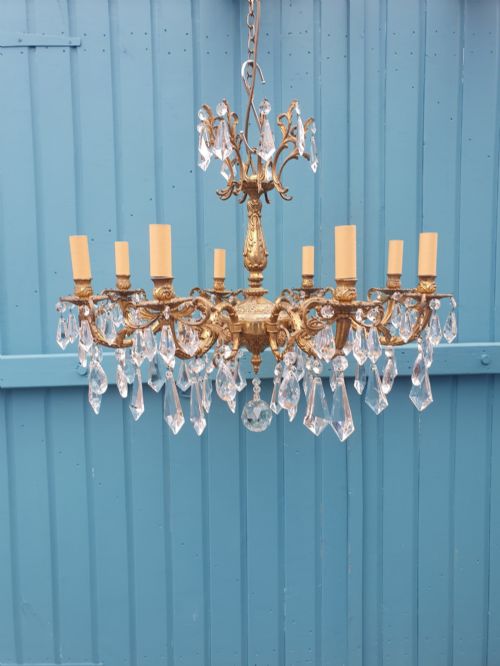
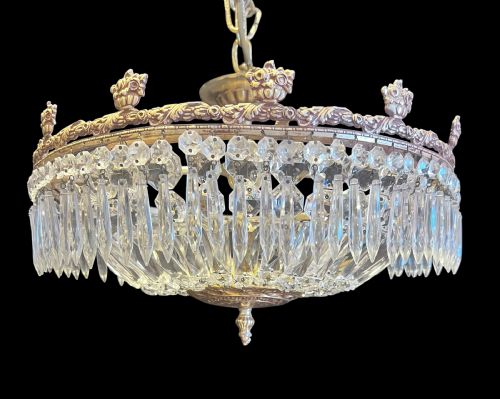
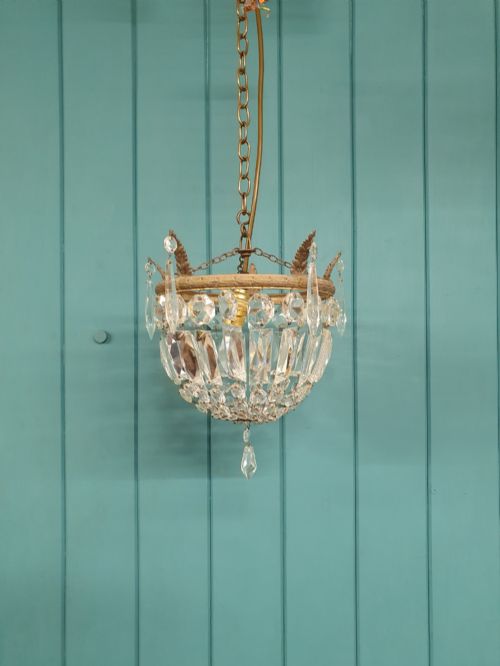
A prism ceiling fixture brings together historical lighting forms like chandeliers, pendant lights, and plafonieres. These pieces originate from periods spanning the nineteenth century through the 1930s, encompassing Edwardian, Art Deco, and French stylistic influences.
Such fixtures serve as primary or secondary light sources in hallways, reception rooms, and dining spaces. They deliver both functional illumination and the decorative sparkle characteristic of period cut glass.
How They Were Made
Maker workshops constructed the primary structural frameworks using cast and spun brass, gilt brass, and gilded bronze. These metal mounts often incorporated decorative details such as lion masks or cage frames to support the glass elements.
Lighting artisans suspended cut glass, lead crystal, and coffin prisms from the metal frames using wire loops or pins. The optical effects rely on precision cutting within the crystal drops to refract light across the room.
Prism Ceiling Fixture Retail Price Guide 2026
Typical asking prices for prism ceiling fixture among the pieces listed under this phrase on Sellingantiques today, from the lower quarter to the upper quarter. They describe what is for sale here now, not the wider market.
What Varies in Quality
The sophistication of the metalwork and the weight of the frame set superior examples apart from simpler production. Heavier cast bronze or gilt brass structures with detailed ornamentation indicate higher standards of manufacture.
The quality of the glass and crystal components drives the overall distinction of the fixture. Deeply cut crystal prisms with sharp facets create clearer light refraction than moulded glass alternatives.
The Prism Ceiling Fixture Glossary
- Prism
- A cut glass or crystal pendant designed to refract light. These hang from the frame in various shapes including coffin forms.
- Plafoniere
- A ceiling light fixture mounted flush or very close to the ceiling surface. These often feature a glass shade or bowl held by a metal mount.
- Tent and waterfall
- A style of chandelier construction where strings of beads form a tent shape above a wider cascading tier of glass drops.
- Gilt brass
- A brass base metal treated with a thin layer of gold or gold-coloured finish. This treatment provides a bright, reflective surface similar to gilt bronze.
Prism Ceiling Fixture: Frequently Asked Questions
How do I clean a crystal chandelier?
Maintenance involves wiping individual glass drops and prisms with a mild cleaning solution while they remain attached to the frame. Careful handling prevents damage to the delicate wiring and aged metal mounts.
Taking down heavier pieces for a thorough wash requires noting the arrangement of the swags and drops before disassembly. Proper reassembly ensures the prisms hang correctly to maintain their optical sparkle.
What rooms suit a prism ceiling fixture?
Smaller lustre or swag fixtures work well in entrance halls, bedrooms, and low-ceilinged landings where space is restricted. Their proportions provide adequate illumination without overwhelming the room scale.
Larger multi-arm chandeliers and tent designs fit reception rooms and dining spaces with higher ceilings. These larger fixtures act as central focal points that require ample clearance below.
How do I date a chandelier?
Dating relies on examining the mounting techniques, wiring types, and stylistic indicators such as Art Deco geometric lines or Edwardian swag arrangements. Metal casting methods also help place the piece within the nineteenth century or early twentieth century.
Comparing the cut of the glass drops to known period patterns offers further chronological clues. Gradual shifts in manufacturing standards distinguish earlier bronze work from later twentieth-century production.
Can I replace missing prisms?
Sourcing replacement crystals that match the age, cut, and size of the originals maintains the visual balance of the fixture. Salvaged antique prisms fit older brass and bronze frames more convincingly than modern machine-cut glass.
Matching the attachment method ensures the new drops hang at the correct angle alongside surviving elements. Consistency in glass clarity and facet style keeps the light refraction uniform.