


Primitive Wooden Furniture
These pieces of primitive wooden furniture represent honest, utilitarian craft shaped by regional necessity across the eighteenth and nineteenth centuries.
Primitive Wooden Furniture
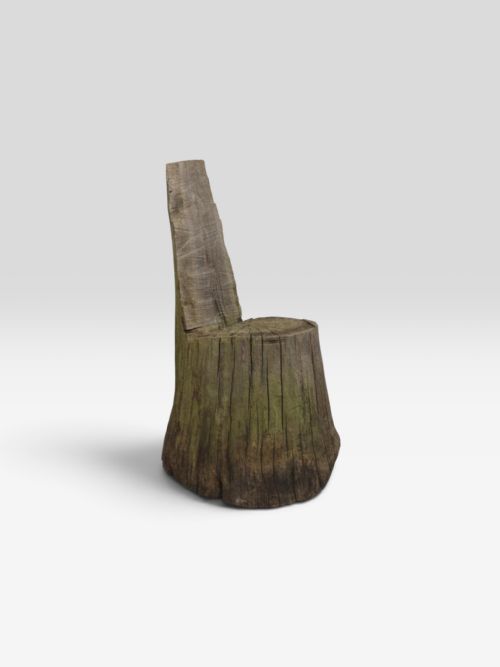
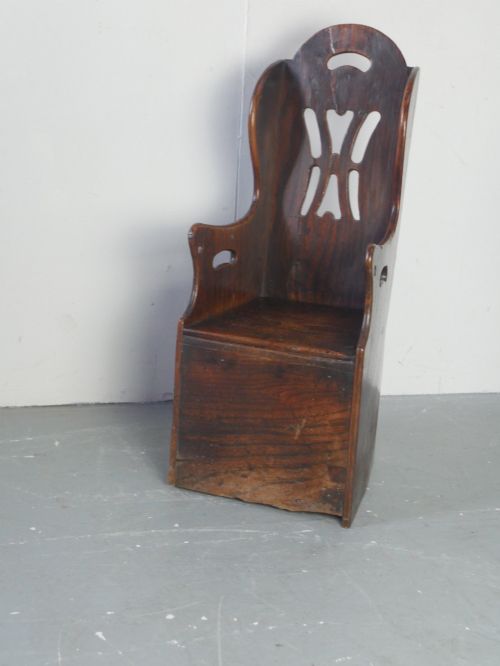
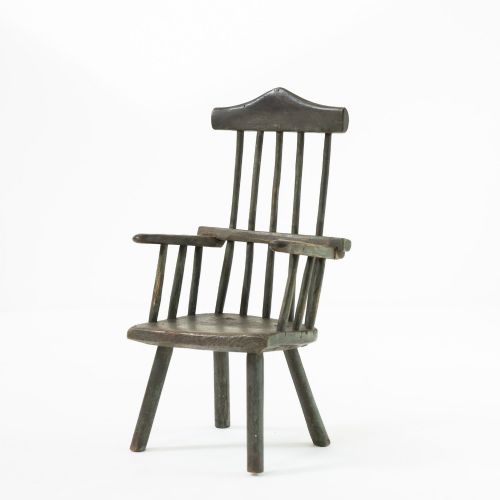
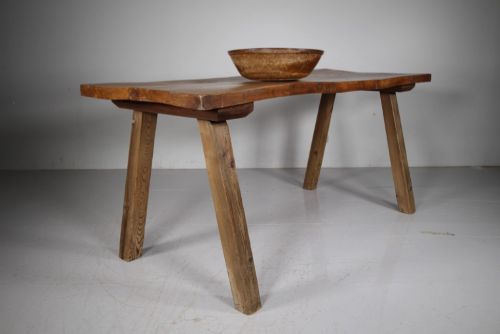
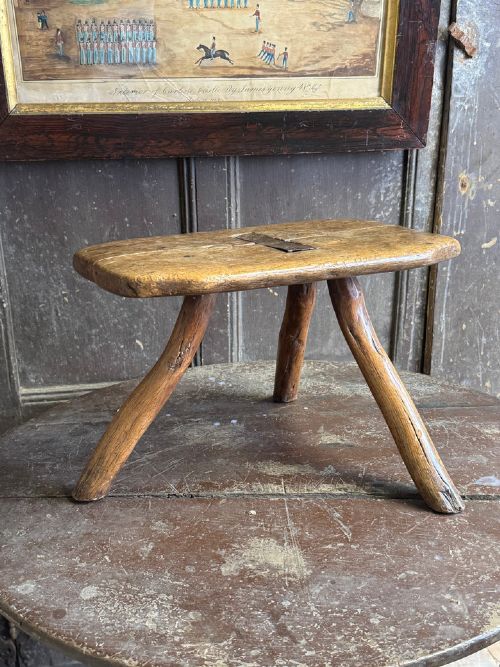
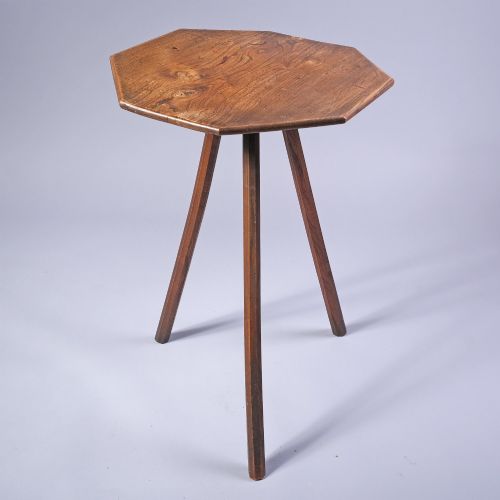
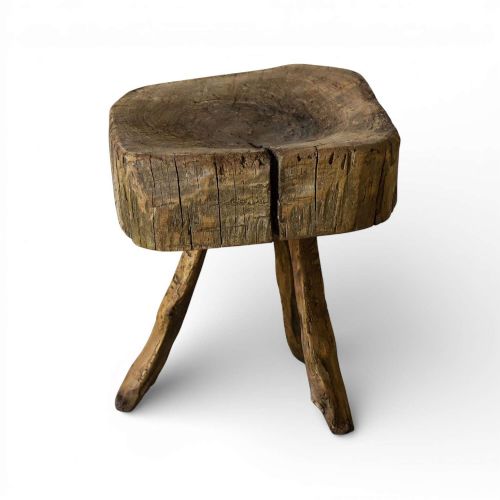
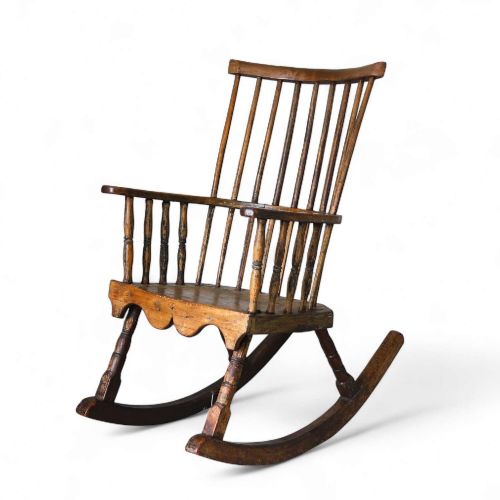
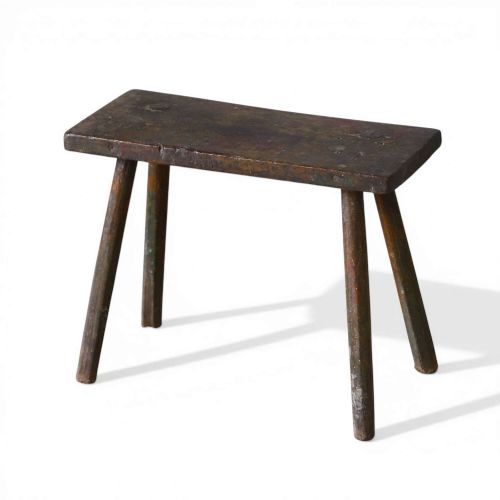
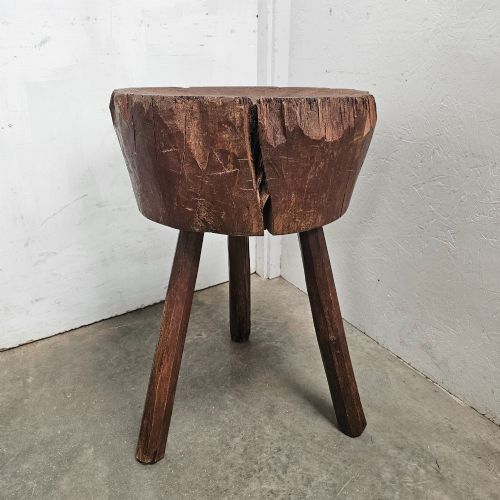
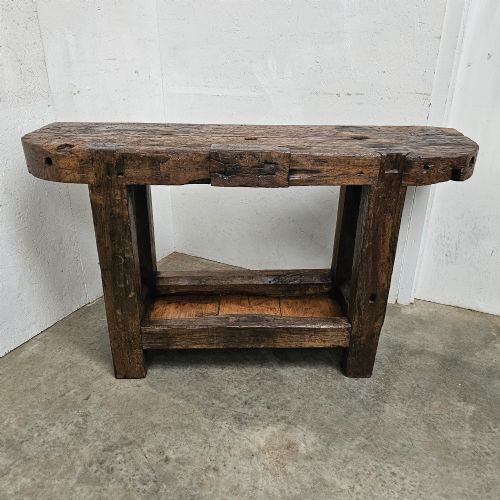
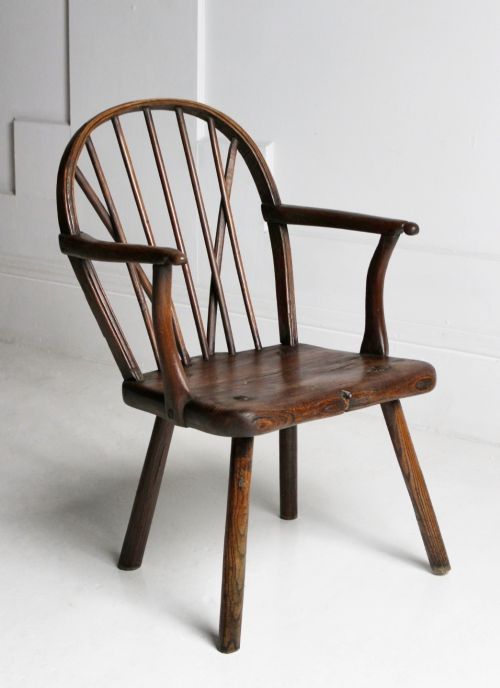
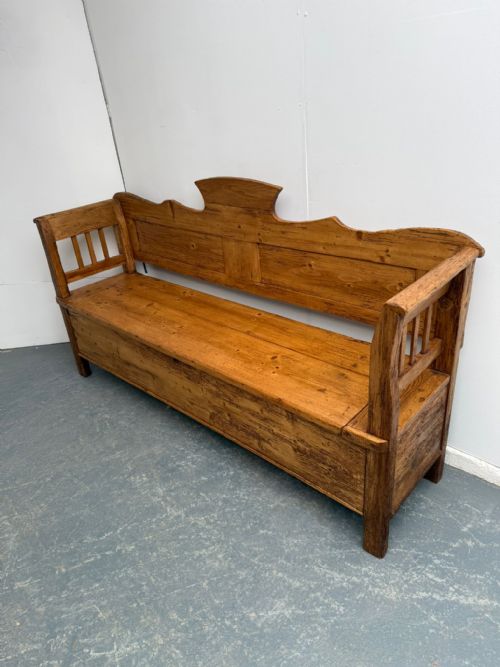
When searching for primitive wooden furniture, collectors encounter practical domestic and working items built by local joiners rather than urban workshops. The selection here leans heavily towards seating and tables, including Windsor chairs, stools, benches, and work blocks from the eighteenth and nineteenth centuries.
Originating across Britain, France, Scandinavia, and Eastern Europe, these items display distinct regional styles such as Welsh vernacular and rustic farmhouse. Forms range from children's chairs and settles to large dining tables and workbenches, each reflecting the specific demands of rural life.
The aesthetic relies entirely on utility, resulting in unpretentious forms that prioritize function over academic design rules. Surviving examples demonstrate how everyday objects were adapted for rural households, sculleries, and workshops.
Materials and Construction
Makers utilised available local timbers such as oak, elm, ash, pine, and fruitwoods, frequently combining multiple woods within a single piece depending on structural needs. Seat planking typically employs dense elm or dug-out pine, while spindles and legs rely on tough ash or yew.
Construction techniques centre on unadorned joinery, including wedged tenons, splayed legs fixed with hedgerow repairs, and blacksmith-made iron hinges and locks. Surfaces often retain traces of early paint finishes, scumble, or natural wax developed through generations of handling.
Listings span the 18th century through the Edwardian period, featuring oak, elm, ash, and pine across Welsh, Scandinavian, and French vernacular styles.
Assessing Quality and Character
Quality in these pieces rests upon the integrity of the original construction, the weathering of the timber, and the honesty of any structural repairs. Retaining original surfaces like early green paint or untouched wax elevates a piece above standard utility grades.
Proportion and sculptural presence distinguish exceptional vernacular items from ordinary workshop output. A well-balanced comb-back armchair or an unusually formed settle demonstrates a maker's innate eye for line within strict functional boundaries.
The Primitive Wooden Furniture Glossary
- Vernacular
- Domestic architecture or furniture built by local craftsmen using traditional methods and regional materials without academic architectural influence.
- Comb-back
- A Windsor chair variation where the vertical spindles extend through a high horizontal top rail, resembling the teeth of a comb.
- Scumble
- A translucent layer of paint applied over a base coat to simulate wood grain or create a mottled decorative surface.
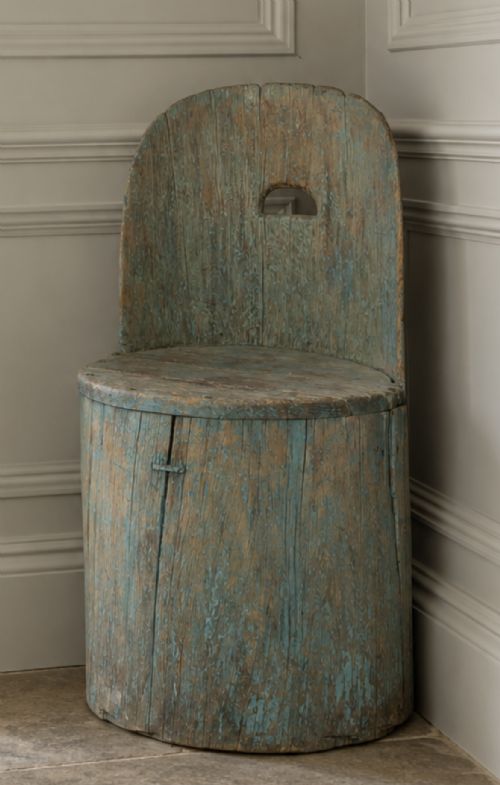
- Dug-out
- Furniture hollowed directly from a single solid log, characteristic of early seating found in Scandinavian and British rural traditions.
Primitive Wooden Furniture: Frequently Asked Questions
What defines primitive furniture?
Primitive furniture comprises utilitarian objects made by local rural artisans for everyday domestic or agricultural use. These items lack formal academic styling and rely instead on straightforward construction methods.
Materials are chosen for local availability and durability rather than fashion. This results in honest forms that reflect the specific regional traditions of their makers.
How do I date these pieces?
Dating relies on examining tool marks, construction methods, wood shrinkage, and the presence of early blacksmith ironwork. Eighteenth-century examples often display broader hand-split timbers and distinct joinery.
Later nineteenth-century pieces may show more standardised preparation while retaining traditional forms. Original surface finishes such as early paint or wax also help establish age.
Where were these pieces used?
These items originated in farmhouses, cottages, workshops, and sculleries across Britain, France, and Scandinavia. They served practical roles as seating, work surfaces, and storage.
Workbenches and chopping blocks belonged to trade spaces, while Windsor chairs and settles furnished domestic hearths. Their design directly answered the physical demands of rural labour and daily household life.
How do I care for antique wood?
Maintain antique wooden surfaces by keeping them away from direct heat sources and sudden humidity changes. Simple cleaning with a soft, dry cloth preserves the accumulated wax and dry patination.
Avoid modern liquid polishes that can penetrate open grain or soften early paint finishes. Gentle handling ensures the original patination and historic repairs remain stable.