





Primitive Folk Art Carving
Primitive folk art carving brings direct, unpretentious character into a room through hand-hewn wood and honest domestic utility.
Primitive Folk Art Carving
A primitive folk art carving represents utilitarian objects and sculptural pieces shaped by makers outside the formal academic traditions. These works cross several centuries, stretching from early 16th century panels through to the Edwardian period and the early decades of the 20th century.
The objects on this page span domestic seating, decorative bowls, sculptural animal forms, and architectural fragments. Buyers most frequently encounter carved wooden vessels, painted Swedish bowls, rustic stools, and carved figures.
Origins vary widely across regional styles such as Scandinavian country, Swedish country, and rustic farmhouse aesthetics. Each piece relies on simple hand tools and direct shaping rather than decorative artifice.
How they were made
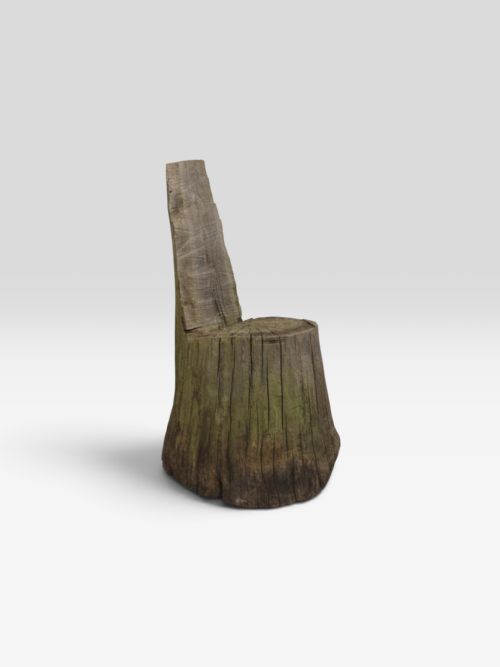
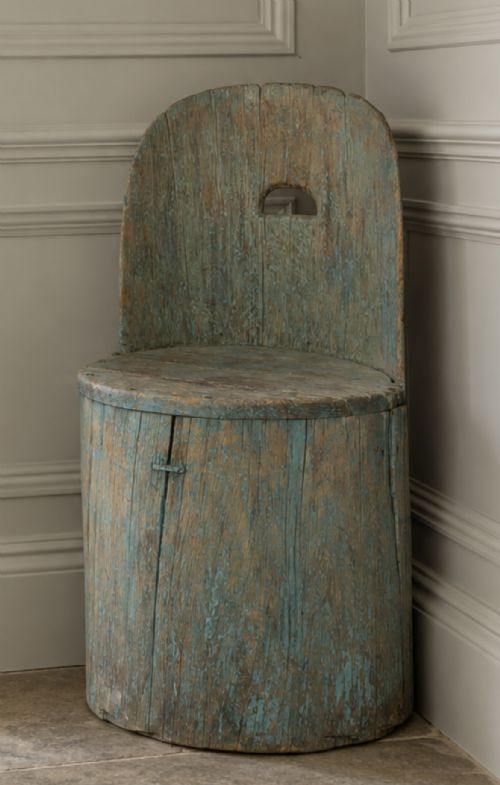
Makers shaped these items primarily from native woods like pine, oak, sycamore, and assorted hardwoods using adzes, drawknives, and gouges. Timber was frequently hollowed directly from tree trunks to form sturdy dug-out chairs, bowls, and planters.
Surface treatments often include original historic paint, exposing layers of colour that record decades of domestic handling. Iron fixings appear occasionally for structural reinforcement, while carved motifs like apotropaic marks provide decorative protection.
Primitive Folk Art Carving Retail Price Guide 2026
Typical asking prices for primitive folk art carving among the pieces listed under this phrase on Sellingantiques today, from the lower quarter to the upper quarter. They describe what is for sale here now, not the wider market.
What varies in quality
Quality rests in the vigour of the carving and the integrity of the surface patination. A strong piece displays confident tool marks and an unlaboured sculptural presence that reveals the maker's hand.
Surface preservation dictates much of the appeal, particularly where original paint finishes or untouched timber patination remain intact. Proportion and the natural ageing of the wood establish the visual weight of each object.
The Primitive Folk Art Carving Glossary
- Apotropaic mark
- A carved symbol intended to ward off evil spirits and protect the household. These marks are commonly found on domestic hearth items.
- Dug-out
- A construction method where a solid tree trunk is hollowed out to form a seat, vessel, or trough. This technique requires heavy timber and simple chopping tools.
- Tramp art
- A style of woodworking where items are chipped, notched, and layered using pocket knives and scrap wood materials. Picture frames and small boxes are typical forms.
- Nalbound
- An early single-needle looping technique used to create textiles and domestic utility items like strainers. It predates standard knitting methods.
Primitive Folk Art Carving: Frequently Asked Questions
What is primitive folk art carving?
Primitive folk art carving encompasses utilitarian and decorative wooden items made by self-taught makers using traditional hand tools.
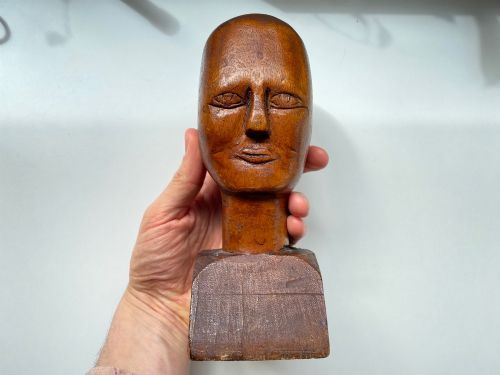
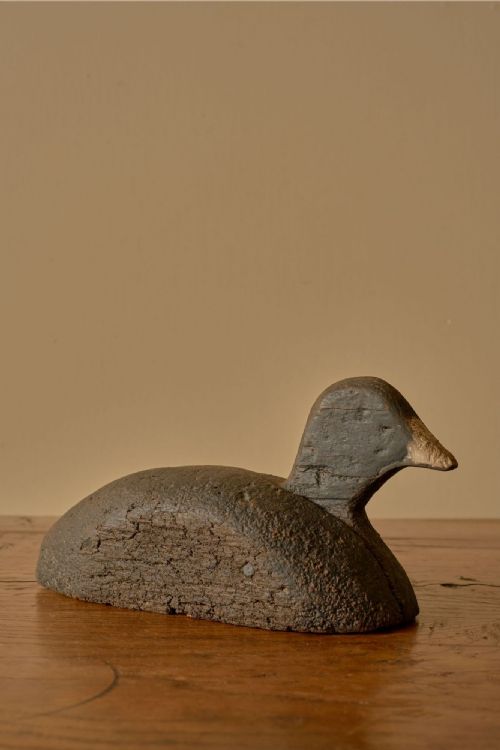
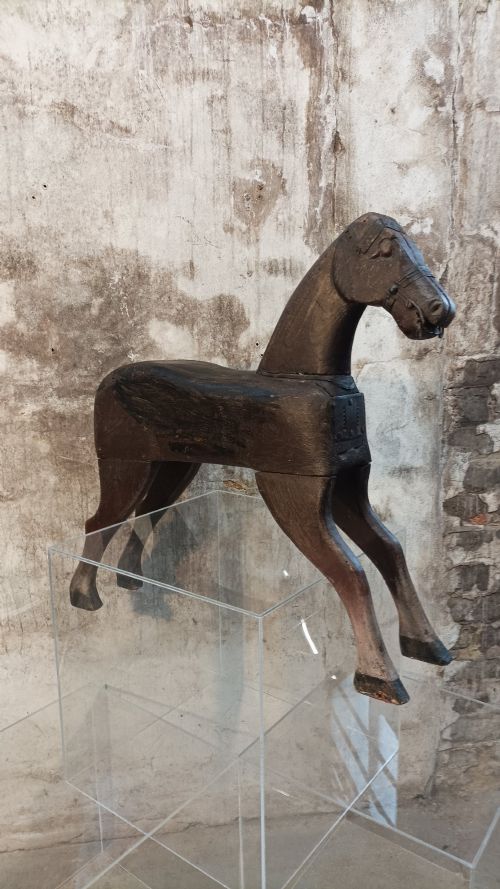
These pieces range from dugout chairs and bowls to animal sculptures and carved heads spanning several centuries.
How were old wooden bowls made?
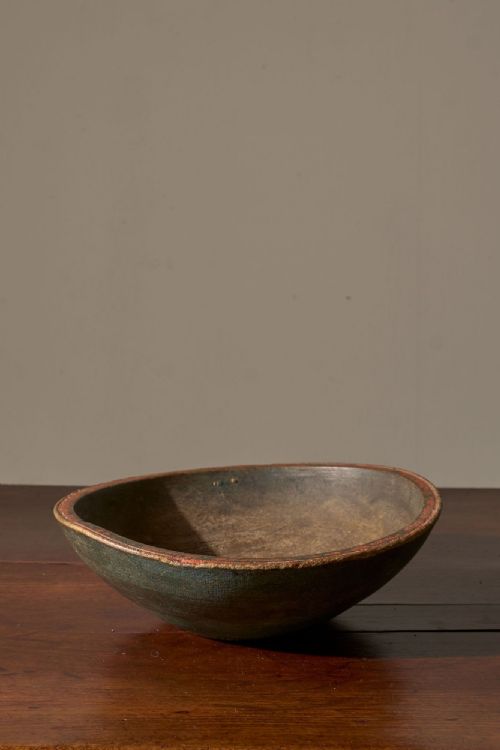
Old wooden bowls were typically hewn from solid tree trunks using axes, adzes, and gouges to hollow out the timber.
Makers selected dense woods like sycamore or pine to ensure the vessels could withstand daily domestic tasks.
Where should I place a rustic stool?
A rustic stool suits low-traffic corners, beside a fireside chair, or as a small display surface for plants and objects.
Their sculptural forms and weathered wood textures add warmth and grounding to contemporary and traditional interiors alike.
How do I identify a Swedish country chair?
Swedish country chairs often feature dugout construction from single pieces of timber, combined with simple painted finishes.
Their silhouettes are functional and unadorned, reflecting the practical needs of Scandinavian domestic life.