




Portrait Art Pendant
A portrait art pendant holds a miniature likeness within precious metal, combining personal remembrance with wearable painting.
Portrait Art Pendant
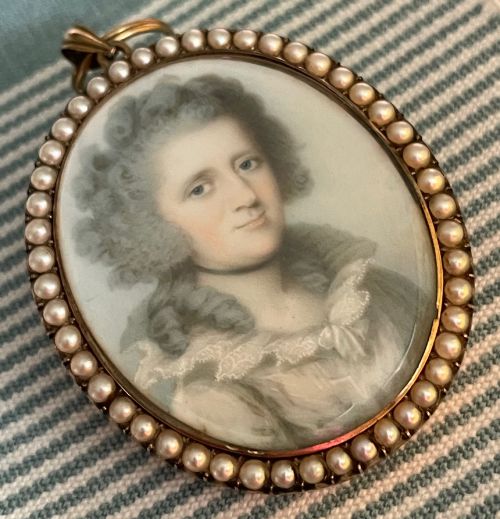
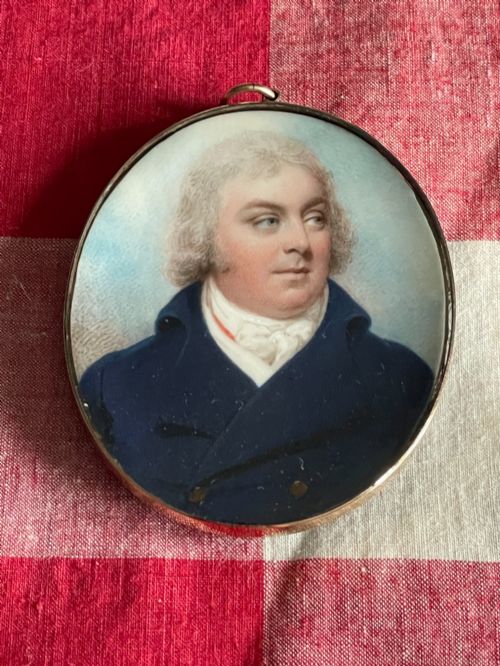
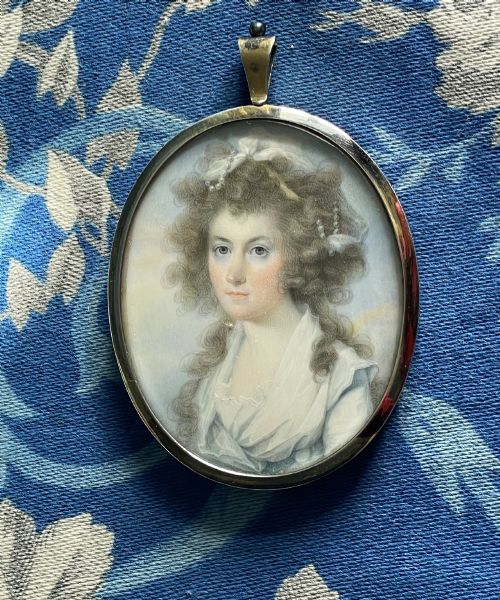
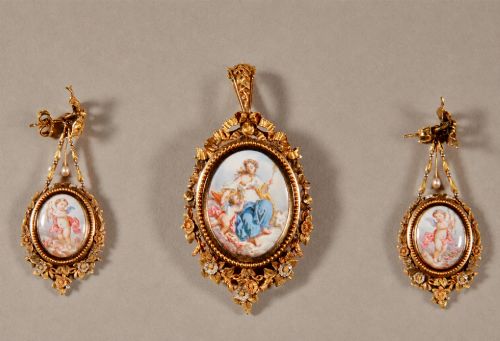
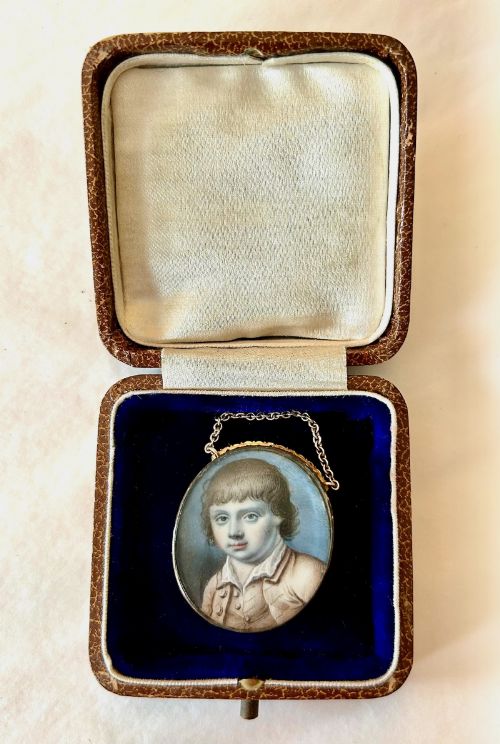
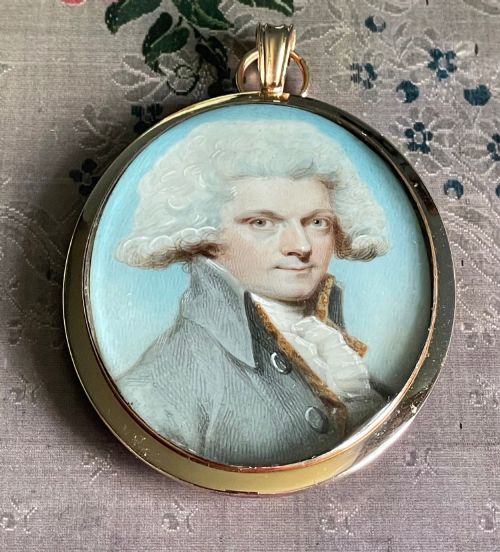
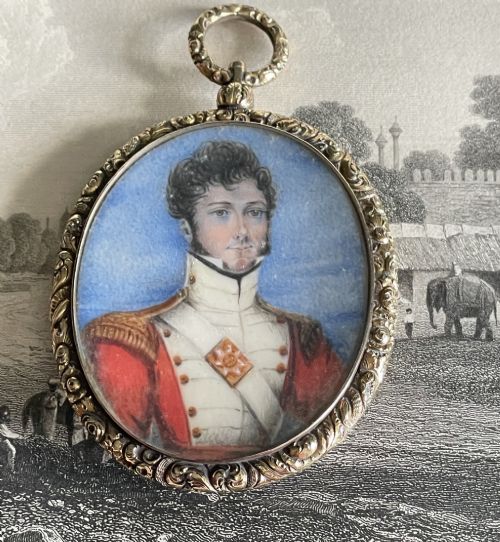
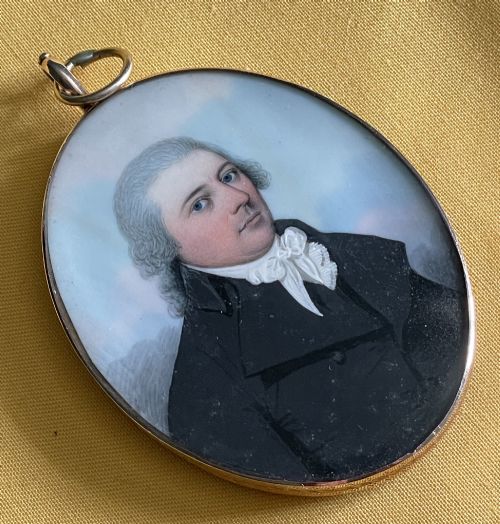
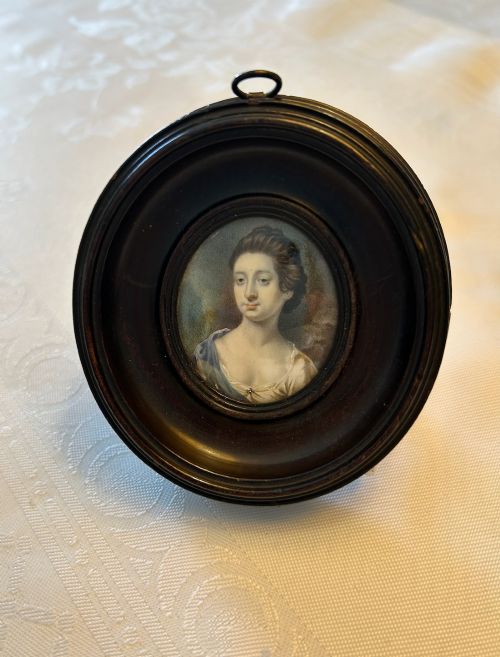
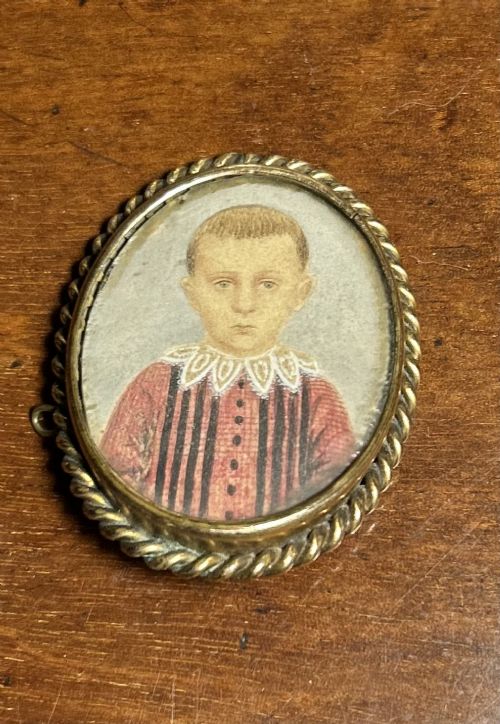
A portrait art pendant brings together small-scale painting and personal adornment, often taking the form of framed miniatures or lockets worn close to the body. These pieces serve as intimate depictions of individuals, ranging from named military officers and naval figures to family members and anonymous sitters. Buyers searching this phrase meet works spanning the eighteenth century, the Georgian era, and the Victorian period, alongside later nineteenth-century revival styles.
The objects on this page appear as pendant frames, brooches with pendant loops, and framed miniatures executed on varied supports. Formats include oval gold frames, silver gilt mounts, and ebonised wall frames that double as hanging pieces. Subjects encompass British school works, American folk art pairs, and continental portraits, reflecting diverse regional painting traditions across Europe and America.
How they were made
Artists housed these fragile works inside surrounds fashioned from gold, gilt metal, sterling silver, and silver gilt. Many settings incorporate pearls, glass crystals, and hinged back compartments designed to hold hair mementoes.
Portrait Art Pendant Retail Price Guide 2026
Typical asking prices for portrait art pendant among the pieces listed under this phrase on Sellingantiques today, from the lower quarter to the upper quarter. They describe what is for sale here now, not the wider market.
Listings feature works painted on ivory, vellum, glass, and agate panels.
What varies in quality
Quality rests primarily on the skill of the brushwork and the anatomical accuracy of the facial rendering. Superior pieces capture character, light in the eyes, and texture in lace or hair with precision, whereas weaker examples lack depth and proportion.
Materials and framing also determine distinction. Hand-painted works on ivory, enamel, or agate set in solid gold or marked silver mounts represent a higher grade of craftsmanship than mass-produced prints or base metal settings.
John Donaldson·Charles Shirreff·John C D Engleheart·Frederick Buck·William Wood·Charles Hayter·Christian Friedrich Zincke·William Naish·Henry Bone·Elizabeth Hudson·George Engleheart·James Ferguson·Meyle And Mayer·Samuel Cotes·AE Chalon·John Barry·Gallia
The Portrait Art Pendant Glossary
- Miniature painting
- A small-scale portrait executed with fine brushes on ivory, vellum, card, or copper. These works demand extreme control and patience from the artist.
- Enamel
- A material created by fusing powdered glass to a metal substrate through firing at high temperatures. Enamel miniatures offer lasting colour stability and a glossy finish.
- Parure
- A matching set of jewellery designed to be worn together, such as a necklace, earrings, and a brooch or pendant. Complete sets often share identical metalwork and decorative motifs.
- Vellum
- A fine parchment prepared from calfskin, utilised as a stable drawing and painting surface for miniatures. Its smooth grain allows for sharp linear detail.
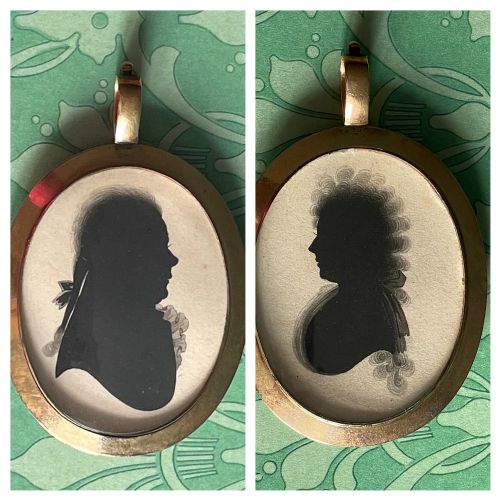
- Silhouette
- A portrait profile filled in with a solid dark colour, typically black, against a light background. These were cut from paper or painted directly on glass or card.
Portrait Art Pendant: Frequently Asked Questions
How were portrait art pendants worn in the past?
People wore these pieces suspended from ribbons or chains around the neck, or pinned directly to garments as combined brooches and pendants. They functioned as private tokens of affection, mourning remembrances, or displays of family lineage.
Subjects included departed relatives, military commanders, and spouses. Owners kept them close to the heart as tangible connections to the individuals depicted.
How do I identify a Georgian portrait miniature?
Georgian pieces typically feature hand-painted watercolours on thin ivory panels, framed in gold or gilt metal with closed backs. The sitters often display powdered hair, high collars, and specific period costume cuts dating from the mid-eighteenth to early nineteenth century.
Many incorporate woven hair work or inscribed monograms under glass on the reverse side. The painting style relies on stippling and fine hatching rather than flat colour washes.
Are these portraits painted on actual ivory?
Many eighteenth and nineteenth-century examples utilise thin slices of prepared ivory as a painting ground. The translucent quality of the material imparts a natural luminosity to painted skin tones.
Modern restrictions govern the trade of antique items containing animal materials. When examining older pieces, the grain structure of the ivory often remains visible under magnification.
How should I care for an antique portrait pendant?
Keep these items away from direct sunlight, high humidity, and extreme temperature fluctuations to prevent the paint or ivory ground from warping and fading. Store them in padded boxes rather than leaving them exposed to dust and knocks.
Avoid liquid cleaners, chemical polishes, and ultrasonic baths, as moisture damages watercolour paint and historic adhesives. Dust the exterior metal settings gently with a dry, soft cloth.