
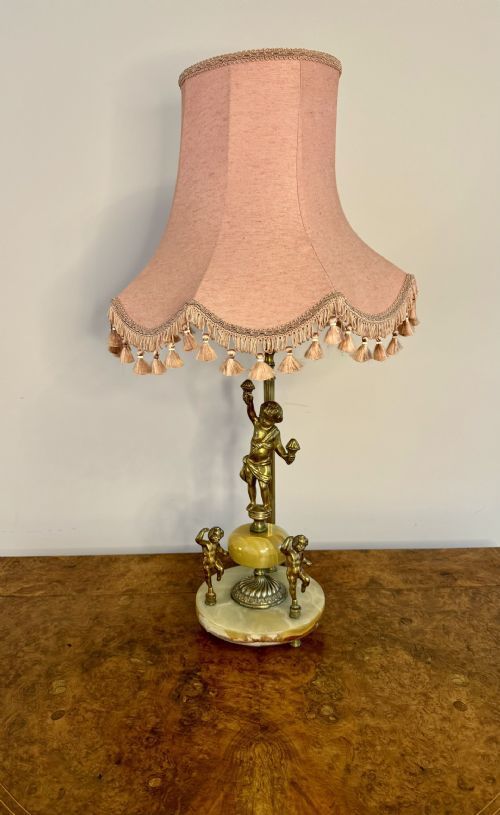
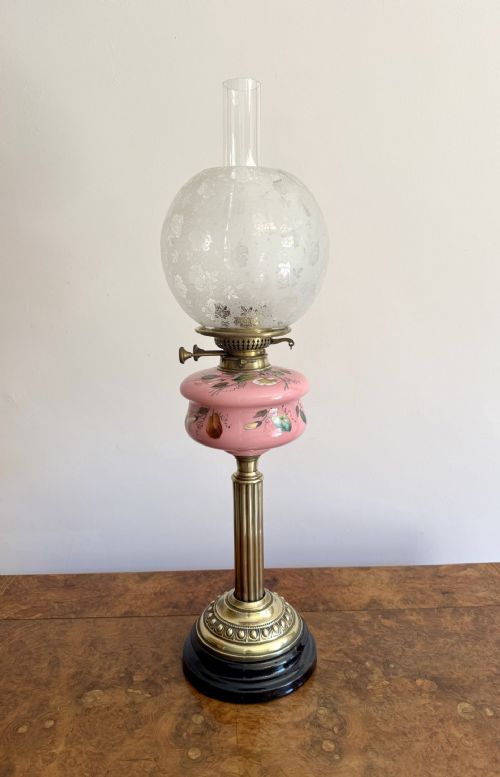


Pink Victorian Table Lamp
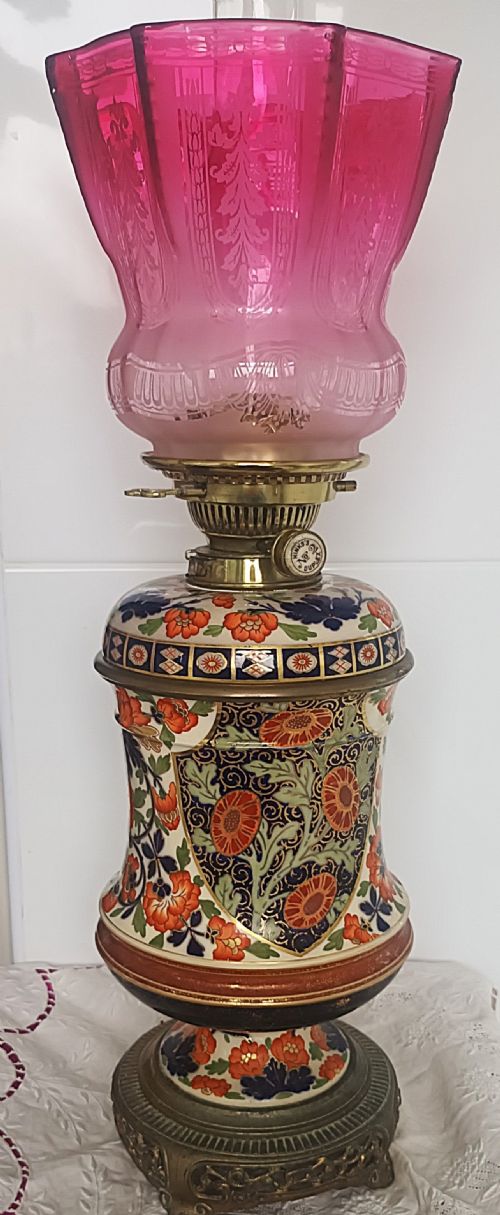
A pink victorian table lamp brings soft illumination and nineteenth-century character to a room, combining brass columns and hand-painted fonts.
Pink Victorian Table Lamp
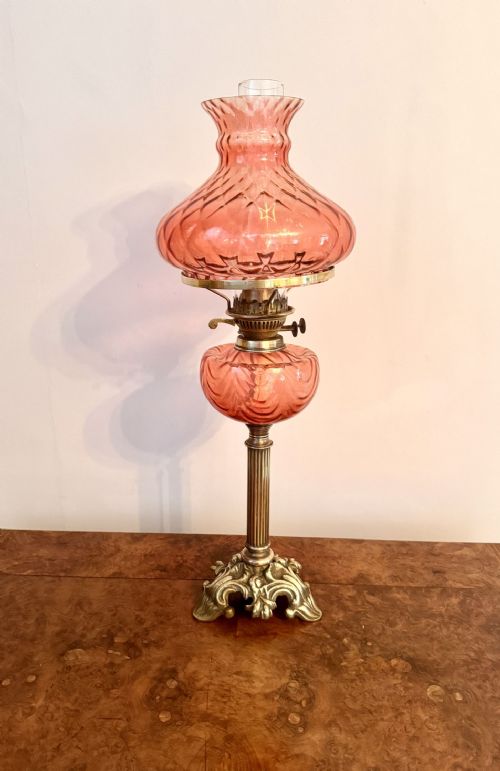
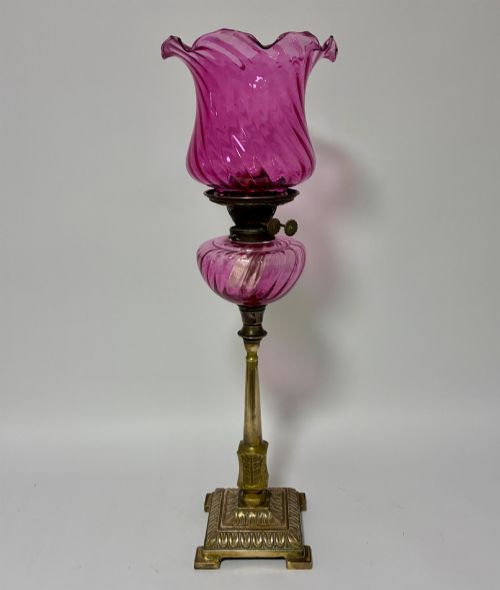
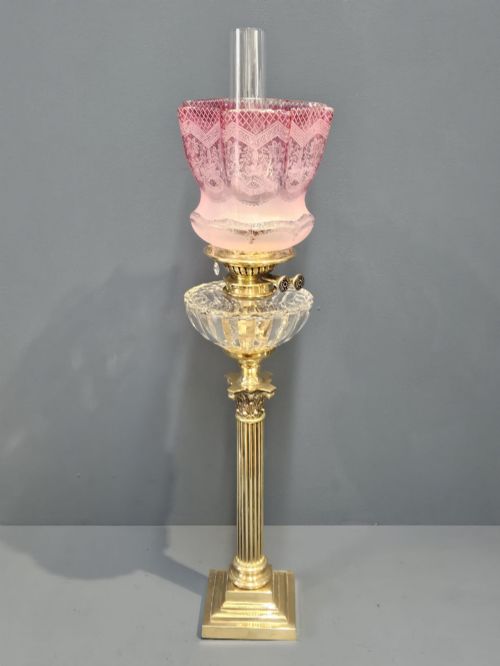
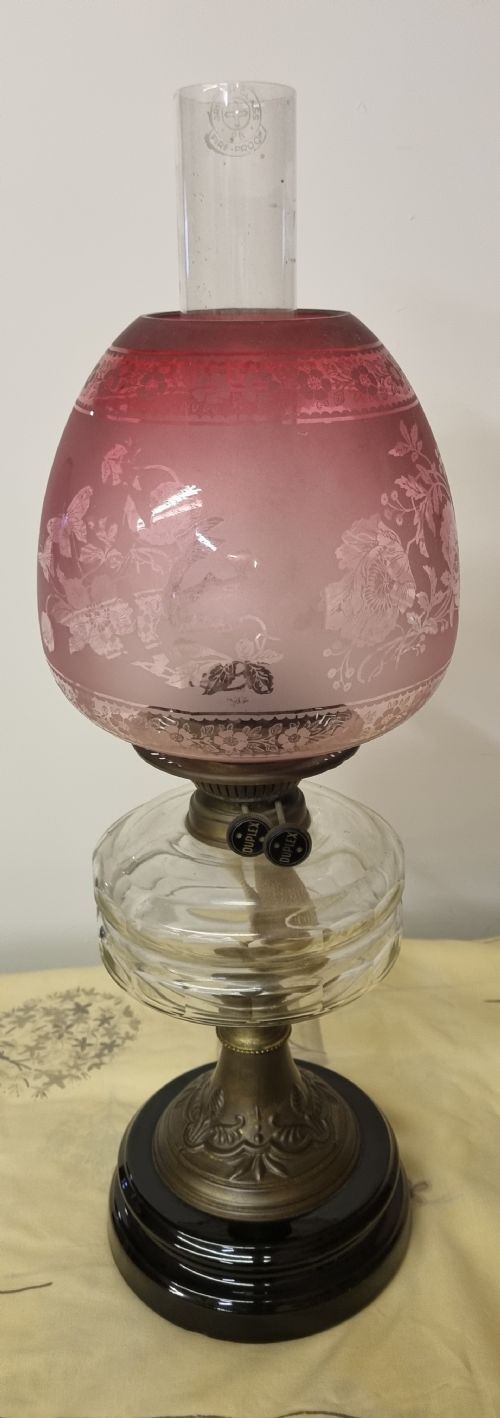
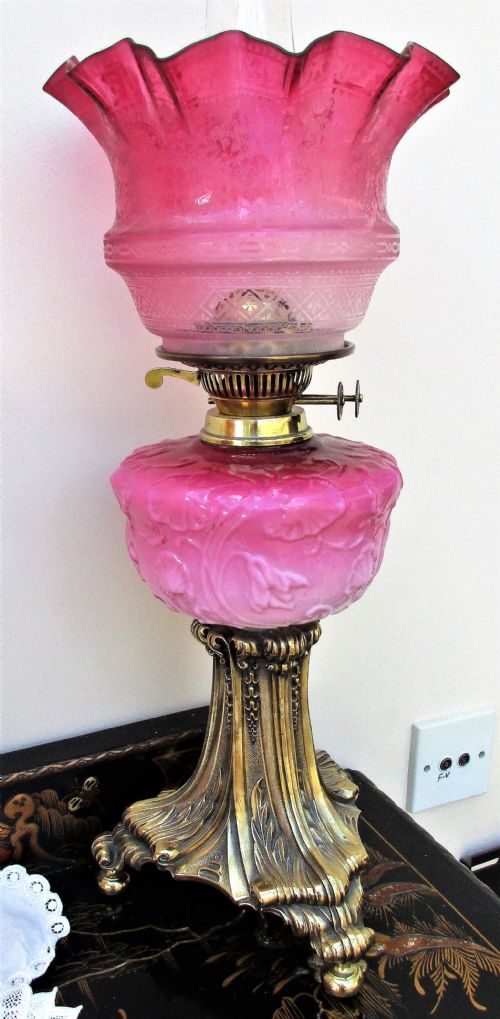
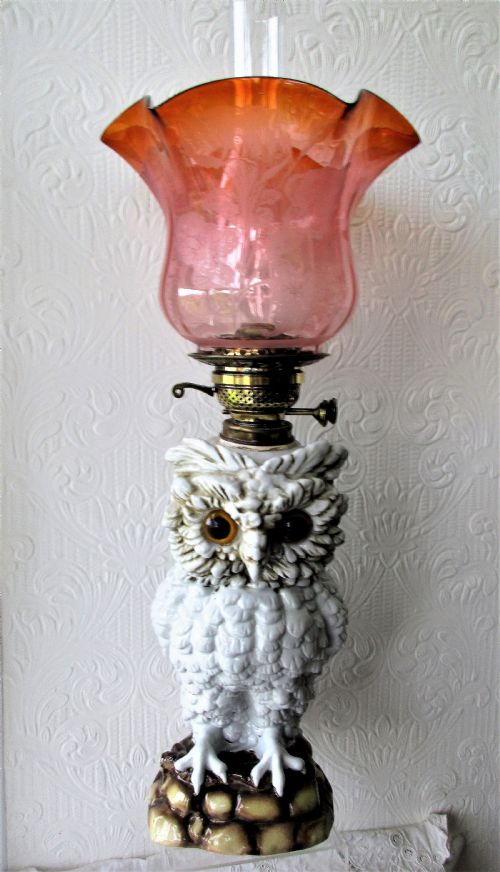
A pink victorian table lamp typically takes the form of a converted oil or paraffin lamp dating from the nineteenth century or the Edwardian era. These pieces combine functional nineteenth-century lighting hardware with decorative glass reservoirs in pink, cranberry, or opaque shades.
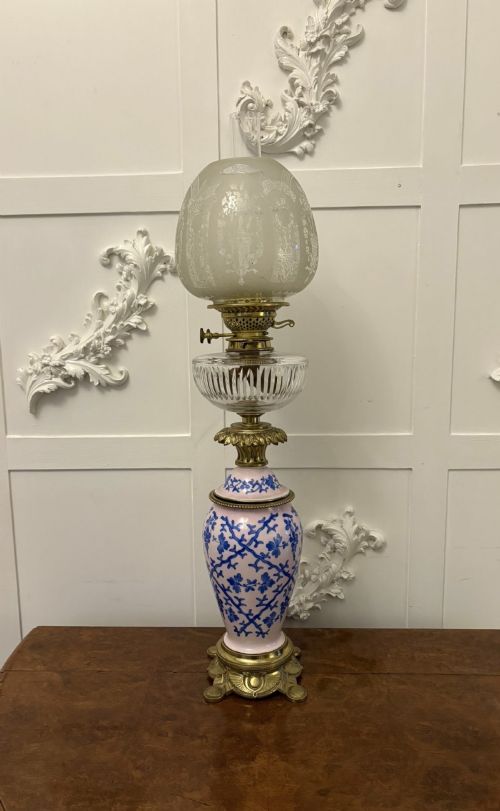
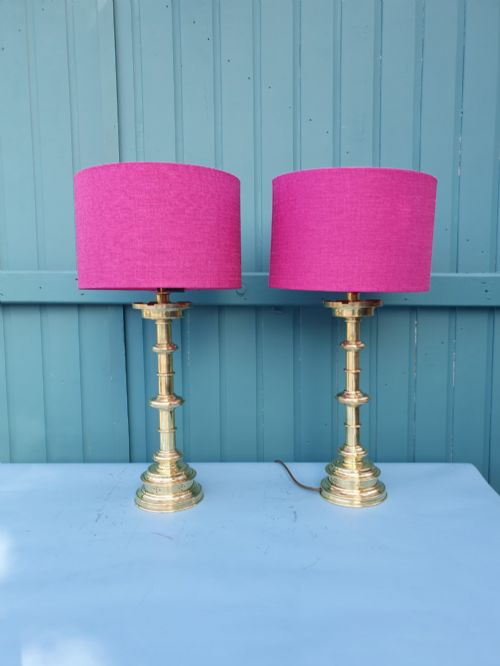
The objects appearing here span the Victorian period into the early twentieth century, incorporating styles ranging from classical Corinthian columns to ornate porcelain and hand-painted ceramics. Many examples feature tall brass or bronze stems rising from heavy bases to support contrasting pink glass fonts and matching shades.
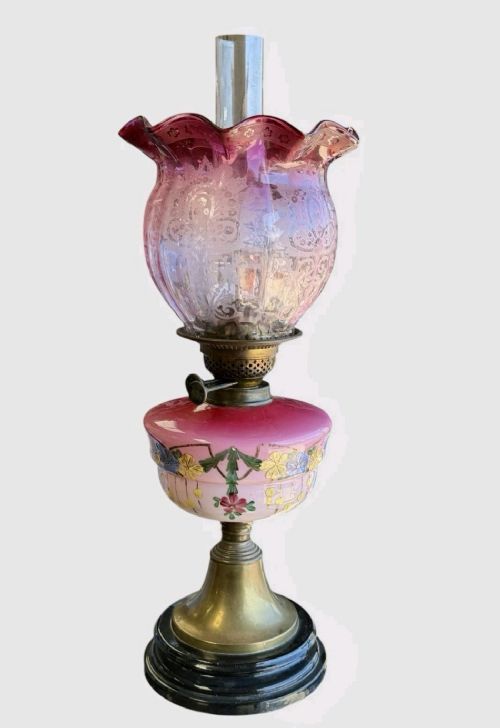
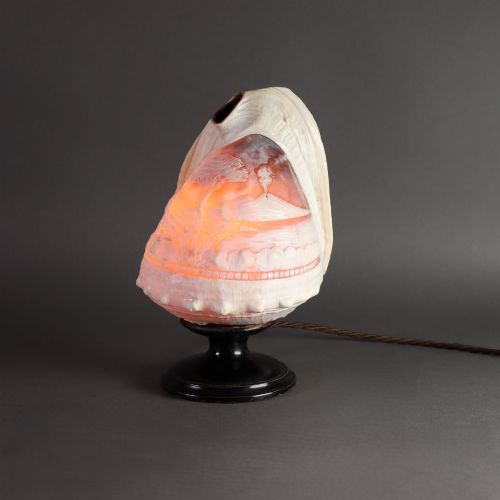
Buyers frequently encounter variants that pair brass or silver-plated metalwork with delicate glass vessels, occasionally decorated with gilt highlights or hand-painted floral motifs. The selection also includes occasional table bases and specialised desk lamps from the same broad era.
Materials and construction methods
Makers utilised cast brass, bronze, and silver plate for the structural columns and heavy weighted bases, ensuring stability for the elevated fuel reservoirs. Metal components often display reeded columns, Corinthian capitals, or cold-painted bronze details.
Reservoirs and shades rely on blown and cased glass techniques, particularly cranberry glass, pink opaque glass, and crystal with applied gilt decoration. Ceramic and porcelain elements, including works from factories like Sitzendorf, introduce hand-painted enamel designs to the bodies and fonts.
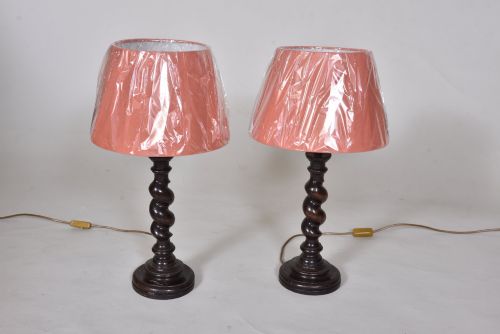
Secondary materials such as ebonised wood, marble, and onyx appear in associated table bases and stands, providing solid foundations that complement the reflective qualities of the metal and glass lamps.
The architectural influence of the Victorian era appears clearly in the recurring use of Corinthian column stems across multiple listings.
Assessing quality and craftsmanship
Quality rests in the crispness of the casting on brass and bronze columns, where sharp fluting and detailed capital capitals distinguish superior metalwork from softer, later reproductions. Heavy gauge brass and substantial weighted bases indicate better original manufacture.
The integrity and depth of colour in the glass components separate standard examples from finer pieces, especially where hand-painted floral details, etched patterns, or layered cranberry and pink tones show genuine period artistry. Original matched fonts and shades command greater appreciation than assembled pairs.
Sophisticated mechanical adjustments, such as telescopic mechanisms or complex burner assemblies by established makers, elevate the functional sophistication and desirability of an individual piece.
Sitzendorf·Hinks·Taylor Tunnicliff
The Pink Victorian Table Lamp Glossary
- Cranberry glass
- A rich red-pink transparent glass created by adding gold chloride to the molten batch. It is a hallmark of late nineteenth-century decorative lighting.
- Corinthian column
- A classical architectural column style featuring ornate acanthus leaves on the capital. Victorian lamp makers frequently adopted this design for brass and silver-plated stems.
- Opaque glass
- Non-translucent glass that diffuses light softly, often found in pink Victorian vessels and shades. It provides a solid pastel tone rather than clear colour.
- Ebonised wood
- Timber treated to resemble ebony, providing a dense black finish. It often forms the structure of Victorian lamp tables and occasional stands.
Pink Victorian Table Lamp: Frequently Asked Questions
How do I convert a Victorian oil lamp for electricity?
Conversion typically involves running a concealed electrical cord up through the central column without drilling or damaging the original brass or ceramic structure. Many collectors prefer professional rewiring that preserves the burner mechanism and collar.
Retaining the original weighted base and burner components ensures the lamp maintains its structural balance and historical integrity while safely hosting modern wiring and bulbs.
Are pink Victorian lamp shades usually original?
Finding a lamp with its matching period shade is common, but many surviving examples have been paired with replacement shades over decades of use. Examining the glass texture, wear around the fitter rim, and matching colour tones helps determine if shade and base belong together.
Both blown glass and etched cranberry shades were produced in significant numbers during the nineteenth century, allowing for period-appropriate replacements when originals were lost.
How do I clean antique brass lamp columns?
Gentle dusting with a soft, dry cloth is usually sufficient to remove surface dirt without disturbing the aged patina that collectors value. Avoid aggressive metal polishes that strip away the historical warmth of the brass.
Glass components can be washed separately in lukewarm soapy water, taking care to protect any hand-painted gilt decoration or enamel work from harsh abrasives.
What is the difference between Victorian and Edwardian table lamps?
Victorian lamps often feature heavier, more ornate ornamentation such as Corinthian brass columns, rich cranberry glass, and elaborate hand-painted porcelain fonts. They reflect a taste for eclectic revival styles and vibrant colour.
Edwardian examples tend toward lighter brass constructions, simpler onyx or marble integrations, and softer pastel pink tones that align with a more refined, restrained domestic aesthetic.