


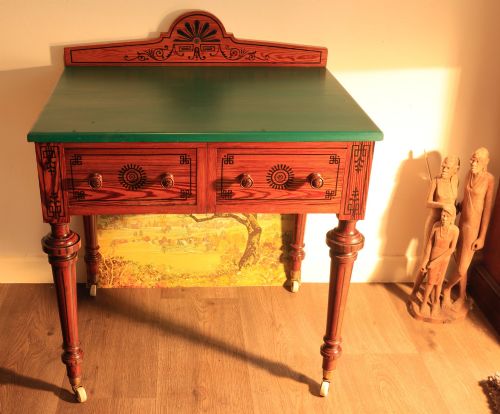


Pine Washstand Drawer
Pine washstand drawer pieces are utilitarian bedroom furnishings from the nineteenth century that offer practical storage and robust timber character.
Pine Washstand Drawer
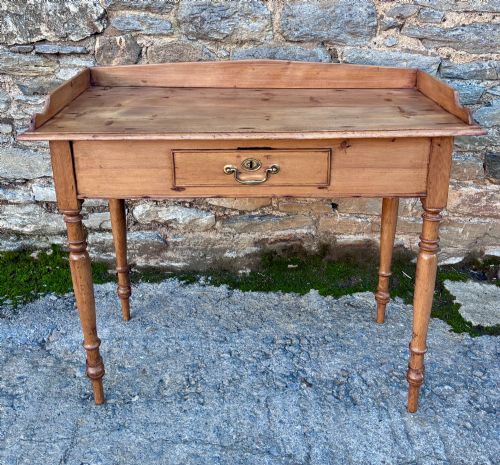
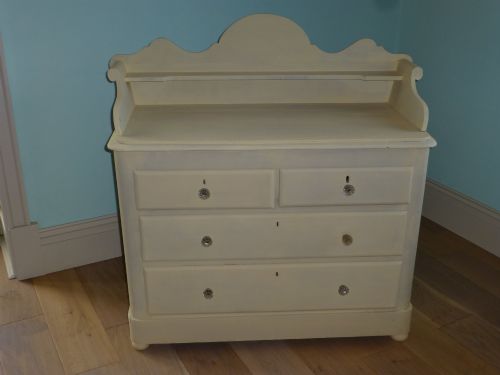
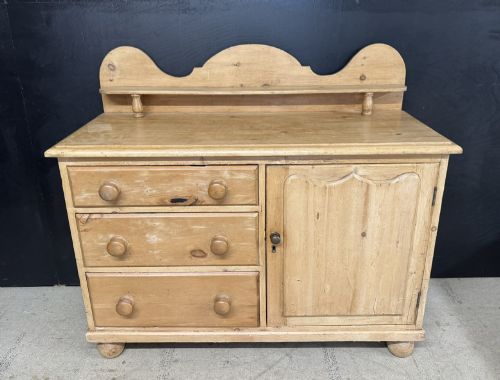
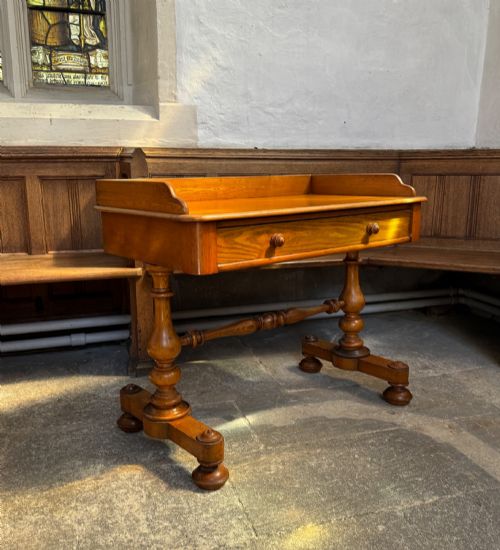
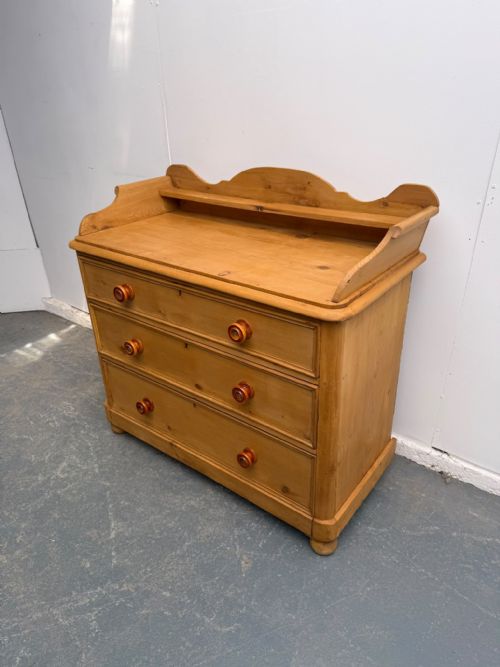
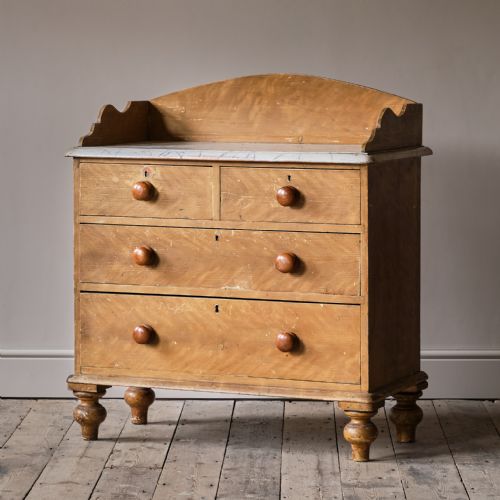
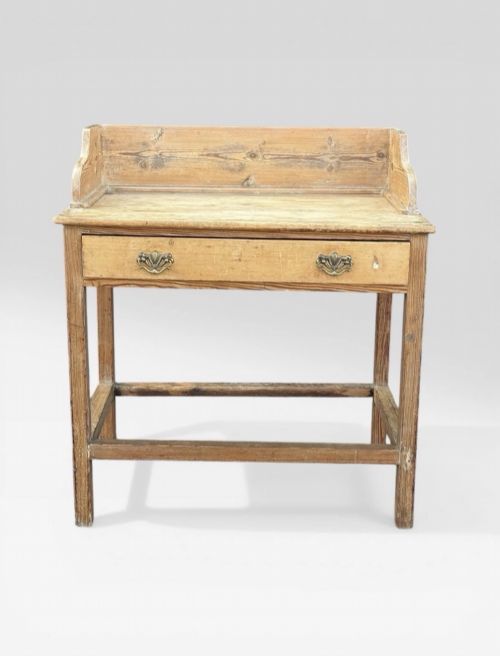
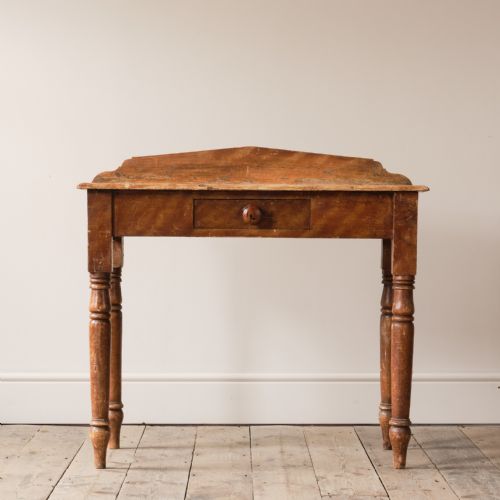
When searching for a pine washstand drawer, you are looking at nineteenth century bedroom furniture designed for washing and ablutions, often featuring one or more internal compartments for storage. These items commonly appear as part of washstands, side tables, and chests of drawers from the Victorian period.
The inventory on this page spans the nineteenth century, including specific dates such as 1880, 1890, and 1900, alongside broader Victorian and 19th Century categorisations. Alongside standard washstands, you will encounter forms like chests of drawers, dressers, console tables, and dressing tables.
Many of these pieces originate from rural or domestic contexts, reflecting styles such as Victorian Country, French Country, and the Aesthetic Movement. Variants include items with tile gallery backs, marble tops, and faux bamboo details alongside simpler rustic wooden constructions.
How they were made
Construction relies heavily on pine and pitch pine, providing a sturdy carcase for daily domestic use in nineteenth-century bedrooms. Timber surfaces are frequently treated with traditional wax finishes or retain remnants of original paint.
Hardware and decorative elements incorporate brass handles, ceramic components, and glass details, whilst specific variants integrate marble tops and tile gallery backs to protect walls from water splashes.
Pine Washstand Drawer Retail Price Guide 2026
Typical asking prices for pine washstand drawer among the pieces listed under this phrase on Sellingantiques today, from the lower quarter to the upper quarter. They describe what is for sale here now, not the wider market.
Some nineteenth-century washstands come equipped with tile gallery backs, proving that even a splash of water deserved a decorative backdrop.
What varies in quality
The distinction between standard utility furniture and superior examples lies in the survival of original surface treatments, such as original paint or early wax finishes. Pieces retaining intact tile gallery backs and marble tops represent a more elaborate execution.
Stylistic variation also affects the character of individual items, ranging from plain country workshop builds to distinct decorative expressions like Aesthetic Movement designs or faux bamboo turning.
The Pine Washstand Drawer Glossary
- Pitch pine
- A denser, more resinous variety of pine timber often used in nineteenth-century cabinet making for increased durability. It typically displays a pronounced grain pattern.
- Gallery back
- A raised upstand at the rear of a washstand or table designed to prevent water splashing against the wall. These often incorporate decorative tiles in better examples.
- Faux bamboo
- A decorative technique where timber is carved or turned to imitate the segmented joints of natural bamboo. This style gained popularity during the late nineteenth century.
- Chest of drawers
- A case piece of furniture consisting of multiple horizontal drawers stacked above one another. They frequently double as washstands or dressing surfaces in period settings.
Pine Washstand Drawer: Frequently Asked Questions
What is a pine washstand drawer?
A pine washstand drawer is a storage component built into nineteenth-century bedroom washstands, designed to hold washing accessories and personal items.
These pieces reflect the domestic habits of the Victorian era, combining practical timber construction with utilitarian storage compartments.
What materials were used?
The primary material is pine or pitch pine, supplemented by functional elements in brass, ceramic, and glass.
More elaborate examples incorporate marble tops and ceramic tiles to handle the practical demands of washing in the bedroom.
Where were these pieces used?
They originated as functional bedroom furniture in nineteenth-century homes, serving as washing stations before plumbed bathrooms became common.
Today, they adapt easily to modern living spaces as side tables, chests of drawers, or hallway console units.
What styles are common?
The listings show a range of aesthetic approaches, including Victorian Country, French Country, and Aesthetic Movement designs.
Variations also include faux bamboo turnings and painted surfaces that distinguish simpler rustic pieces from more decorative items.