




Pine Storage Stand
A pine storage stand brings practical utility and honest warmth into a room, spanning functional corner cabinets, umbrella holders, and tier stands.
Pine Storage Stand
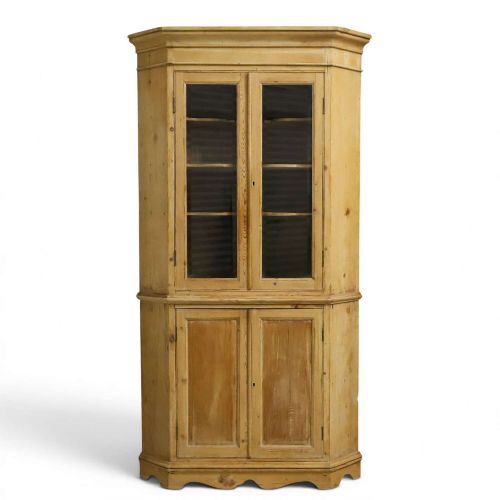
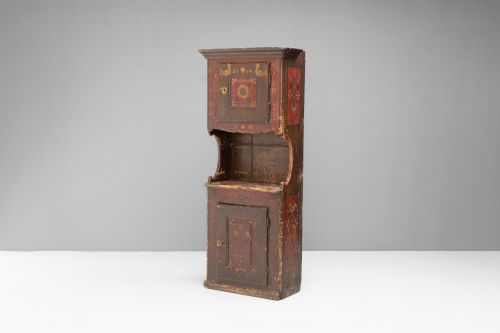
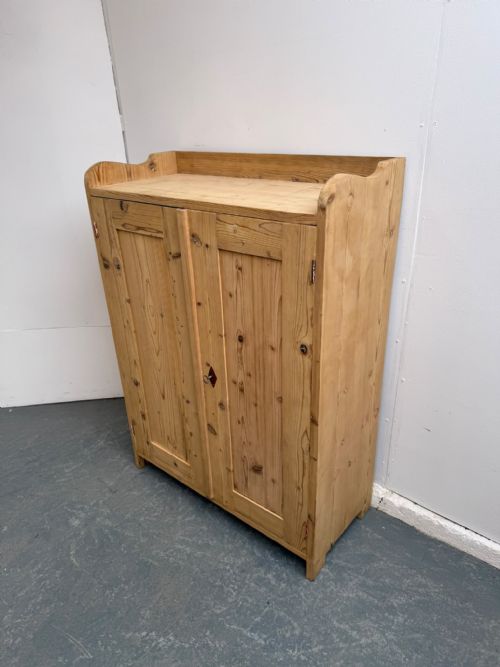
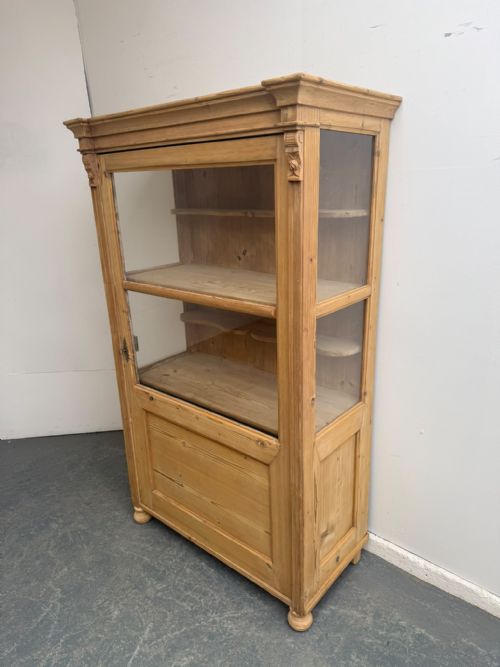
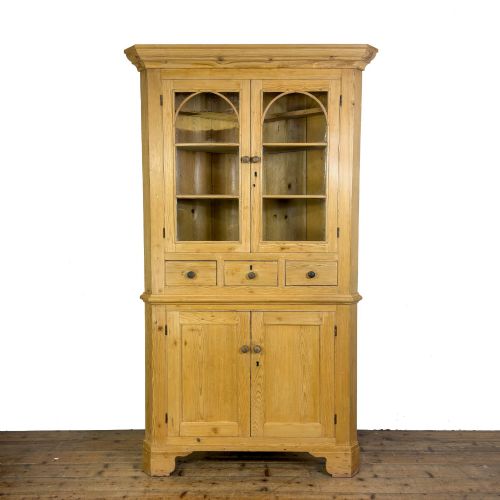
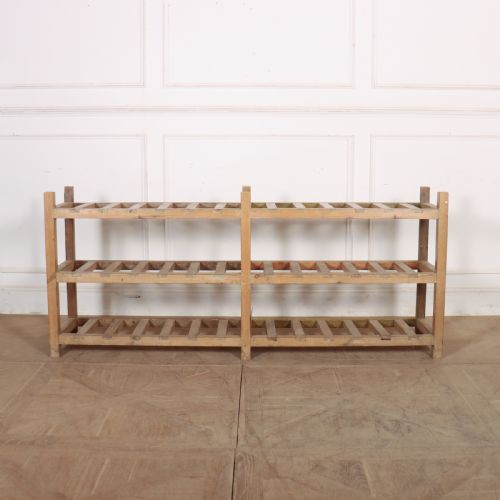
The forms vary significantly according to their original domestic purpose, ranging from two-part corner cupboards and housekeepers cupboards to umbrella stands, shoe racks, and washstands. Many items exhibit regional or country characters, including Scandinavian and rustic farmhouse styles.
You are most likely to meet Victorian and 19th-century pieces on this page, often featuring glazed doors, painted finishes, or waxed surfaces. These items serve varied storage roles, from corner display cabinets to compactum wardrobes and tiered stands.
How they were made
Carpenters and joiners utilised solid pine and pitch pine for these utilitarian and display items, frequently employing two-part construction methods for large cupboards and corner cabinets. Iron, brass, and metal hardware such as hinges and handles complete the structural assembly.
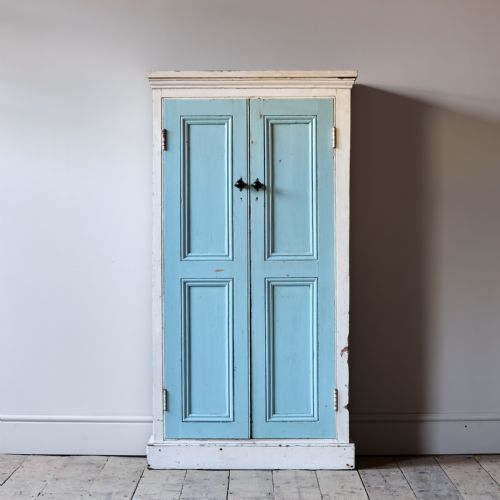
Surfaces receive different treatments depending on the period and regional tradition, varying between stripped pine, traditional wax finishes, and painted applications such as simulated oak or simple painted coats. Hand-woven elements appear on specific tier stands from the early 20th century.
Pine Storage Stand Retail Price Guide 2026
Typical asking prices for pine storage stand among the pieces listed under this phrase on Sellingantiques today, from the lower quarter to the upper quarter. They describe what is for sale here now, not the wider market.
The listings span pieces from the 18th, 19th, and early 20th centuries, utilising pine, pitch pine, iron, brass, and painted surfaces.
What varies in quality
The distinction between standard utility furniture and finer examples rests on the joinery, the proportion of the piece, and the preservation of original surfaces. Better items display thoughtful proportioning, particularly in architectural corner units and multi-tiered stands.
The integrity of the timber and the finish dictate the character, where untouched painted surfaces or deep waxed patinas elevate a piece above standard utilitarian examples. Items requiring restoration differ from those retaining their original hardware and glass panels.
The Pine Storage Stand Glossary
- Pitch pine
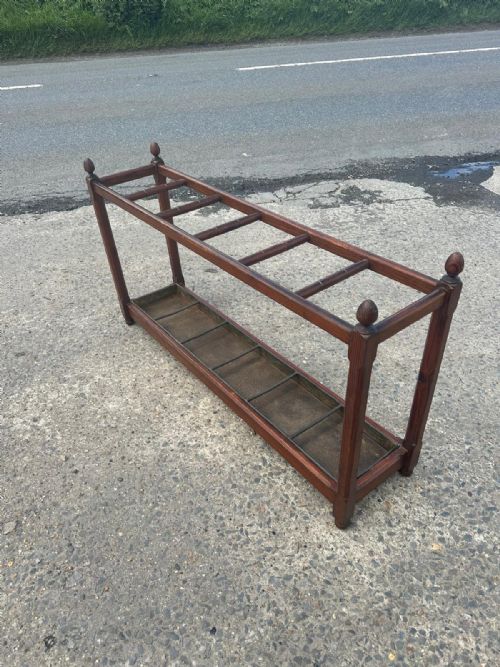
- A resinous pine variety known for its durability and strong grain pattern, frequently utilised in heavy-use items such as umbrella and stick stands.
- Housekeepers cupboard
- A large storage furniture form designed for linens and dry goods, typically featuring multiple doors or drawer sections.
- Two-part form
- A construction method where a cabinet separates into an upper and lower section for ease of transport and placement.
- Compactum wardrobe
- A fitted wardrobe design incorporating internal partitioning, drawers, and hanging space within a single footprint.
- Washstand
- A domestic table or cabinet designed to hold washing basins and pitchers, often featuring raised backs or tile inserts.
Pine Storage Stand: Frequently Asked Questions
What is a pine storage stand used for?
These pieces serve various domestic storage and display functions, ranging from holding umbrellas and shoes to housing collections behind glass doors.
They adapt readily to modern rooms for organising household goods while adding period character.
How do I care for waxed pine furniture?
Maintain waxed pine surfaces by applying a traditional beeswax polish occasionally and buffing with a soft cloth to preserve the sheen.
Keep the timber away from direct heat sources and excessive moisture to prevent warping or cracking.
Are these stands suitable for small rooms?
Many forms, particularly corner cabinets and compact umbrella stands, utilise vertical space efficiently without dominating a room.
Measuring your available floor space helps determine whether a two-part cupboard or a narrow tier stand fits best.
How can I tell the period of a pine piece?
Dating relies on observing construction techniques, hardware types, and timber characteristics typical of Georgian, Victorian, or later eras.
Surface treatments, such as early paint layers or simulated graining, also offer clues to the age of the piece.