

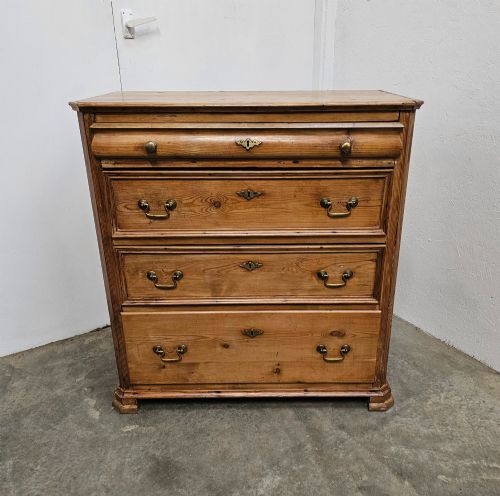
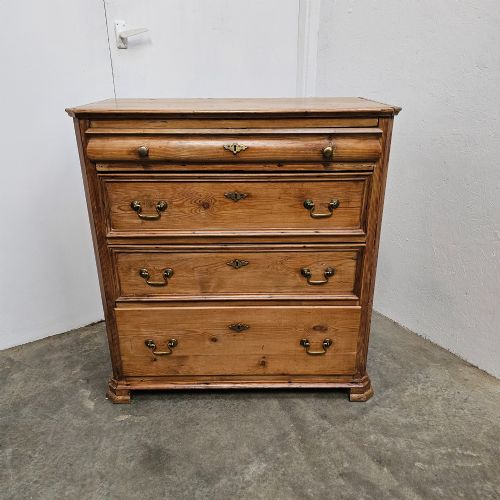
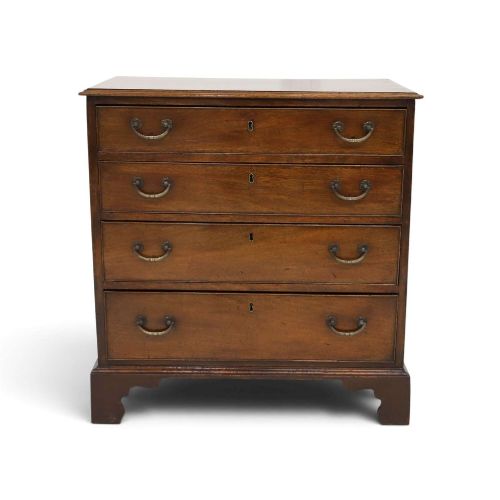
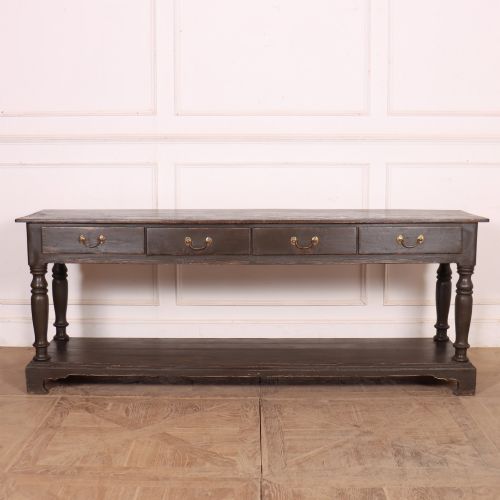
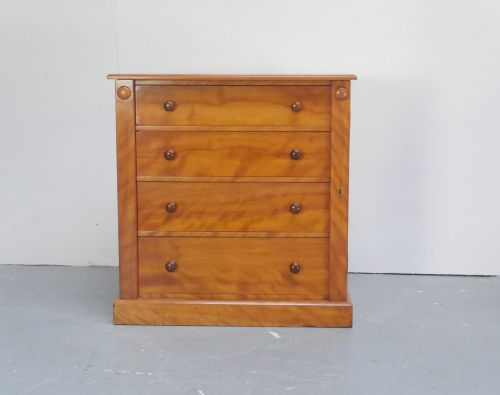
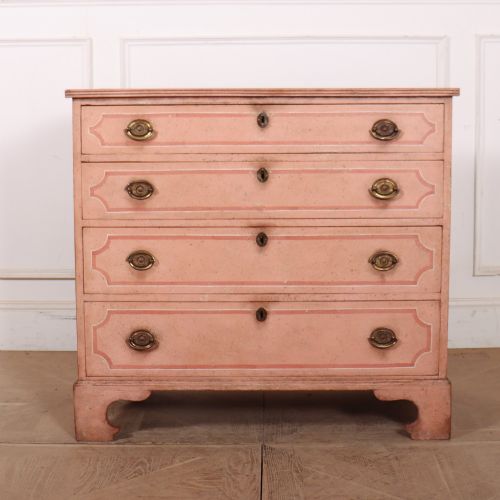
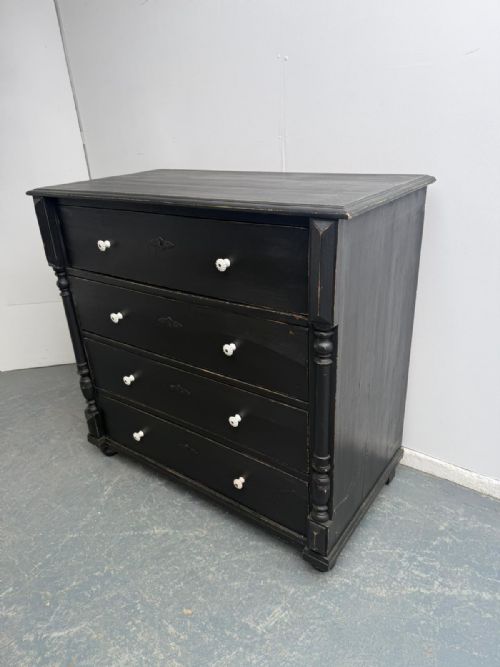
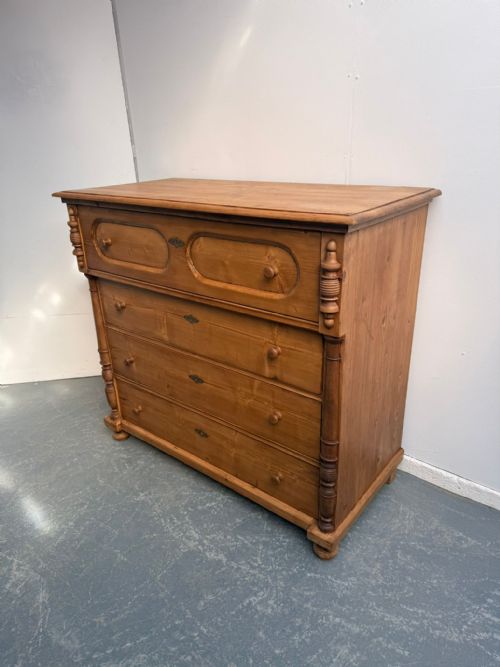
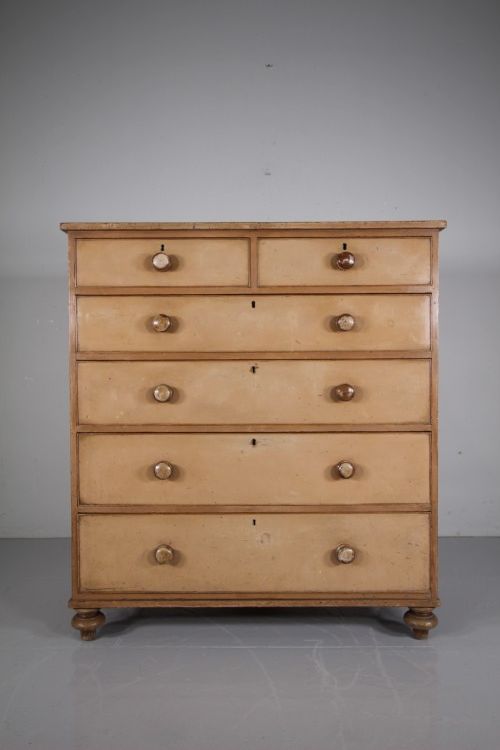
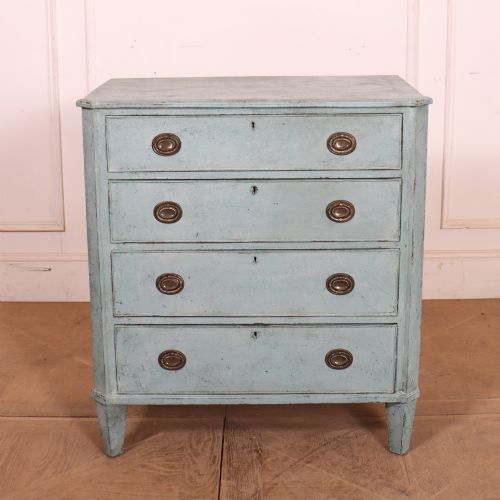


Pine Four Drawer Dresser
A pine four drawer dresser offers sturdy utility and honest character, bringing straightforward storage and working surface to a room.
Pine Four Drawer Dresser
A pine four drawer dresser combines timber storage with display or surface space, drawing on 18th century, 19th century, and Victorian traditions. Pieces appearing under this description span standard chests of drawers, dresser bases, and sideboards.
Most examples found on this page hail from the Victorian era and the wider 19th century, taking forms such as English country pieces, Scottish Victorian designs, and Scandinavian country styles.
Makers and workshops across England, Scotland, Hungary, and Sweden constructed these items in solid pine and painted wood, occasionally incorporating brass and ceramic fittings.
Materials and Construction
Makers relied primarily on solid pine, working the timber into robust frames and drawer carcasses designed for daily service. Surfaces often received coats of paint, decorative sign writing, or simulated birch effects.
Hardware such as brass handles and ceramic elements completed the construction, while galleries and potboards added specialised utility to dresser bases and sideboards.
Pine Four Drawer Dresser Retail Price Guide 2026
Typical asking prices for pine four drawer dresser among the pieces listed under this phrase on Sellingantiques today, from the lower quarter to the upper quarter. They describe what is for sale here now, not the wider market.
Listings feature 19th-century and Victorian pine furniture, including pieces originating from England, Scotland, Sweden, and Hungary.
Judging Quality and Character
Quality rests in the preservation of original surfaces, where undisturbed paint finishes and authentic sign writing elevate a piece above standard utility items. The integration of period hardware, such as brass pulls or ceramic fixtures, also marks a higher grade of manufacture.
Proportion and timber selection dictate the visual weight of the piece, separating standard vernacular work from finer regional examples built by skilled provincial joiners.
Gemla Fabrikers
The Pine Four Drawer Dresser Glossary
- Dresser base
- A lower sideboard or cabinet featuring storage cupboards and drawers without the upper plate rack. These served as primary working surfaces in country kitchens.
- Potboard
- An open lower shelf built into a dresser base for storing pots and heavy domestic vessels. This feature defines many traditional English country pieces.
- Gallery
- A low timber upstand or rail fitted to the top rear of a chest of drawers or sideboard. It prevented items from sliding off the working surface.
- Sign writing
- Hand-painted lettering applied to furniture for commercial or domestic identification. Victorian merchants frequently utilised this technique on utility pieces.
Pine Four Drawer Dresser: Frequently Asked Questions
What is a pine four drawer dresser?
A pine four drawer dresser is a practical storage item built from softwood, encompassing both traditional chests of drawers and lower dresser bases with surface space.
These pieces reflect domestic and commercial utility from the eighteenth and nineteenth centuries across various European regions.
How were these pieces used originally?
Households and merchants utilised them for storing textiles, provisions, and household goods in kitchens, bedrooms, and shops. Painted variants often bore the names of agricultural merchants and businesses for daily trade.
The sturdy top surfaces also served as preparation counters or display areas in busy domestic settings.
How do I live with painted pine furniture?
Painted pine suits modern and traditional interiors alike, offering durable surfaces that withstand everyday use in living spaces and hallways.
Maintain the finish by avoiding excessive moisture and dusting gently with a dry cloth to preserve the original paint.
How do I date a nineteenth century pine piece?
Dating relies on examining construction methods, timber thickness, drawer dovetailing, and the presence of original hardware or surface treatments.
Victorian and earlier pieces often display hand-sawn boards and vernacular construction marks distinct from later mass-produced items.