


Pine Folding Table
These pine folding table pieces combine everyday utility with enduring rustic character, offering practical surfaces that fold away neatly when floor space matters.
Pine Folding Table
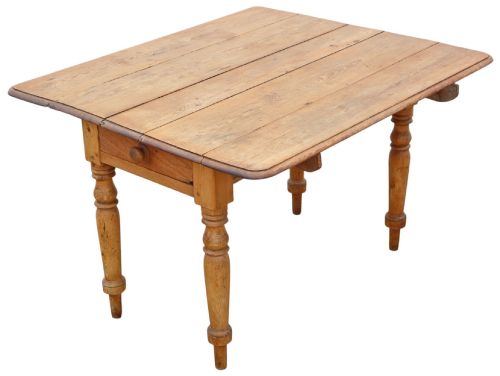
When you search for a pine folding table, you find versatile items spanning the nineteenth century, nineteen-hundred, nineteen-twenty, and the Edwardian era. These pieces include dining tables, console tables, garden tables, drop leaf tables, and occasional tables designed for flexible living.
The versions you are most likely to meet on this page range from rustic farmhouse and Scandinavian country designs to industrial pieces originating in England and France. Examples encompass painted finishes, scrubbed tops, and clever drop-leaf mechanisms that suit both compact rooms and larger country kitchens.
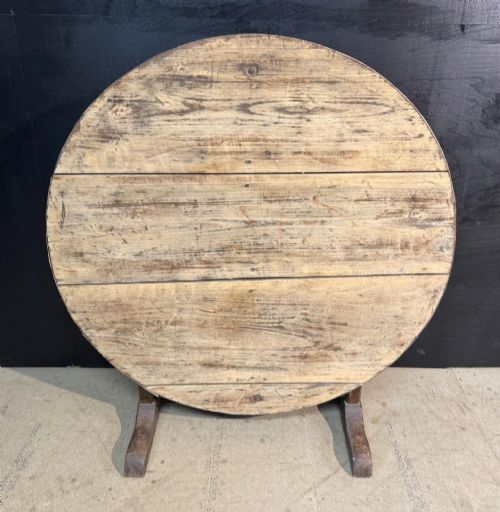
Makers and creators utilised diverse timbers alongside primary pine, incorporating oak, fruitwood, and wrought iron into structures like trestles and gatelegs. Whether configured as a French Normandy wine tasting table or an English work table, each object reflects straightforward utility.
Materials and construction methods
Construction relies heavily on solid pine for top surfaces and main leaves, often paired with fruitwood or oak for added durability in high-wear areas like kitchens and dining spaces. Iron, wrought iron, and cast-iron components appear in industrial trestle designs and garden tables, providing robust folding mechanisms and leg supports.
Surface treatments recorded in the evidence include plain scrubbed wood alongside painted wood and specific painted finishes, particularly on Swedish country pieces. Joinery accommodates the movement of timber and the stress of folding leaves, gatelegs, and drop-down mechanisms without sacrificing stability.
Some tables were built simply to hold wine glasses in French cellars, proving that even folding furniture enjoys a drink.
Assessing quality in folding tables
Quality in a pine folding table rests on the integrity of the timber selection and the precision of the folding mechanism. Superior examples integrate ironwork or wooden gatelegs that operate smoothly and lock securely into position, showing minimal play or sagging when extended.
The treatment of the surface further distinguishes the range, where untouched patination, original painted finishes, or cleanly scrubbed pine tops demonstrate better preservation. Subtle details, such as integrated drawers with clean running action and balanced proportions, separate ordinary utility items from finer workshop output.
The Pine Folding Table Glossary
- Drop leaf table
- A table with a fixed central section and hinged flaps that fold down when not in use. These flaps are supported by swing-out legs or brackets.
- Gateleg table
- A drop leaf table where the legs swing out like a gate to support the raised leaves. This design provides sturdy support for larger dining surfaces.
- Slagbord
- A traditional Scandinavian folding or drop-leaf table style often associated with country interiors. The term refers to specific regional forms of trestle or gateleg tables.
- Trestle work table
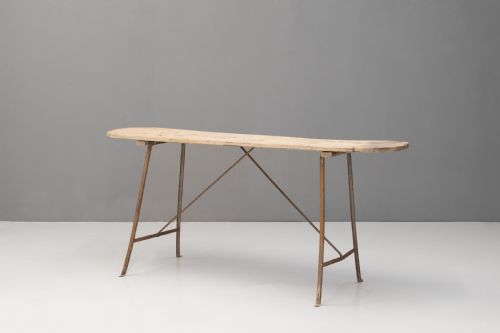
- A utility table supported by trestles rather than four corner legs, allowing maximum legroom and easy dismantling or folding. Iron and timber versions appear frequently in industrial contexts.
- Scrubbed pine
- A finish achieved through repeated washing and scouring of softwood surfaces, leaving a clean, pale timber grain free from varnish or heavy paint.
Pine Folding Table: Frequently Asked Questions
What makes a pine folding table practical for modern homes?
These tables provide generous surface area when needed while folding down compactly to save floor space in smaller rooms. Their adaptable forms suit dining, working, or occasional use.
Built from robust timbers, they handle daily tasks easily and fit comfortably into rustic, country, or industrial interior schemes.
How do I care for a painted pine folding table?
Keep painted surfaces clean by wiping them gently with a soft, slightly damp cloth, avoiding harsh chemical cleaners that might strip the finish. Protect the wood from excess moisture and direct heat sources.
Applying a light wax occasionally helps nourish older paintwork and preserves the character of the timber beneath.
Where were these folding tables originally used?
Many examples served utilitarian roles in farmhouses, workshops, and kitchens where flexible furniture was essential for daily labour. Others functioned in domestic dining rooms or outdoor garden spaces.
Regional variations reflect the specific domestic and agricultural habits of England, France, and Sweden during the nineteenth and early twentieth centuries.
How do I distinguish between regional styles?
Swedish and Scandinavian pieces often feature lighter painted finishes or characteristic drop-leaf mechanisms like the slagbord. English and French items tend to showcase exposed pine, fruitwood accents, or heavy iron industrial trestles.
Examining the construction methods and hardware helps connect a piece to its likely country of origin.