

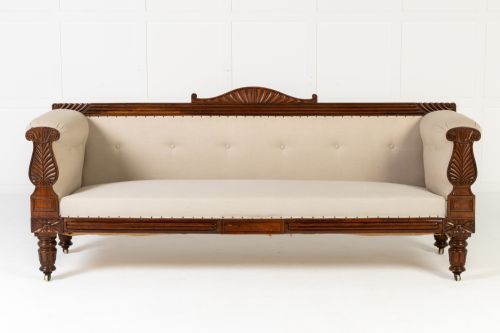


Period Wood Bench
A period wood bench brings enduring warmth and historic character to a hallway, bedroom or garden.
Period Wood Bench
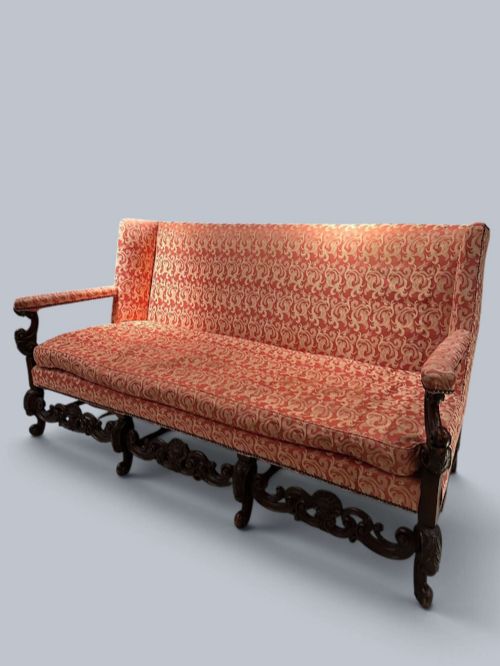
A period wood bench encompasses a variety of antique seating forms, ranging from garden benches and window seats to hall benches and daybeds spanning the seventeenth through the early twentieth centuries. These items serve both functional and decorative roles, often featuring carved details or painted finishes.
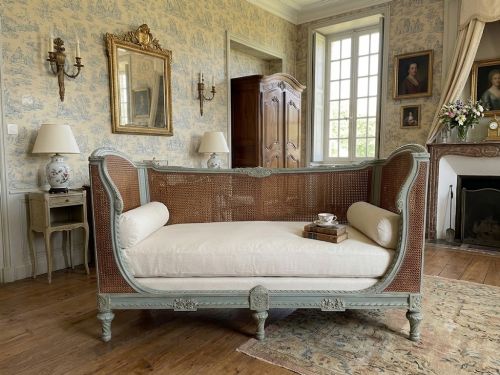
The selections available here lean heavily towards nineteenth-century examples and continental styles, including French Louis XVI and Regency designs alongside rustic garden pieces. Buyers encounter various timber types and upholstered or caned frames that reflect the aesthetic preferences of their respective eras.
How they were made
Cabinet makers utilised traditional hardwoods such as mahogany, walnut and oak, shaping structural elements with hand tools and joinery techniques appropriate to each period. Frames often incorporate turned legs, carved arms and pegged joints to ensure stability.
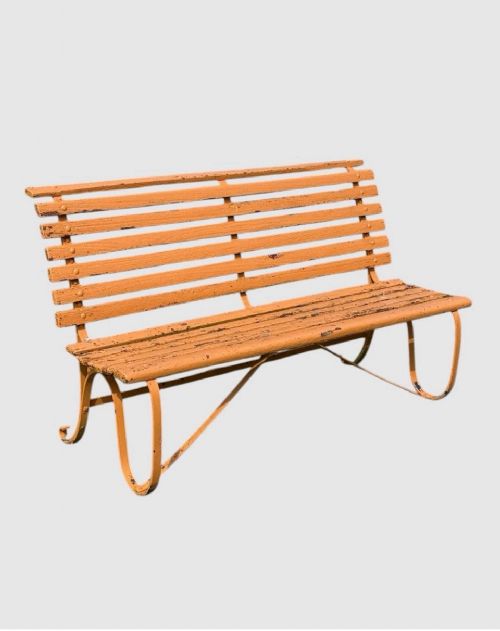
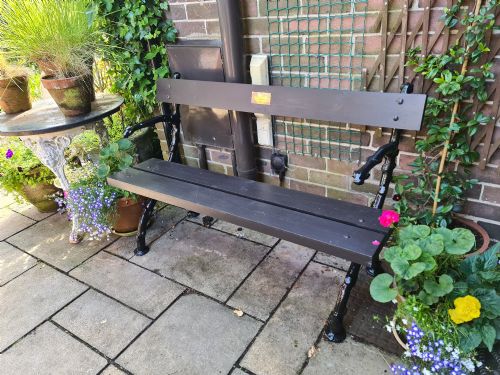
Surface treatments vary from polished wood finishes to giltwood and painted decoration, sometimes complemented by cane panels, hessian webbing or fabric upholstery. Garden pieces frequently combine timber slats with cast-iron supports for outdoor durability.
Period Wood Bench Retail Price Guide 2026
Typical asking prices for period wood bench among the pieces listed under this phrase on Sellingantiques today, from the lower quarter to the upper quarter. They describe what is for sale here now, not the wider market.
Materials represented across the selection include mahogany, walnut, oak, giltwood, cast iron, cane, hessian and assorted fabrics.
What varies in quality
Quality in these pieces depends upon the crispness of the carving, the integrity of the timber framing and the preservation of original surface finishes. Finer examples display meticulous attention to proportion and detail in their stylistic references.
The condition of secondary elements, such as cane webbing or structural joints, influences the overall integrity of the piece. Superior craftsmanship remains evident in the seamless integration of decorative flourishes with robust construction.
I.M. Gillows of Lancaster
The Period Wood Bench Glossary
- Canapé
- An upholstered French sofa or settee, typically featuring an exposed wooden frame. These pieces often showcase stylistic traits of the Louis periods.
- Giltwood
- Timber treated with gold leaf or a gold-coloured metallic finish. This technique highlights carved ornamentation on formal seating.
- Regency
- A British design period spanning the early nineteenth century, noted for classical restraint and influences from ancient Rome and Greece. Furniture from this era often utilises dark hardwoods like mahogany and rosewood.
- Joint Stool
- An early form of wooden seating constructed with pegged mortise and tenon joints rather than traditional upholstery. These sturdy items date back to the seventeenth century and earlier.
- Window Seat
- A long bench designed specifically to fit within the recess of a bay or window. These pieces frequently feature scrolled arms and upholstered cushions.
Period Wood Bench: Frequently Asked Questions
How do I use a period bench at home?
A period wood bench works effectively in an entrance hall for sitting while changing shoes, or positioned at the foot of a bed in a principal bedroom. Window seats fit neatly into alcoves to create quiet reading spots.
For outdoor settings, cast-iron and wood garden benches provide durable seating that weathers naturally in a courtyard or lawn environment.
How do I distinguish between Regency and Victorian pieces?
Regency seating typically exhibits clean classical lines, subtle classical motifs and sophisticated use of rosewood or mahogany. These designs often reflect the early nineteenth-century fascination with ancient Greek and Roman forms.
Victorian pieces generally display heavier proportions, more exuberant carving and a broader revival of historical styles including Rococo and Gothic influences.
What maintenance do antique wooden benches require?
Preserving antique wood involves keeping pieces away from direct heat sources and sudden humidity changes that can cause timber to split. Regular dusting with a soft, dry cloth maintains the finish.
Painted or gilt surfaces need gentle care without abrasive cleaning agents, while caned panels benefit from occasional light hydration to prevent brittleness.
Are painted finishes on these benches original?
Painted finishes on continental seating styles, such as French provincial or Gustavian pieces, can range from original historic layers to later decorative applications. Examining the wear patterns and underlying timber helps determine the age of the paint.
Many period items were refreshed in subsequent decades to match evolving interior decoration trends while retaining their core structural form.