





Period Vanity Desk
A period vanity desk combines a personal dressing station with a compact writing surface, offering refined storage for grooming items and daily correspondence.
Period Vanity Desk
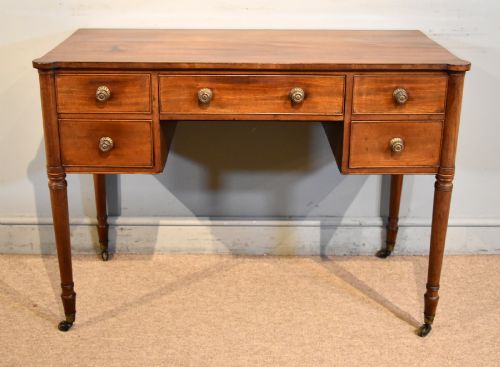
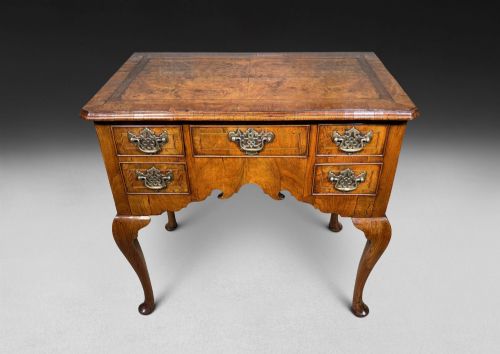
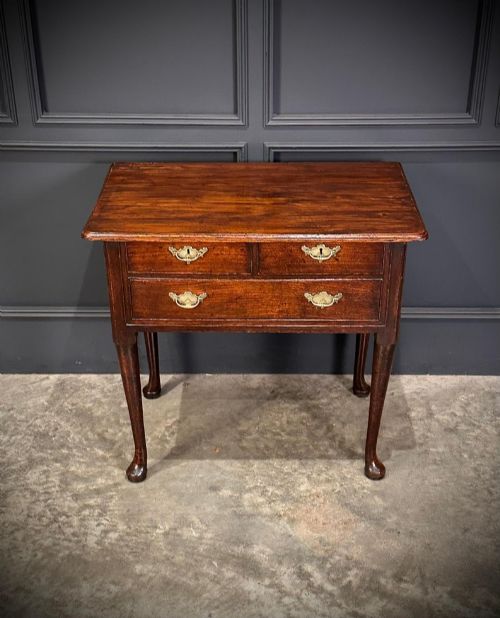
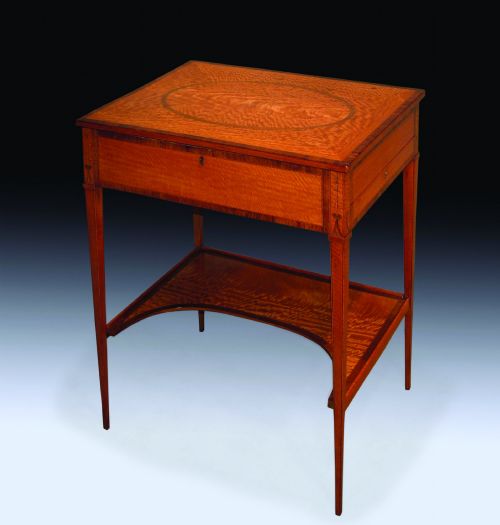
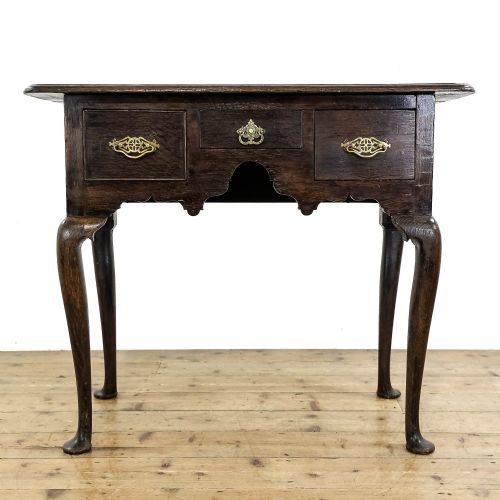
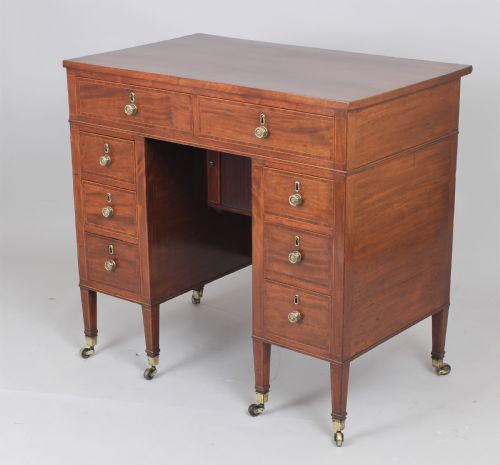
A period vanity desk appears primarily in forms such as dressing tables, lowboys, kneehole dressing tables, and writing tables spanning the eighteenth and nineteenth centuries. Examples range from eighteenth-century oak and walnut lowboys to Georgian and Regency mahogany pieces with fitted drawers and gallery surrounds.
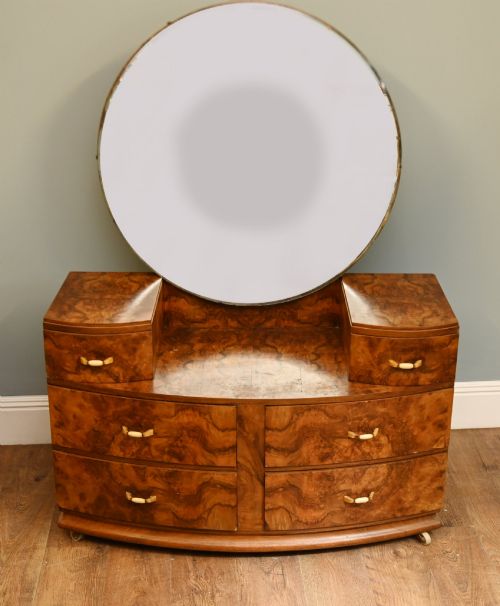
Later expressions include Edwardian satinwood dressing tables, Victorian pieces influenced by the Aesthetic Movement, and Art Deco Burr Walnut designs from the nineteen thirties. These items frequently overlap with occasional tables, dressing chests, and compact writing desks.
Origin and regional variety emerge through pieces like Swedish painted writing tables, French Empire mahogany dressing tables, and Japanese hardwood desks from the late nineteenth century. Such diversity allows a buyer to select anything from a simple eighteenth-century oak table to a fitted Sheraton satinwood piece.
Materials and construction
Makers utilised primary timbers such as mahogany, oak, walnut, burr walnut, and satinwood, frequently enhanced by marquetry, inlay, and decorative veneers. Brass hardware and glass elements appear across multiple periods to complement these timber surfaces.
Specialised construction includes fitted top drawers, three-quarter gallery surround upstands, concave fronts, and kneehole compartments designed for practical use. Artisans also applied painted finishes and faux bamboo detailing on specific regional and nineteenth-century variants.
A child's dressing table in faux bamboo and bird's-eye maple proves that miniature grooming stations were taken very seriously.
Evaluating craftsmanship and condition
Quality rests in the selection of figured timbers, such as burr walnut and figured mahogany, matched with precise inlay, marquetry, and joinery. Superior examples maintain original hardware, intact gallery surrounds, and properly fitted internal drawer configurations.
Provenance and stylistic purity distinguish finer pieces, from George II proportions to documented Regency pieces. Construction integrity across the drawer linings and secondary timbers further separates standard utilitarian items from master cabinetmaker production.
Hepplewhite·Chippendale
The Period Vanity Desk Glossary
- Lowboy
- A small oak, walnut, or mahogany table with drawers, commonly used as a dressing table or side table during the eighteenth century.
- Kneehole dressing table
- A form featuring a central recess for the legs, flanked by banks of small drawers and often finished with a raised gallery back.
- Bonheur du jour
- A light lady's writing desk featuring a tiered superstructure with small drawers, pigeonholes, or a cabinet above the main writing surface.
- Marquetry
- Decorative veneer work formed by fitting together small pieces of coloured wood, ivory, or shell to create pictorial patterns on the surface.
- Gallery surround
- A low raised border around the top edge of a table or desk designed to prevent items from rolling off the surface.
Period Vanity Desk: Frequently Asked Questions
How were period vanity desks originally used?
These tables served primarily for morning grooming rituals, housing mirrors, cosmetics, and small personal items within fitted drawers.
Over time, many functioned equally for writing letters, bridging the purpose of a dressing table and a compact writing desk.
How do I distinguish between an 18th-century lowboy and a later dressing table?
Eighteenth-century lowboys typically feature pegged mortise and tenon joints, native timbers like oak or walnut, and simpler structural lines.
Later nineteenth-century and Edwardian dressing tables often incorporate secondary deal framing, machine-cut dovetails, and more elaborate veneering techniques.
Can I use a period vanity desk as a modern writing desk?
Many kneehole dressing tables and writing tables offer sufficient surface depth and knee clearance for contemporary laptop or notebook use.
Buyers should verify the clearance height beneath the central drawer or knee recess before daily use as a workspace.
What maintenance do antique wood surfaces require?
Timber surfaces respond best to occasional cleaning with a soft cloth and natural wax finishes to preserve the patina.
Direct sunlight and fluctuating indoor humidity should be avoided to prevent timber movement and veneer lifting.