


Period Timepiece
A period timepiece gathers the hours in brass, bronze, and mahogany, offering a tactile anchor of historical craftsmanship for the desk or wall.
Period Timepiece
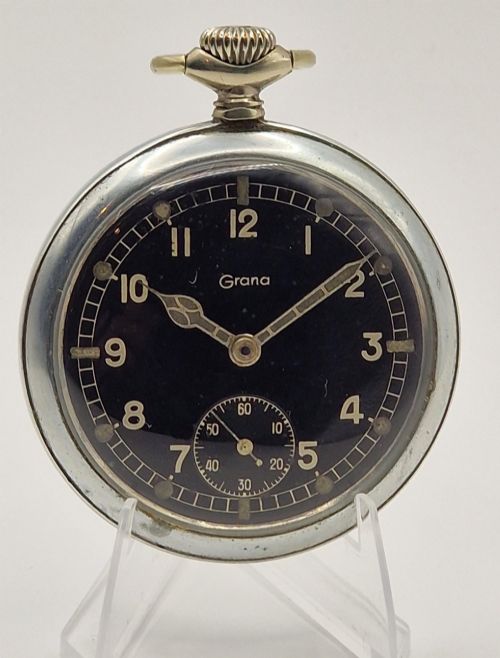
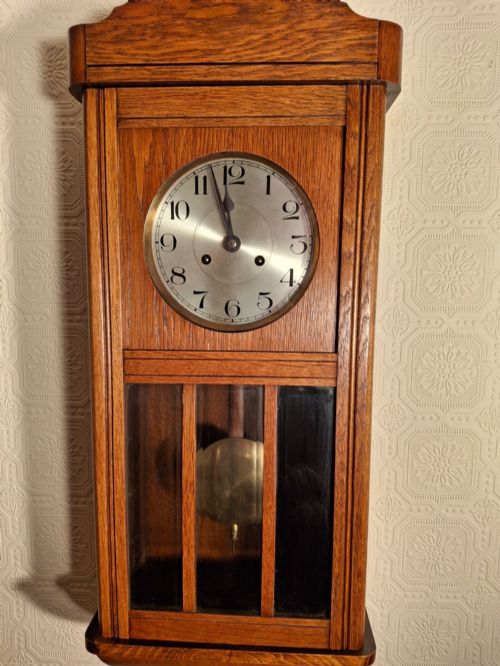
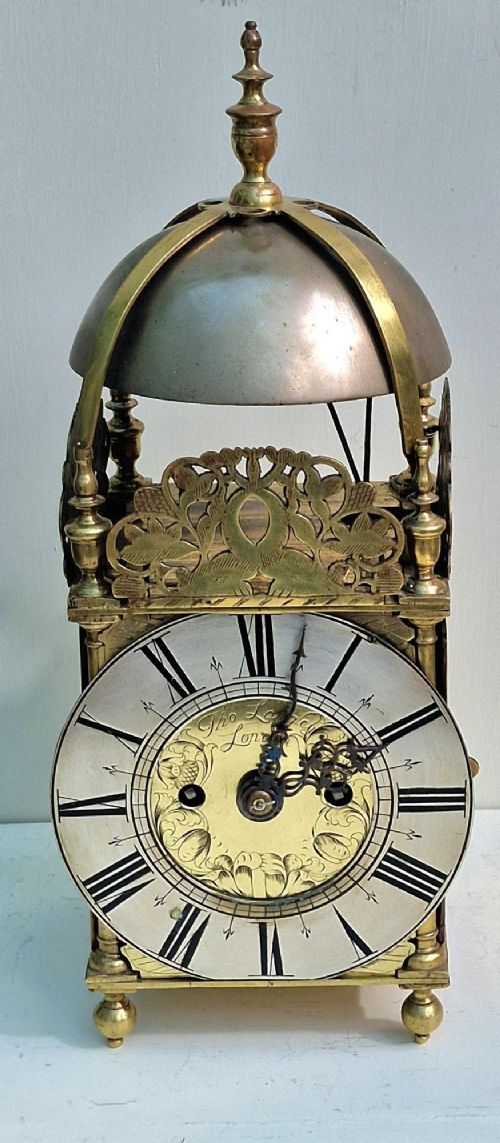
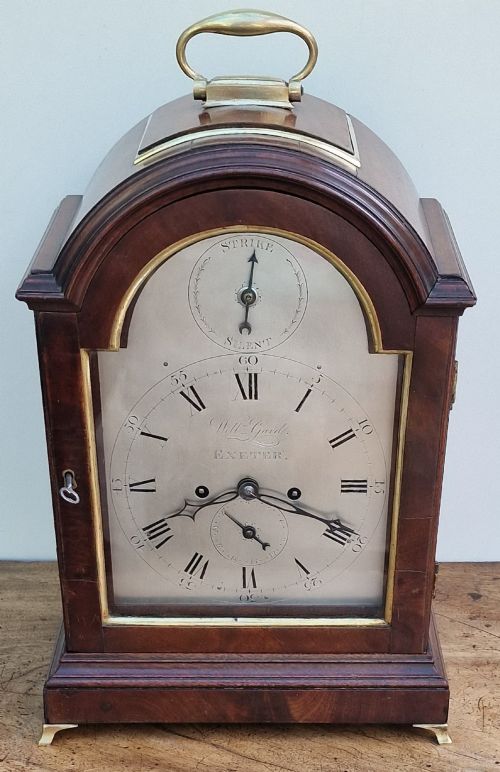
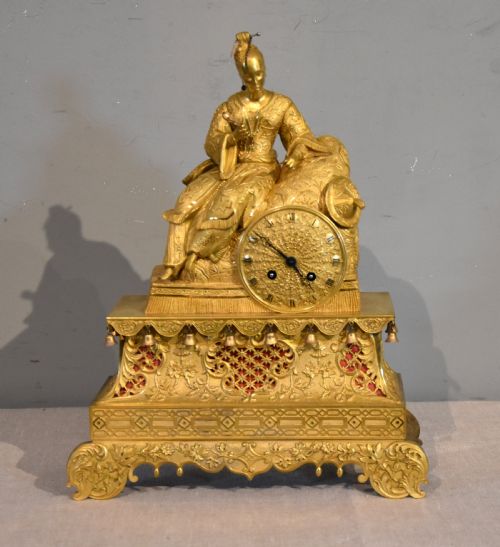
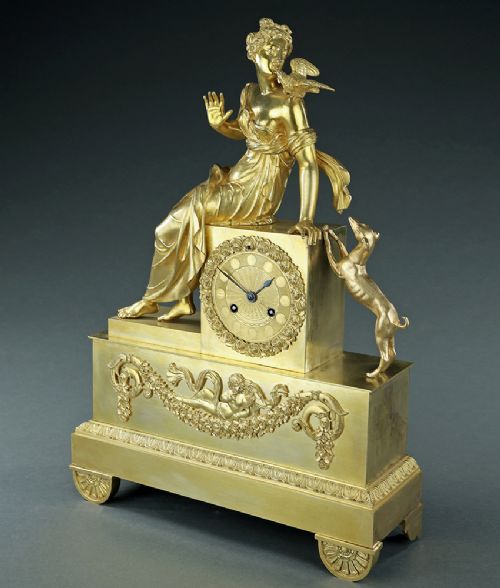
When you search for a period timepiece, you encounter a diverse range of horological instruments spanning centuries of domestic and institutional life. The selection here leans heavily towards nineteenth-century French ormolu mantel clocks and refined Regency bracket clocks, alongside seventeenth-century English lantern clocks and mid-twentieth-century military pieces.
Forms vary from substantial mahogany bracket clocks driven by fusee movements to delicate wall-hung cartel clocks and portable pocket watches. These items served both practical timekeeping and decorative roles in historic interiors, reflecting the prevailing aesthetic tastes of their respective eras from French Empire to Arts and Crafts.
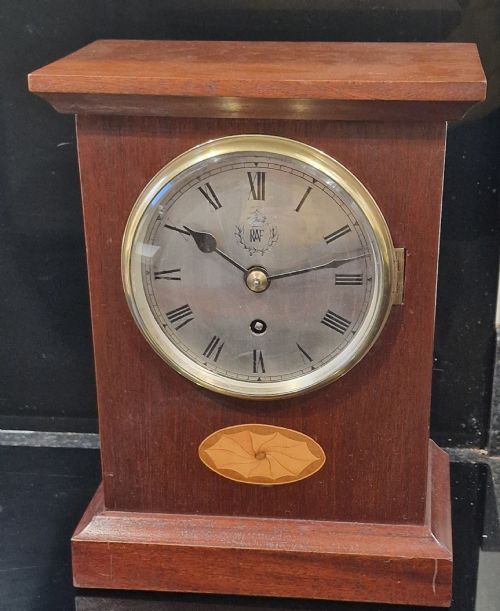
Buyers meet everything from monumental bronze figural mantel clocks featuring classical motifs to austere Royal Air Force mess clocks. Each piece records the mechanical ingenuity and design vocabulary of its maker, bridging functional utility with sculptural art.
How They Were Made
The construction of these pieces relies heavily on cast and chased ormolu, gilt bronze, and patinated bronze, often paired with dense cabinet timbers such as mahogany and rosewood. Metal components were meticulously cast, fire-gilded, and hand-finished to create high-relief figural scenes and architectural cases.
Movement assembly involved intricate brass gear trains, fusee or spring-driven mechanisms, and often verge or anchor escapements that required precise hand-adjustment by skilled horologists. Dials incorporated enamelled cartouches or engraved brass plates, protected by curved glass bezels set within heavy metal bezels.
Cabinetmakers constructed wooden cases using traditional joinery, integrating brass inlay, fire-gilded mounts, and carved details that complemented the sophisticated mechanical works housed within.
Listings feature brass, glass, ormolu, mahogany, and patinated bronze across periods ranging from the seventeenth century to the mid-twentieth century.
What Varies in Quality
Quality in these pieces is dictated by the crispness of the bronze casting, the depth and durability of the original fire-gilding, and the architectural proportion of the case. Superior examples display sharply chiselled details in the metalwork and harmonious integration between the sculptural ornaments and the functional clock face.
Mechanical sophistication also separates standard productions from exceptional works, visible in the complexity of the fusee movement, the presence of striking complications, and the signed pedigree of renowned London or Parisian makers. The integrity of the dial enamel and the original finish of the timber case further distinguish higher-tier horology.
Thomas Langley·William Gard·Peter Closon·Paul Garnier·William Hardy·FB Adams·Baetens
The Period Timepiece Glossary
- Fusee
- A conical pulley used in clock and watch movements to maintain an even pull on the gear train as the mainspring unwinds. This mechanism ensures consistent timekeeping accuracy throughout the power reserve.
- Ormolu
- Finely ground high-carat gold mercury-gilded onto a bronze object. The technique creates a durable, luminous golden finish characteristic of luxury decorative arts.
- Lantern clock
- An early form of domestic brass weight-driven clock designed to be hung on a wall or placed on a bracket. They represent some of the earliest portable domestic timekeepers in England.
- Cartel clock
- A wall clock mounted in an ornate frame made of metal, carved wood, or gilt bronze. These pieces were particularly popular in French rococo and neoclassical interiors.
- Verge escapement
- An early type of escapement mechanism that controls the speed of the gear train using a crown wheel and a pivoted rod with pallets. It is commonly found in seventeenth-century English clocks.
Period Timepiece: Frequently Asked Questions
Where were mantel clocks placed in historic homes?
These clocks typically occupied the centre of a drawing room mantelpiece, flanked by decorative garnitures or candelabra.
They served as both functional timekeepers and status symbols for hosting visitors in formal reception rooms.
How do I tell a Regency bracket clock apart from a Georgian one?
Regency clocks often feature bolder brass inlay, rosewood veneers, and more pronounced classical architectural motifs.
Georgian predecessors generally rely on understated mahogany cases with simpler bracket feet and more restrained brass mounts.
Can these antique timepieces run accurately today?
Most mechanical clocks from these periods can maintain reliable time when properly serviced and adjusted by a professional horologist.
Environmental stability, such as avoiding extreme temperature fluctuations, helps preserve their delicate gear trains.