




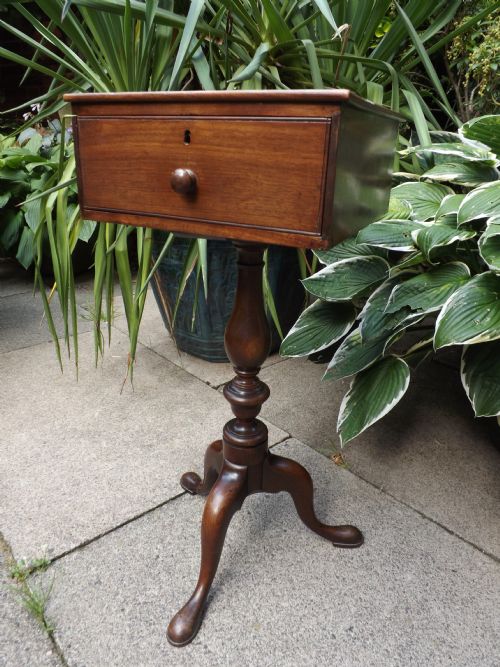


Period Sewing Table
A period sewing table brings ingenious compartments and refined joinery into a room, serving as a functional piece of furniture with a distinct domestic history.
Period Sewing Table
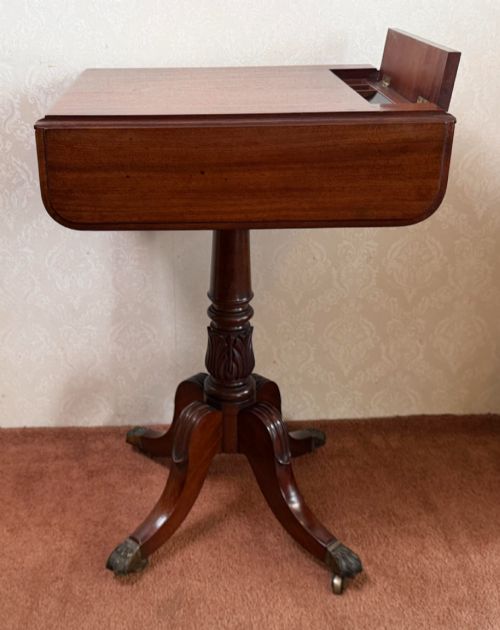
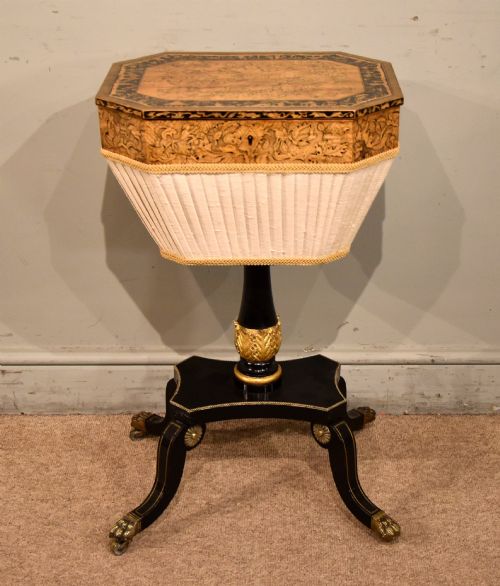
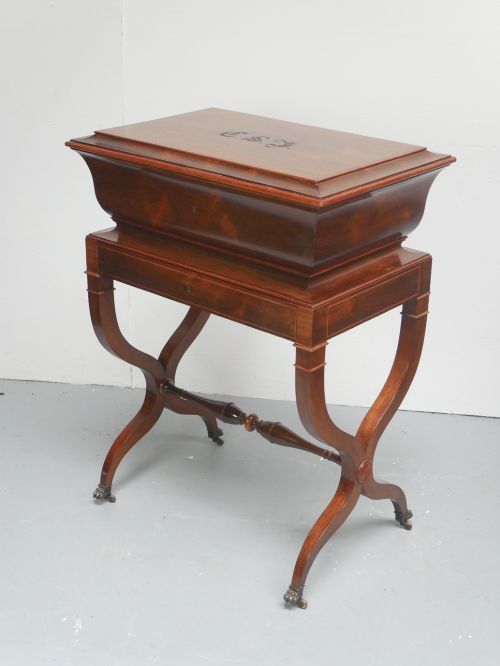
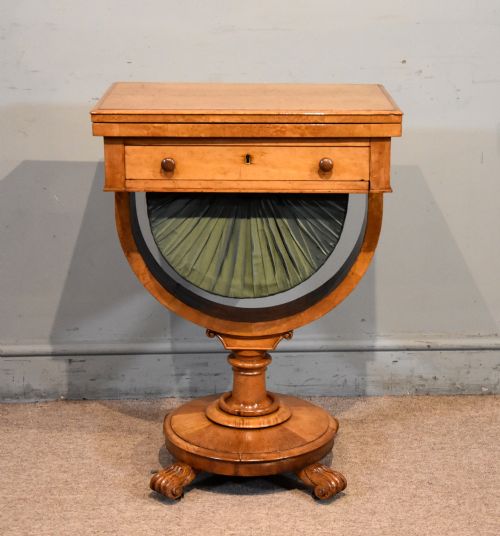
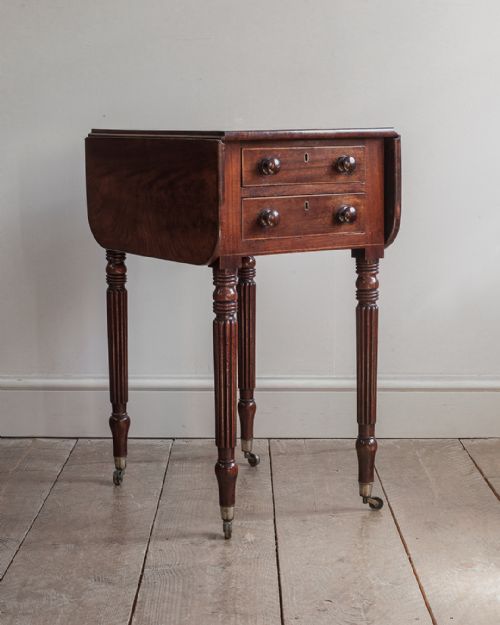
A period sewing table is a specialised item of furniture designed for needlework and small domestic crafts, frequently equipped with drop leaves and fitted interior compartments. You will encounter these versatile pieces across several centuries, with a strong representation from the Regency and Georgian eras alongside occasional examples from the eighteenth and nineteenth centuries. These tables often double as work tables, occasional tables, or writing surfaces, reflecting the multifaceted daily pursuits of their original owners.
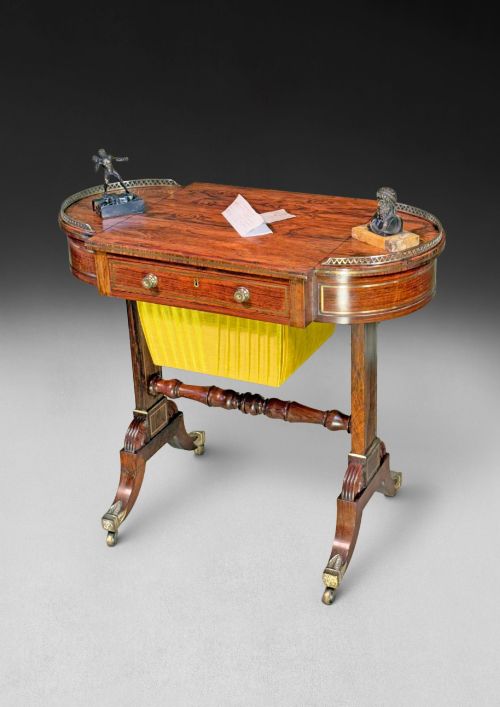
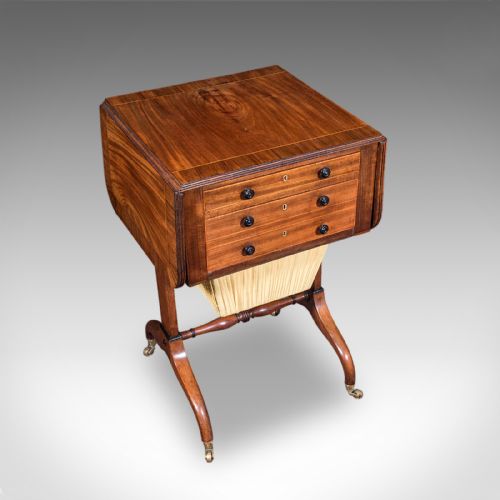
The versions most common on this page date to the Regency period and are fashioned from rich timbers like mahogany and rosewood. They frequently feature hinged lids, drawers, and under-slung fabric bags designed to hold silks, cottons, and sewing implements. Their scale remains relatively compact, making them adaptable as side tables or lamp tables in contemporary rooms while retaining their original utility.
How period sewing tables were made
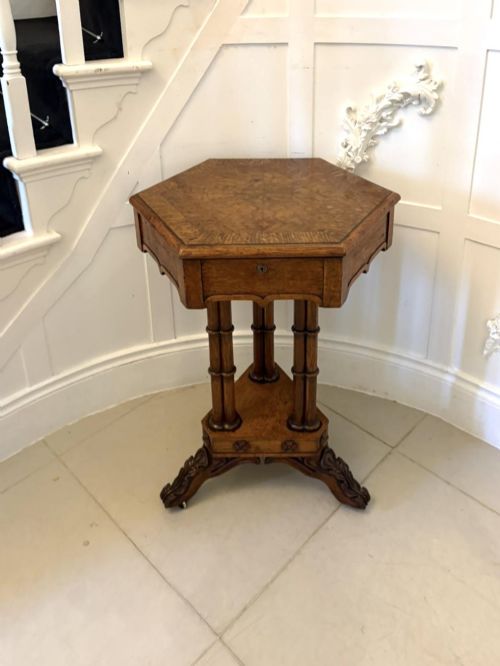
Cabinet makers constructed these tables using dense hardwoods such as mahogany and rosewood, often enhanced with contrasting veneers like pollard oak, boxwood, and specimen wood inlays. Craftspeople incorporated delicate brass stringing and intricate penwork decoration to enrich the polished timber surfaces. Structural elements frequently included drop flaps supported by rule joints and turned or carved pedestals resting on tripod bases.
The interiors demanded meticulous joinery to create compartmentalised boxes, lift-top sections, and slide-out trays for needles and threads. Where fabric was utilised, such as in silk or cotton work bags suspended beneath the drawer, fine gathering and pleating techniques were employed. Metal components like brass handles, inlay, and castors provided both structural reinforcement and decorative contrast to the dark woods.
Period Sewing Table Retail Price Guide 2026
Typical asking prices for period sewing table among the pieces listed under this phrase on Sellingantiques today, from the lower quarter to the upper quarter. They describe what is for sale here now, not the wider market.
Listings feature woods including rosewood, mahogany, pollard oak, and maple, paired with silk and fabric components.
What varies in quality
Quality in these tables rests heavily on the choice of timber figure and the precision of the cabinet work. Finer examples display highly figured rosewood, burr ash, or pollard oak with sharply executed brass inlay, whereas simpler pieces rely on plain mahogany with minimal embellishment. The crispness of carved details on pedestals and the tightness of veneer joints distinguish workshop standards.
The complexity of the interior fittings also marks the graduation from standard utility to superior craftsmanship. Tables featuring elaborate penwork, multi-compartment internal trays, and integrated games boards demonstrate a higher level of bespoke design. Furthermore, the harmonious proportion of the drop leaves to the central carcase dictates the visual success of the piece.
Gillows of Lancaster·John MaClean·Lesage
The Period Sewing Table Glossary
- Drop leaf
- A table with hinged flaps on the sides that can be raised to extend the surface area or lowered when space is limited. This mechanism allows the table to adapt easily to different room layouts.
- Work table
- A nineteenth-century term for a small table containing drawers and a fabric bag for holding sewing materials. These pieces were essential items for domestic needlework and crafts.
- Penwork
- A decorative technique using ink applied to wood to create intricate linear patterns and motifs. It mimics more costly inlay work through skilled hand-drawn illustration.
- Pollard oak
- Oak timber taken from pollarded trees, yielding a dense wood with a highly figured, clustered grain pattern. Cabinet makers valued this material for its distinct decorative appearance on table tops and panels.
- Compendium table
- A multi-purpose piece designed to house various pastimes or duties, such as sewing, writing, or gaming. These tables contain complex internal arrangements of trays and compartments.
Period Sewing Table: Frequently Asked Questions
What is a period sewing table used for today?
These tables function well as side tables, lamp tables, or bedside surfaces in modern interiors. Their internal compartments remain useful for storing small desk items or craft supplies.
The compact footprint allows them to fit easily beside a sofa or in a hallway. They bring warmth and historical character to a room while serving practical needs.
How do I tell a Regency sewing table from a Georgian one?
Regency examples often display bolder use of rosewood, brass inlay, and classical pedestal bases influenced by French and classical design. Georgian pieces tend to favour straight mahogany grains, simpler tripod supports, and more restrained Sheraton or Chippendale proportions.
Examining the turning of the legs and the style of the wood veneers helps pinpoint the era of manufacture. Details like penwork decoration also point firmly towards the early nineteenth century.
Can I use a period sewing table as a desk?
Certain models feature dedicated writing slides or fitted top drawers with leather inserts designed for correspondence. However, most sewing tables are relatively low and compact compared to traditional writing desks.
They work well for light notebook use or writing letters, provided the knee clearance beneath the drawer suits your seating.