



Period Pendant Light
A period pendant light brings functional illumination and distinct historical character to a room, drawing the eye upward.
Period Pendant Light
When you search for a period pendant light, you encounter hanging luminaires originating from the nineteenth and early twentieth centuries, spanning Victorian, Edwardian, Art Deco, and Arts and Crafts styles. These fixtures descend from ceilings to light rooms, halls, and stairwells.
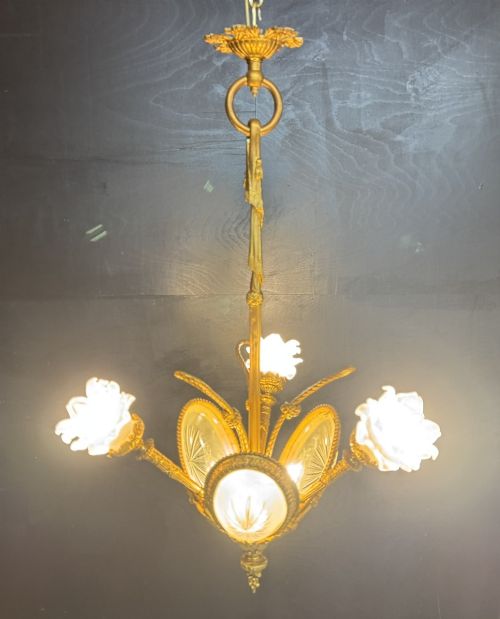
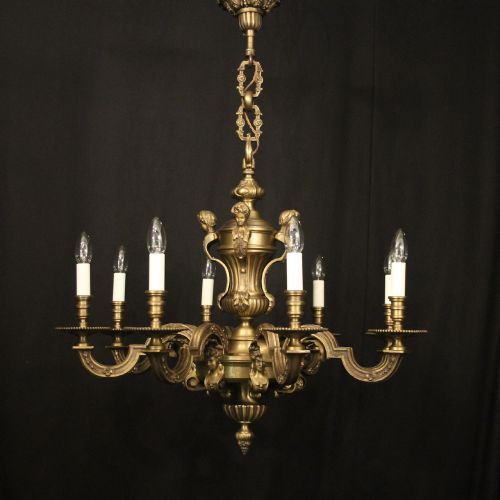
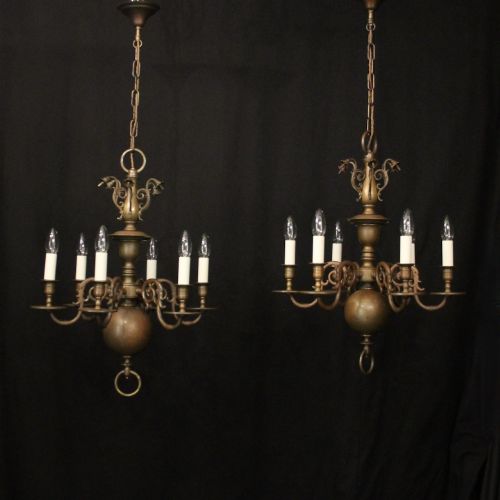
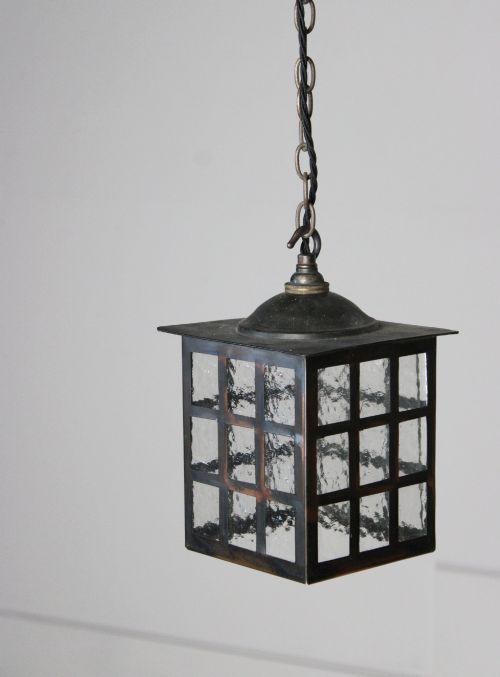
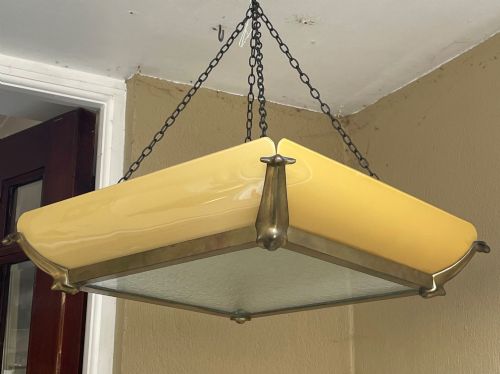
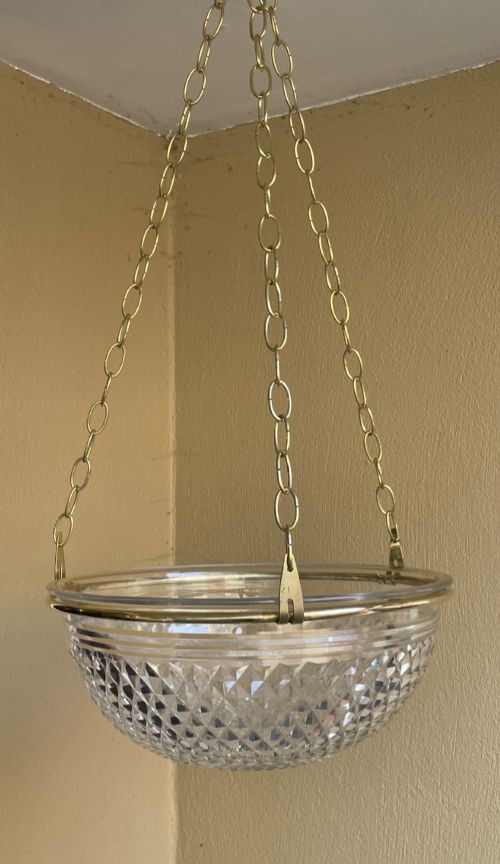
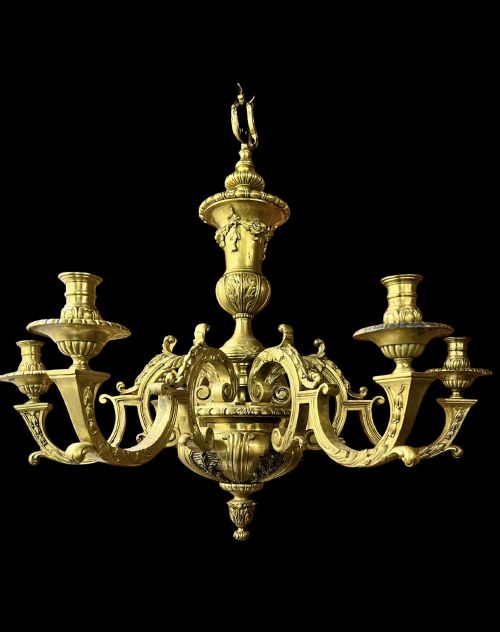
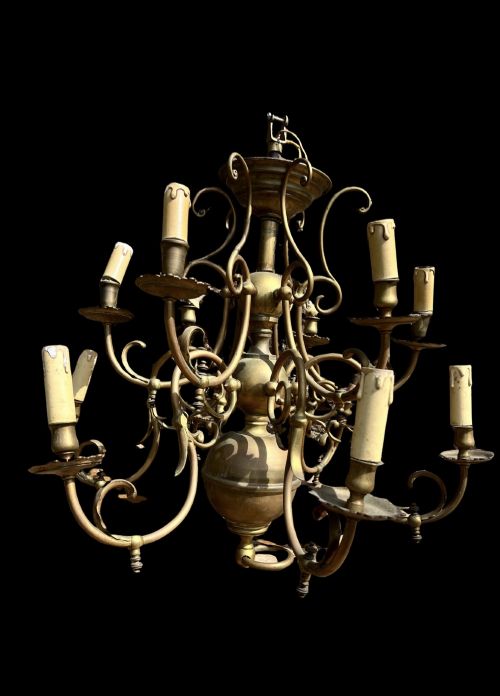
The selections you meet most frequently on this page include brass hall lanterns, multi-armed chandeliers, and glass plafonniers from the Edwardian era and the 1930s. Pieces range from simple copper lanterns to grand French gilded bronze and crystal configurations.
Originating across England and France, these fittings reflect design movements such as Gothic Revival, French Rococo, and French Neoclassical. They serve as primary overhead sources that define the period aesthetic of an interior.
Materials and construction
Metals form the structural backbone of these fixtures, with brass, cast brass, gilded bronze, ormolu, copper, and bronze utilised extensively for frames, arms, and ceiling roses. Smiths and founders employed casting, forging, and gilding techniques to shape and finish the metalwork.
Glass elements, including cut glass, crystal, and frosted panels, complement the metal frames to diffuse or refract light. Artisans cut and polished these glass components by hand, securing them into metal cages or hanging them as drops.
Period Pendant Light Retail Price Guide 2026
Typical asking prices for period pendant light among the pieces listed under this phrase on Sellingantiques today, from the lower quarter to the upper quarter. They describe what is for sale here now, not the wider market.
An old decorative green man copper lantern glowers down from the ceiling with leafy mythological defiance.
What separates the best from the rest
The distinction between standard and superior pieces lies in the crispness of the casting and the depth of the metal finish, whether gilded bronze or polished brass. Finer examples display meticulous hand-chasing on metal mounts and heavy gauge materials that maintain structural integrity.
Quality also manifests in the clarity and weight of the glass or crystal components, where superior refraction and hand-cut facets distinguish high-end chandeliers and lanterns from simpler utilitarian lighting.
F&C Osler·G.E.C
The Period Pendant Light Glossary
- Ormolu
- A technique of applying finely ground, high-carat gold to a bronze object using a mercury amalgamation process. It provides a rich, durable golden surface on decorative mounts.
- Gasoliere
- A branching light fitting originally designed and piped for coal gas illumination before the widespread adoption of electricity. Many survivors undergo conversion for modern electric bulbs.
- Ceiling rose
- A decorative circular moulding or plaque fixed to the ceiling from which a pendant light or chandelier hangs. They provide a finished architectural transition between the ceiling and the suspension hardware.
- Cage chandelier
- A chandelier design where the internal framework resembles an open metal cage supporting numerous glass drops and candle arms. This structural format became popular in French lighting design.
Period Pendant Light: Frequently Asked Questions
What is a period pendant light?
A period pendant light is an antique or vintage hanging ceiling fixture originating from eras such as the Victorian, Edwardian, or Art Deco periods. These items include lanterns, chandeliers, and single-bulb drops made of materials like brass, bronze, and glass.
They were originally designed to illuminate domestic interiors using candles, gas, or early electricity, and now serve as central overhead lighting in period-restored homes.
How do I hang a heavy brass chandelier?
Hanging a heavy brass or bronze chandelier requires securing the weight directly to the ceiling joist or a structural block rather than relying solely on plaster. Professional installation ensures the ceiling rose and hanging hardware safely support the mass of metal and glass.
Adjusting the chain or rod length allows the fixture to hang at the correct height for the room dimensions and traffic flow below.
Can antique lights use modern bulbs?
Most antique pendant lights and chandeliers accept modern LED or incandescent bulbs once they are safely rewired to current electrical standards. Electricians update the internal wiring and bulb holders while preserving the original exterior metalwork and glass components.
Choosing low-heat LED bulbs helps protect delicate vintage materials like frosted glass and historical lacquer finishes from thermal damage.
How do I identify an Edwardian light fitting?
Edwardian light fittings often combine polished brass, silver plating, or bronze with cut glass shades and clean, elegant proportions. The designs frequently reflect a transition from Victorian heaviness to lighter, refined aesthetics inspired by neoclassical and arts and crafts movements.
Signatures or attributions to makers like F&C Osler or G.E.C sometimes appear on these fixtures, aiding in exact period identification.