

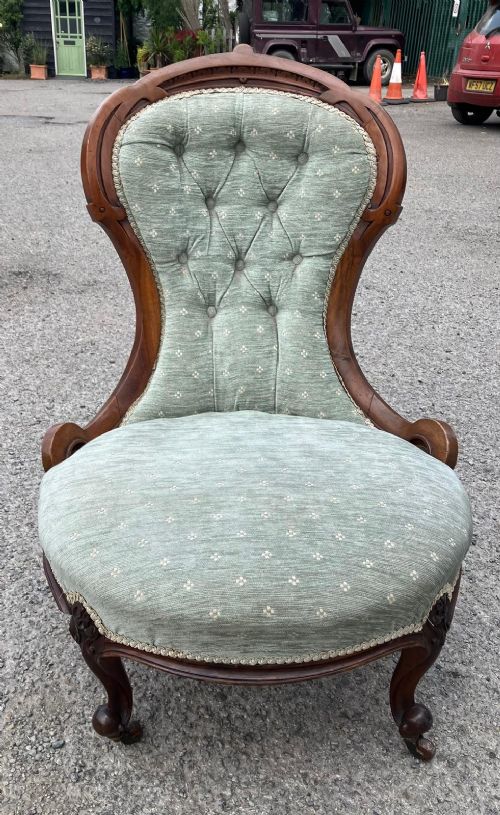


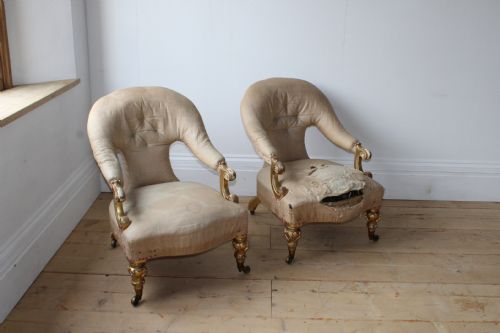


Period Low Armchair
These period low armchair options bring heritage comfort and low-slung proportion to a room, offering deep seats designed for firesides and bedrooms.
Period Low Armchair
A period low armchair sits low to the ground and spans several centuries of British seating design, from Regency examples to Victorian walnut nursing chairs and Art Deco pairs. Buyers searching for a period low armchair encounter varied timber frames and upholstered fireside seats made for relaxed posture.
The selection ranges from ash Windsor low back armchairs and elm sets to ebonised child chairs and carved walnut bedroom fireside chairs. These low-slung seats include slipper chairs, garden chairs, and bedroom chairs designed for intimate spaces.
Victorian nursing chairs and Regency slipper chairs dominate the upholstered forms, alongside ash Windsor low back armchairs built with sturdy timber frames. Each piece reflects the domestic habits of its period, prioritising comfort near the hearth or dressing room.
How they were made
Timbers such as walnut, mahogany, ash, and elm form the structural frames, often shaped with carved details or turned components. Cabinet makers and chair bodgers selected these hardwoods for strength and grain pattern.
Upholstery fabrics and textiles cover the padded seats and backs of nursing and slipper chairs, secured with traditional stuffing methods. Brass fittings appear on specific models to accent the woodwork and castors.
Period Low Armchair Retail Price Guide 2026
Typical asking prices for period low armchair among the pieces listed under this phrase on Sellingantiques today, from the lower quarter to the upper quarter. They describe what is for sale here now, not the wider market.
The inventory spans Victorian, Regency, and Art Deco periods.
What varies in quality
The distinction between standard workshop output and superior craftsmanship rests in the crispness of the timber carving and the integrity of the frame construction. Walnut and mahogany frames with refined proportion command attention over heavier, plainer builds.
Original upholstery materials and the retention of matching pairs or sets elevate the desirability of a piece. Consistency in timber grain, particularly in ash and elm Windsor variants, marks superior vernacular making.
J.Mills
The Period Low Armchair Glossary
- Nursing chair
- A low-seated Victorian chair originally designed for women to nurse infants comfortably. These pieces typically feature upholstered backs and short legs.
- Slipper chair
- An upholstered chair with low legs designed for bedrooms and dressing rooms. It allows a person to sit close to the floor while putting on shoes.
- Windsor low back armchair
- A wooden armchair featuring a low backrest and turned spindles fitted into a solid contoured seat. Ash and elm are traditional timbers for this form.
- Ebonised
- Wood stained or painted black to imitate ebony. This finish appears on nineteenth-century aesthetic movement furniture.
Period Low Armchair: Frequently Asked Questions
What is a period low armchair used for?
These low-slung seats served domestic tasks near the hearth, in bedrooms, and in nurseries where relaxed posture and modest height mattered.
Victorian examples provided comfortable seating by bedroom fireplaces or during infant care, while simpler wooden versions served general household seating.
How do I identify a Victorian nursing chair?
Victorian nursing chairs feature notably low seats and high upholstered backs designed for comfort during domestic tasks. They often utilise walnut or mahogany frames with carved details and textile coverings.
These pieces sit closer to the floor than standard parlour seating and frequently appear in pairs or single bedroom configurations.
Are Windsor low back armchairs comfortable?
Windsor low back armchairs offer supportive seating through solid elm contoured seats and steam-bent ash spindles. Their ergonomic design predates modern upholstery.
These timber armchairs provide sturdy construction and enduring support for daily use in living spaces.
How do I care for antique upholstery fabric?
Historic textiles and upholstery fabrics require gentle vacuuming with a soft brush attachment to remove dust without damaging the fibres. Direct sunlight should be avoided to prevent fading.
Professional textile conservationists can advise on deep cleaning methods that preserve the original stuffing and fabric integrity.