




Period Lounge Chair
A period lounge chair brings functional seating from earlier centuries into a modern interior, offering distinct historical character.
Period Lounge Chair
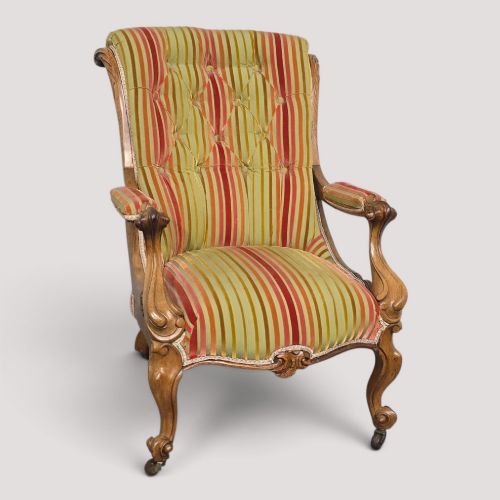
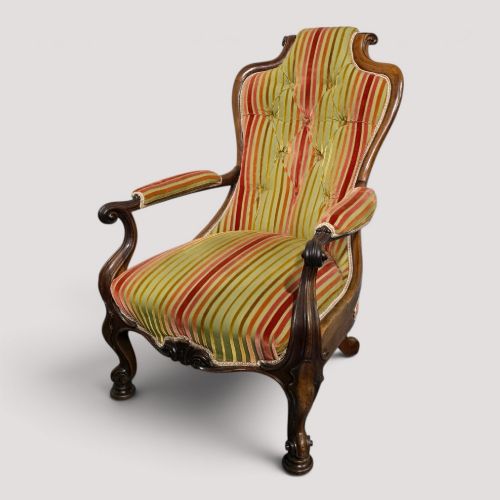
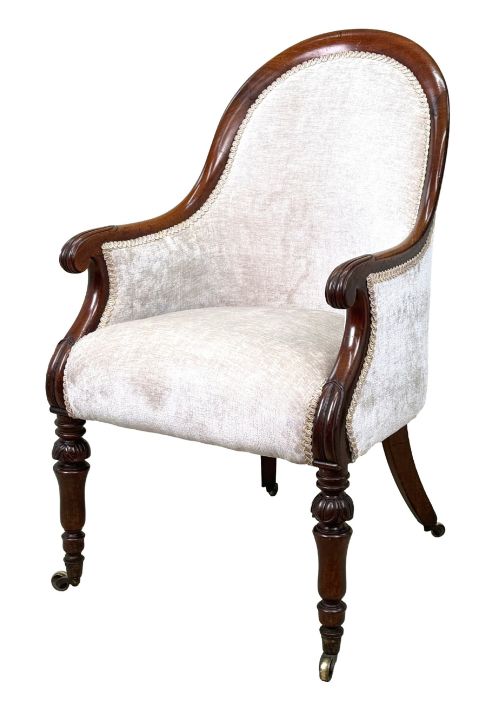
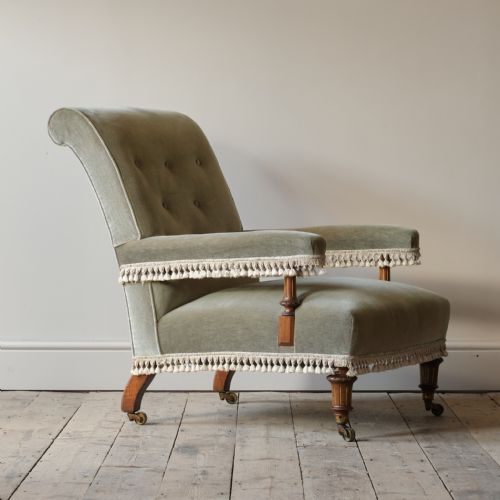
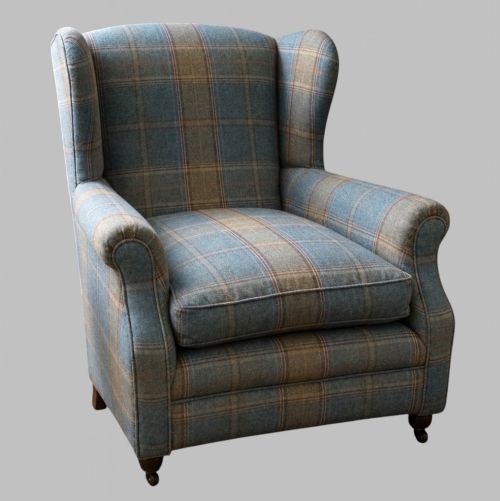
A period lounge chair encompasses various seating forms designed for relaxation across multiple historical eras, including the Regency, Victorian, and Edwardian periods. Buyers searching for a period lounge chair typically encounter armchairs, library chairs, bergères, and club chairs originating from English and French workshops.
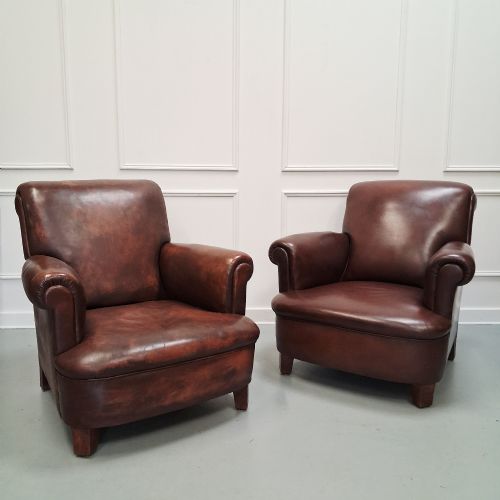
The selections available range from formal Regency rosewood library armchairs to comfortable 1930s leather club chairs and Victorian walnut framed seating. These pieces serve as functional seats while displaying the distinct aesthetic conventions of their respective decades of manufacture.
Materials and construction methods
Makers utilised solid timbers such as mahogany, walnut, rosewood, and giltwood to construct the structural frames of these chairs. Brass details occasionally appear on specific models, while traditional joinery secures the wooden components together.
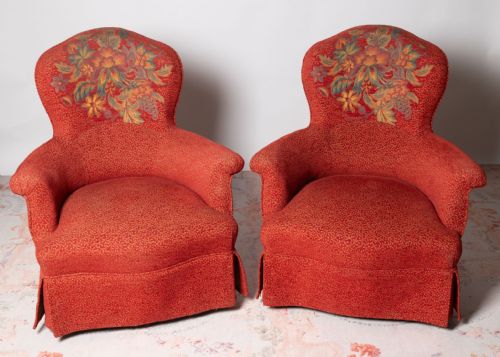
Upholstery methods involve fabrics including velvet, silk, brocade, leather, and various textiles stretched over sprung or webbed seat bases. Many pieces retain period upholstery or have undergone reupholstery using traditional fillings.
Period Lounge Chair Retail Price Guide 2026
Typical asking prices for period lounge chair among the pieces listed under this phrase on Sellingantiques today, from the lower quarter to the upper quarter. They describe what is for sale here now, not the wider market.
Listings feature seating across the 19th Century, Regency, Victorian, Edwardian, and 1930s periods, constructed from mahogany, walnut, rosewood, and brass.
Distinctions in craftsmanship and condition
Quality varies according to the precision of the timber carving, the integrity of the frame construction, and the provenance of the maker. Pieces attributed to documented workshops exhibit superior joinery and finer decorative detailing.
The condition of the timber frame and the choice of covering material influence the overall standard of the piece. Original surface patination and authentic period upholstery contribute to the integrity of the item.
Jacob-Desmalter·Gillows·J.Mills·George Smith
The Period Lounge Chair Glossary
- Bergere
- An enclosed upholstered armchair with wooden framing, originating in France. These chairs often feature cane panelling on the sides and back.
- Fauteuil
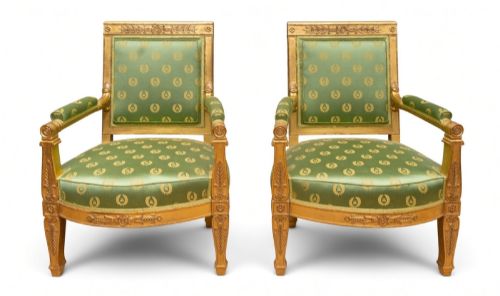
- An open-framed upholstered armchair with exposed wooden armrests, typical of French period seating. The wooden elements are frequently carved or gilded.
- Slipper chair
- A low-framed bedroom chair designed without arms, allowing ease of movement for dressing. These seats sit closer to the floor than standard armchairs.
- Giltwood
- Timber coated with a thin layer of gold leaf, commonly utilised on formal French and Regency framework. This finish provides a reflective decorative surface.
- Tub library armchair
- A seating form featuring a continuous curved back and armrest structure designed for reading rooms. These chairs offer enclosed support for extended periods.
Period Lounge Chair: Frequently Asked Questions
How do I identify a Regency armchair?
Regency armchairs typically utilise rosewood or mahogany timbers, featuring classical decorative motifs inspired by ancient Greek and Roman designs. These pieces often incorporate saber legs and brass inlay.
Library armchairs from this period focus on comfort and utility, frequently pairing dark woods with leather or upholstered seating surfaces.
What distinguishes a French bergere chair?
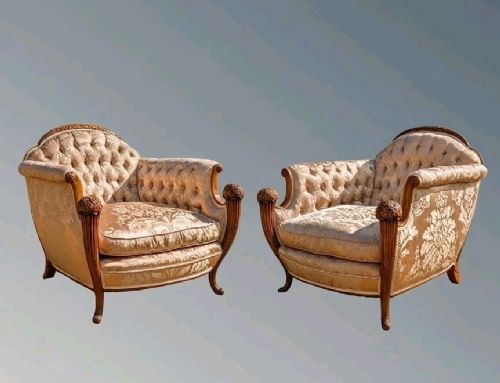
French bergere chairs are characterised by their enclosed upholstered sides and curved wooden frames. They often feature exposed walnut, giltwood, or painted finishes.
Unlike standard open armchairs, a bergere provides a solid barrier around the sides, creating a compact and enclosed seating area.
Are these chairs suitable for daily use?
Many period lounge chairs function well in contemporary living spaces, provided their internal webbing and frames remain structurally sound. Reupholstered examples often combine historical frames with modern interior fabrics.
Evaluating the seat height and depth helps determine comfort levels for daily sitting.
How do I care for antique wood frames?
Maintaining wooden frames involves dusting with a soft cloth and avoiding exposure to direct sunlight or fluctuating humidity. Protective waxes help preserve the original finish of mahogany and walnut.
Harsh chemical cleaners should be avoided to protect the aged patina of the timber.