





Period Hanging Fixture
A period hanging fixture brings character to a room through authentic materials and historic design.
Period Hanging Fixture
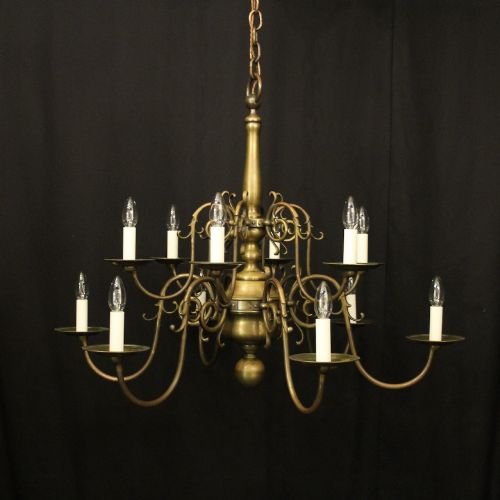
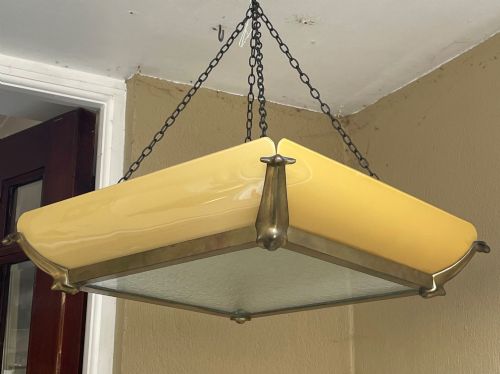
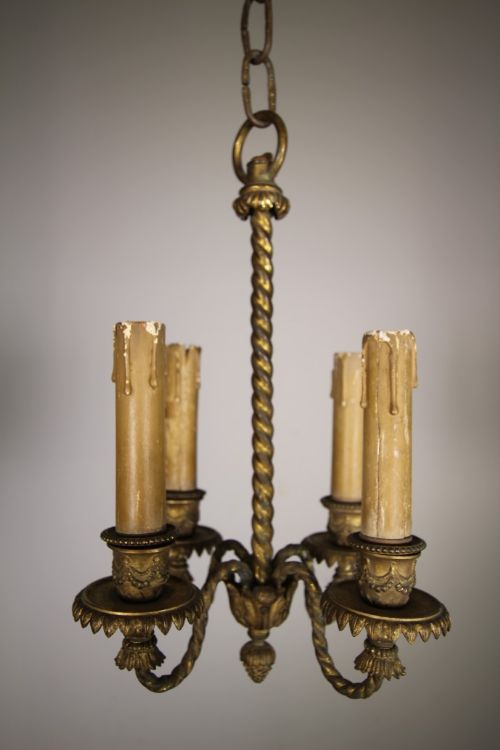
A period hanging fixture comprises ceiling lights, chandeliers, pendant lights, and lanterns originating from eras such as the Victorian, Edwardian, and 1930s periods. These pieces illuminate interior spaces from above while displaying distinct historic design characteristics.
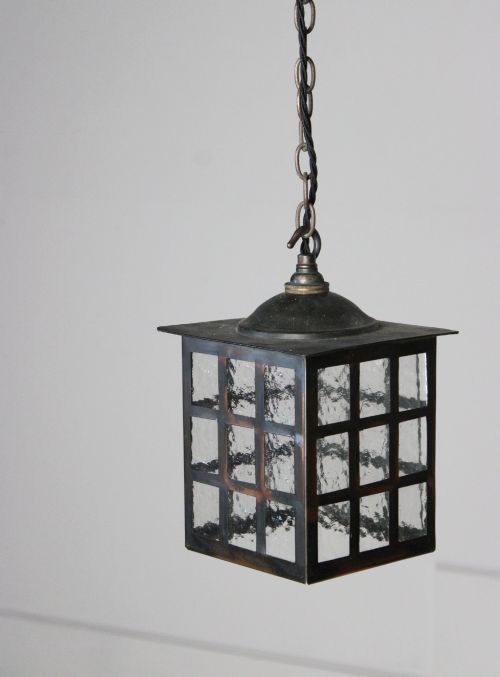
The versions most commonly met on this page span styles including Art Deco, Arts and Crafts, Art Nouveau, Gothic Revival, and Classical Revival. They utilise forms ranging from simple copper lanterns to multi-armed chandeliers.
Materials vary across the selection, featuring brass, bronze, copper, iron, and glass in cut, frosted, or plain varieties. These ceiling light fittings reflect the decorative preferences of their respective manufacturing decades.
How they were made
Metal components in these fixtures typically involve cast bronze, spun or beaten copper, and cast or sheet brass. Workshops shaped these metals to form frames, ceiling roses, and decorative brackets.
Glass elements were mouth-blown, frosted, or cut by hand to create shades and panels for lanterns and pendants. These glass components diffuse the light source while adding texture to the fixture.
Period Hanging Fixture Retail Price Guide 2026
Typical asking prices for period hanging fixture among the pieces listed under this phrase on Sellingantiques today, from the lower quarter to the upper quarter. They describe what is for sale here now, not the wider market.
Listings feature brass, bronze, and copper constructions paired with cut or frosted glass across multiple historical periods.
What varies in quality
The standard of a period hanging fixture depends on the weight and purity of its metal components, such as solid cast bronze versus lighter plated alternatives. Substantial metalwork provides structural integrity and a sharper definition to cast ornaments.
The complexity and execution of decorative details, from hand-cut glass shades to bespoke brass chasing, separate standard utility fittings from more ambitious examples. Finer pieces display careful finishing on unseen edges and integrated design coherence across every part.
G.E.C
The Period Hanging Fixture Glossary
- Chandelier
- A branched ceiling-mounted lighting fixture designed to hold multiple lamps or candles. These pieces often feature glass drops or arms.
- Lantern
- An enclosed lighting fixture with glass panels held within a metal frame of brass, copper, or iron. They hang from chains or rigid rods.
- Pendant light
- A single light fixture that suspends from the ceiling by a cord, chain, or metal rod. They concentrate illumination directly below the fixture.
- Ormolu
- Gilt brass applied to decorative metalwork to create a gold-coloured finish. This technique appeared on finer antique light fittings.
- Frosted glass
- Glass treated by acid-etching or sandblasting to create a translucent, matte surface. This process softens the glare from the internal light source.
Period Hanging Fixture: Frequently Asked Questions
What is a period hanging fixture?
A period hanging fixture is an overhead light fitting originating from historic eras such as the Victorian or Edwardian periods and the 1930s. These pieces include chandeliers, lanterns, and pendant lights.
They serve as both functional illumination and decorative architectural elements within a room, reflecting the specific design movements of their time.
How were hanging lights used historically?
Historically, these fixtures hung from the centre of high ceilings in hallways, dining rooms, and reception rooms to provide ambient or focused lighting. They directed illumination downward onto living spaces.
Over time, many of these gas or candle fixtures were converted to run on electricity while retaining their original metal and glass bodies.
How do I live with antique lighting?
Living with antique lighting involves pairing historic metal finishes and glass shades with modern electrical wiring and compatible LED bulbs. These fixtures integrate naturally into traditional or contemporary interiors as focal points.
Consider the drop height relative to your ceiling clearance to ensure the fixture sits at a practical and visually balanced level.
How do I tell Edwardian and Art Deco fixtures apart?
Edwardian fixtures often feature classical revival motifs, cut glass, and polished brass or ormolu that draw on earlier design traditions. They lean towards ornate and traditional ornamentation.
Art Deco fixtures from the 1930s utilise geometric forms, frosted glass panels, and streamlined metalwork such as bronze or copper. Their aesthetic is starker and more modern.