




Period Hanging Cabinet
A period hanging cabinet brings compact wall storage and rich timber grain to domestic interiors.
Period Hanging Cabinet
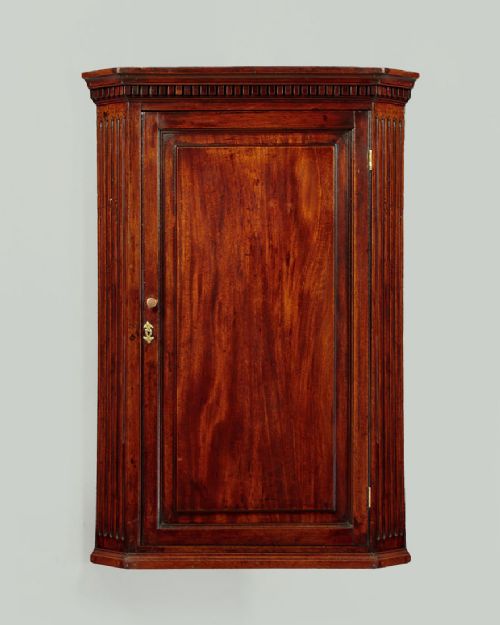
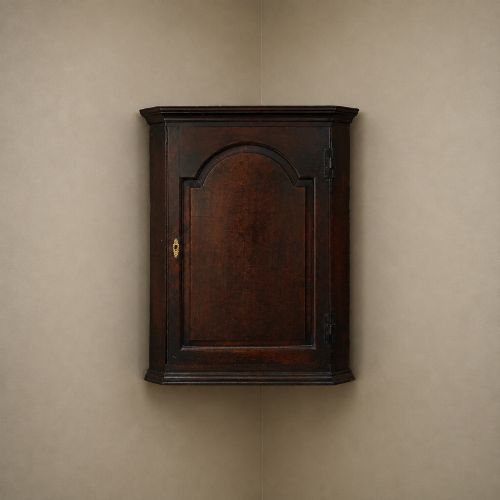
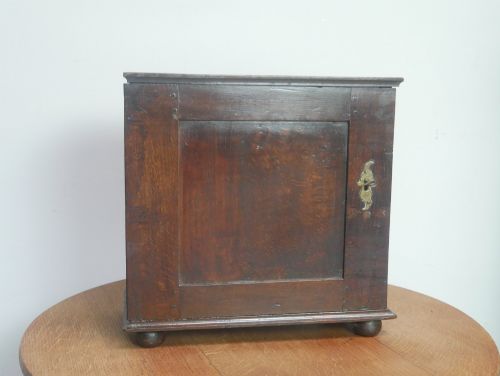
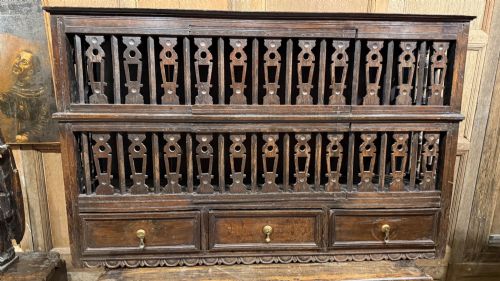
A period hanging cabinet is typically discovered as an oak spice cupboard, a mahogany corner cupboard, or a wall-mounted display unit from the Georgian, Regency, or seventeenth-century eras. These pieces were designed to utilise vertical wall space in kitchens, reception halls, and chambers, offering secure storage while leaving floor space clear.
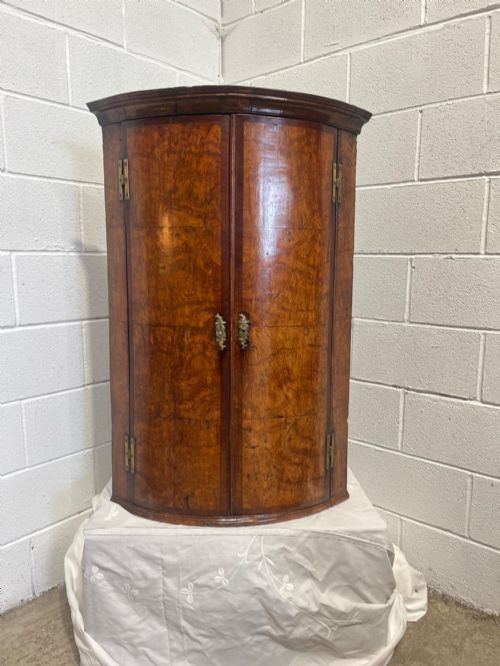
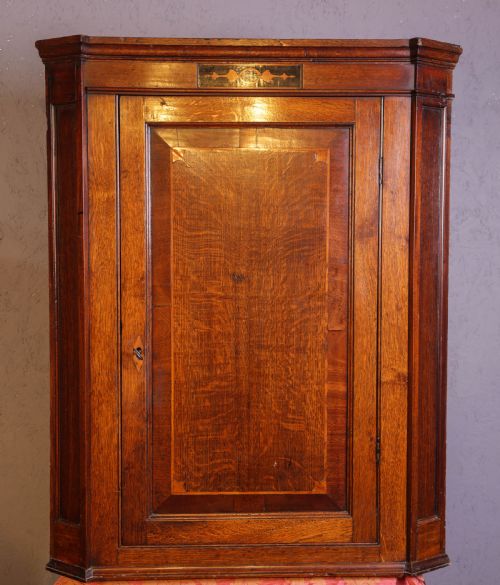
The version most commonly met on this page is the Georgian oak corner cupboard, often fashioned with raised panels or bow fronts to fit neatly into domestic corners. Pieces range from austere seventeenth-century vernacular oak examples to refined late eighteenth-century Sheraton models featuring satinwood inlay and glazed doors.
Materials and cabinetmaking techniques
Cabinetmakers relied heavily on sturdy native timber such as oak for early spice cupboards and regional vernacular pieces, while later Georgian and Regency items frequently employ solid mahogany, flame mahogany, or red walnut. Brass hardware, including H-hinges and escutcheons, provides structural reinforcement alongside decorative contrast against the dark wood surfaces.
Construction methods include mortise and tenon joinery for robust frames, with raised panels fitted to allow natural timber movement without splitting. Inlaid examples demonstrate skilled woodworking through contrasting veneers like satinwood set into mahogany grounds.
Period Hanging Cabinet Retail Price Guide 2026
Typical asking prices for period hanging cabinet among the pieces listed under this phrase on Sellingantiques today, from the lower quarter to the upper quarter. They describe what is for sale here now, not the wider market.
Current listings feature seventeenth-century, Georgian, Regency, and Victorian periods executed in oak, mahogany, walnut, and brass.
Distinctions in craftsmanship and preservation
Quality separates through the integrity of the timber selection, such as the choice of burr oak or figured flame mahogany, and the crispness of carved details or inlaid banding. Superior examples retain their original brass fittings, working locks, and interior shelving without significant timber replacement.
The balance of proportions and the subtlety of surface patination distinguish finer cabinetmaking from more utilitarian vernacular work. Pieces displaying well-figured grain and intact original finishes command attention for their visual depth and material honesty.
The Period Hanging Cabinet Glossary
- Bow front
- A convex, outwardly curved cabinet facade that softens room angles. This shape appears frequently on late eighteenth-century corner pieces.
- Raised panel
- A central wooden insert with bevelled edges designed to fit snugly within a frame. It allows the timber to expand and contract safely with humidity changes.
- Spice cupboard
- A small, early wall-mounted cabinet containing multiple internal drawers for provisions and valuables. These represent some of the earliest domestic hanging forms.
- Satinwood inlay
- A pale, contrasting timber veneer set into a darker ground like mahogany. It creates decorative geometric or floral borders on late Georgian pieces.
- Vernacular
- Localized furniture traditions built by regional joiners rather than metropolitan workshops. Welsh vernacular pieces often exhibit robust construction in local oak.
Period Hanging Cabinet: Frequently Asked Questions
Where were hanging cabinets placed?
These cabinets hung on walls or fitted snugly into room corners to preserve floor space in domestic interiors. They served practical storage needs in reception halls, chambers, and kitchens.
Corner designs made efficient use of unutilized angles while displaying provisions, tablewares, or household valuables.
How do I identify a Georgian cupboard?
Georgian pieces often feature solid oak or mahogany construction, sometimes with bow fronts or raised panels. Stylistic clues include Chippendale carvings or Sheraton satinwood inlay.
Proportions remain balanced and functional, reflecting the domestic design standards of the eighteenth century.
What is a spice cupboard?
An early wall-mounted storage box containing small internal drawers for valuable provisions and herbs. They date frequently to the seventeenth and eighteenth centuries.
Their compact scale and solid oak construction make them distinct from larger corner cabinets.
Are these cabinets made of solid wood?
Period pieces utilise solid timbers such as oak, mahogany, walnut, and burr oak. Timber selection dictated the structural strength and visual grain pattern.
Secondary woods may appear on internal framing or drawer linings, consistent with period workshop practices.