





Period Fireside Chair
A period fireside chair brings warmth and traditional craftsmanship to a room, offering deep comfort by the hearth.
Period Fireside Chair
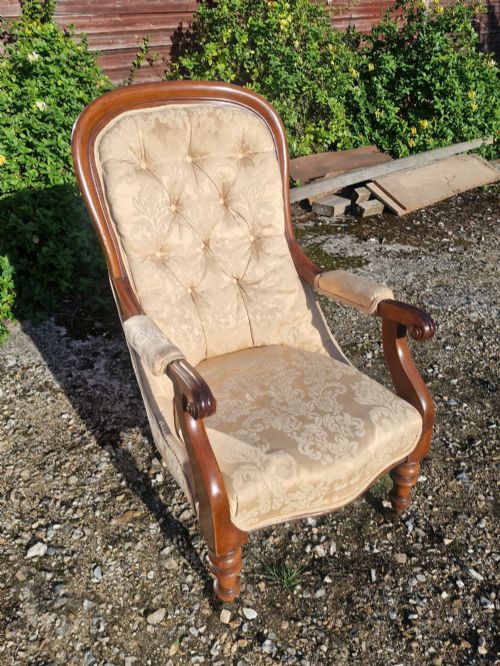
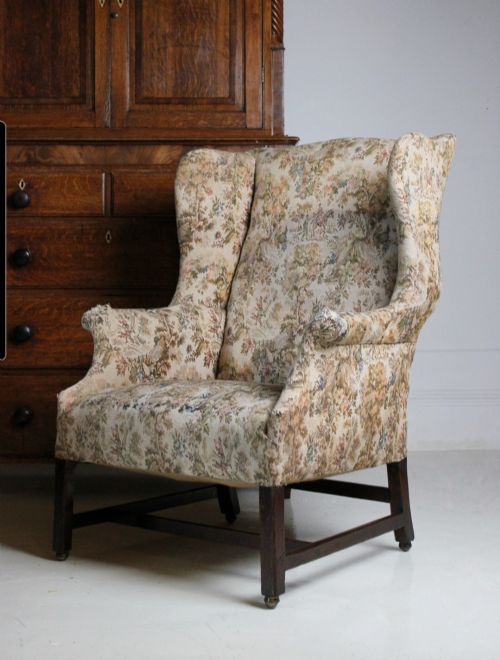
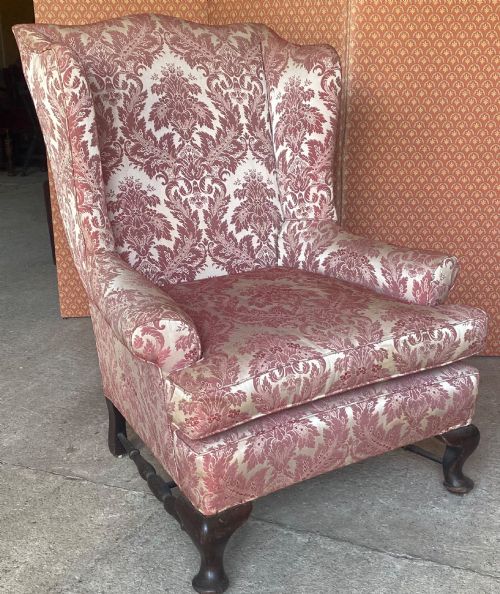
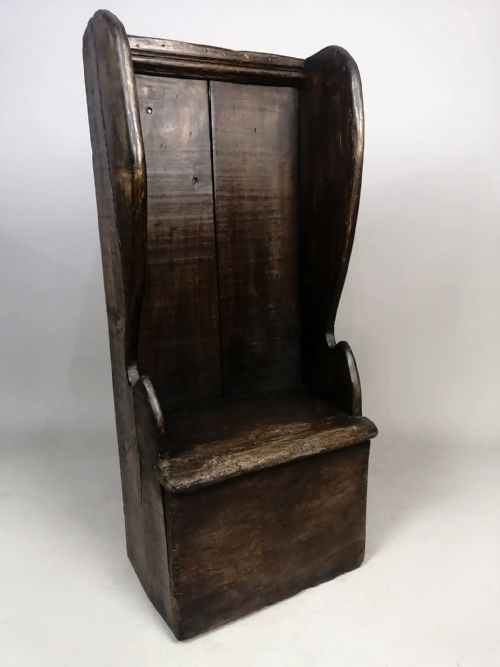
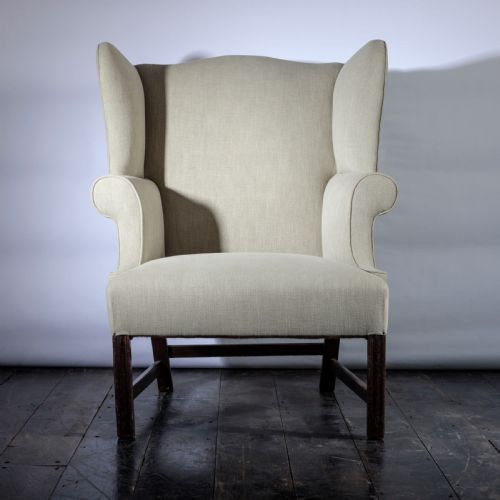
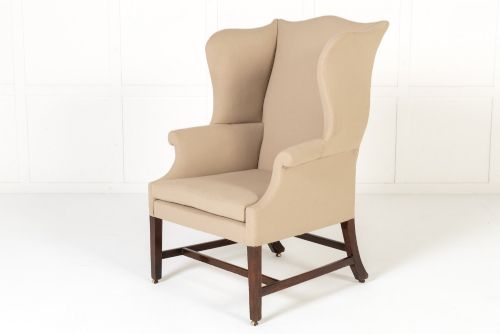
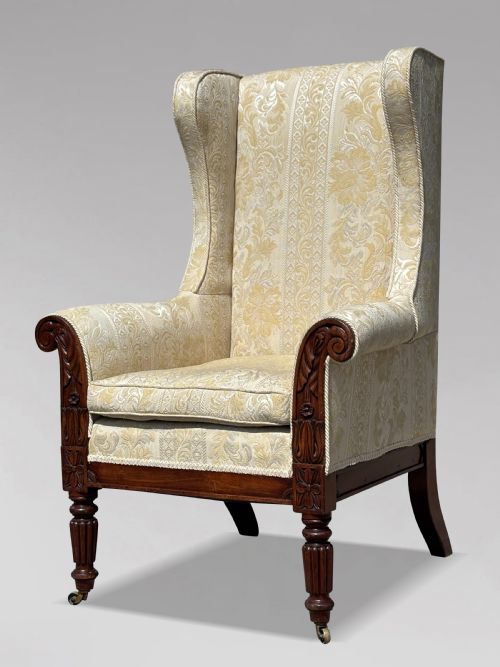
A period fireside chair is designed to provide shelter from draughts and support during quiet hours by the fireplace, often taking the form of a wingback or low-slung armchair. These seats draw on centuries of domestic tradition, spanning 17th century vernacular forms through to the refined proportions of Georgian, Regency and Victorian designs.
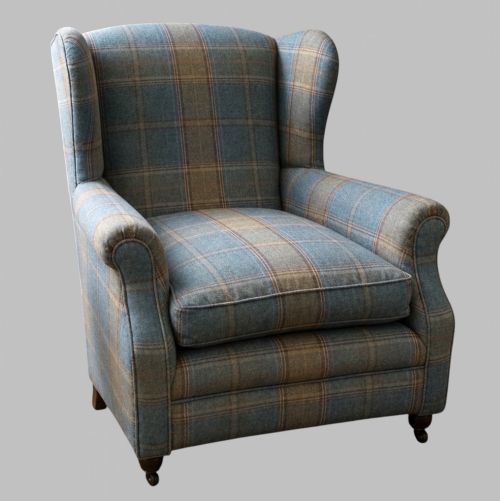
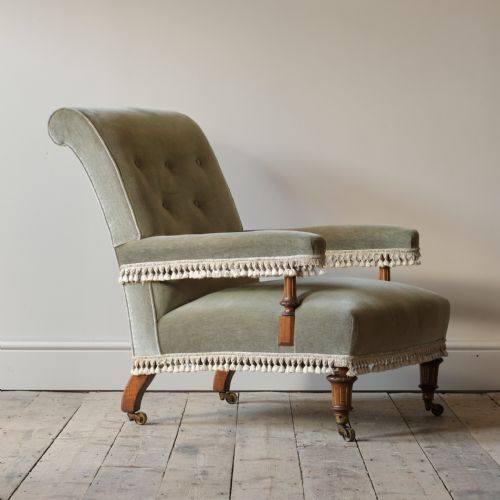
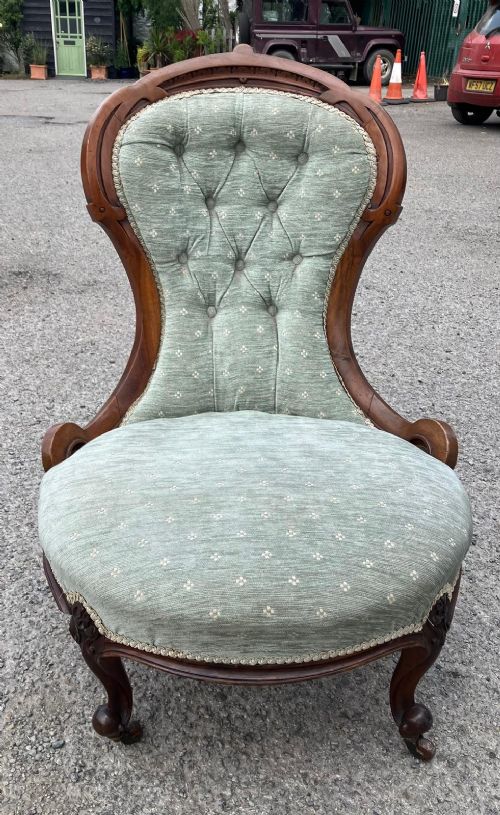
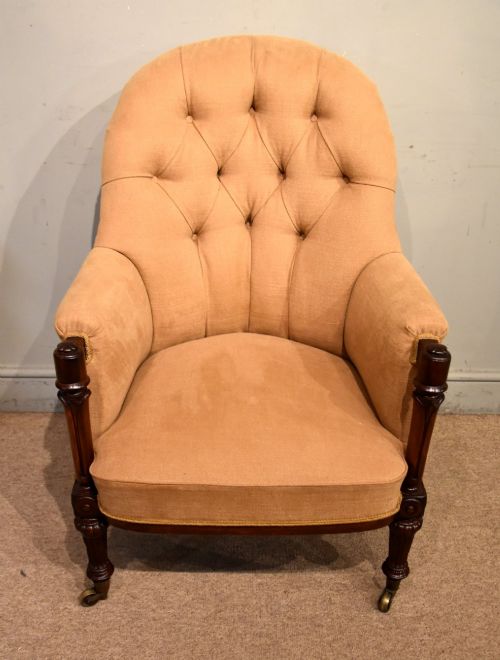
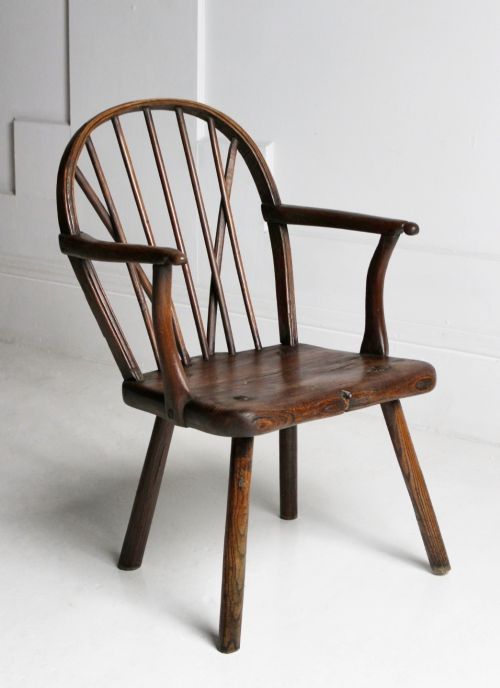
The versions most frequently encountered here include mahogany framed library armchairs, walnut nursing chairs, and sturdy wingbacks upholstered in textiles such as damask, velvet, fabric, or plaid. Structural variations range from simple stick backs and fruitwood child lambing chairs to grander mahogany and walnut frames with carved details.
Originating across different eras including the 18th century, 19th century and Edwardian period, these pieces reflect the shifting domestic habits and interior tastes of their times. Buyers seek them out to anchor a room with historical character while retaining practical daily seating.
Materials and Construction
Makers relied on dense hardwoods such as mahogany, walnut, fruitwood, and general wood stock to build robust frames capable of enduring decades of heavy use. Joinery techniques varied from traditional pegging in early vernacular pieces to refined framing in later Georgian and Victorian workshops.
Upholstery utilised a combination of traditional padding and textiles, ranging from simple woven fabrics to luxurious velvet, damask, and wool plaid. Brass accents and detailed carvings in mahogany or walnut frequently finished the timber elements, adding decorative weight to the structure.
Period Fireside Chair Retail Price Guide 2026
Typical asking prices for period fireside chair among the pieces listed under this phrase on Sellingantiques today, from the lower quarter to the upper quarter. They describe what is for sale here now, not the wider market.
Child lambing chairs from the 17th century prove that toddlers also required proper draught protection by the family hearth.
Distinctions in Quality
The standard of a fireside chair is largely determined by the integrity of its timber frame and the depth of its original or sympathetic joinery. Superior examples maintain rigid structural joints without excessive timber replacement, whereas lesser pieces suffer from loose framing or extensive rebuilding.
Carving execution and timber selection also set high-grade examples apart from standard utility seating. Finely figured mahogany or walnut, paired with crisp hand-carved scroll arms or brass detailing, indicates a higher level of workshop attention during manufacture.
Gillows·Howard and Sons·J.Mills
The Period Fireside Chair Glossary
- Wingback
- An armchair featuring high side panels designed to shield the sitter from draughts and trap heat from the fire. These wings are typically upholstered and set above scroll or plain arms.
- Bergère
- An enclosed armchair with cane or upholstered sides and back panels. The wooden frame is often exposed and carved.
- Vernacular
- Everyday domestic furniture made by regional craftsmen using local materials rather than following high-style metropolitan fashions. These pieces often display simple stick back or Windsor construction.
- Nursing chair
- A low-seated armchair designed in the Victorian era to allow a person to sit comfortably close to a nursery fire or assist with infant care.
- Scroll arm
- An armchair arm shaped into an outward-curling scroll. This decorative and ergonomic feature is common in Victorian and Regency seating.
Period Fireside Chair: Frequently Asked Questions
What is a period fireside chair?
A period fireside chair is a traditional armchair designed for seating near a hearth, encompassing historical styles from the 17th century onwards. They range from sturdy vernacular wooden seats to upholstered wingbacks and low nursing chairs.
These pieces were built to offer comfort and protection from draughts in older homes. Today, they serve as functional antique seating that anchors a room with historic presence.
How do I identify the age of an armchair?
Dating relies on observing timber choices, joinery methods, and the style of the arms, legs, and back. Earlier pieces often utilise fruitwood or oak with vernacular framing, while 18th and 19th-century examples favour mahogany or walnut.
Upholstery style and webbing also provide clues, though many antique chairs have been re-covered over time. Comparing the frame construction to documented period examples helps confirm the era of manufacture.
Were wingback chairs used only by the fire?
While the high wings were originally designed to block cold air currents and retain heat from open hearths, these chairs were used throughout grand rooms and libraries. Their enclosed design offered privacy and comfort for reading or conversation.
Over the centuries, the form transitioned from a functional necessity in draughty rooms to a staple of formal drawing rooms and studies.
How should I care for an antique wood frame?
Maintain the timber by keeping the chair away from direct heat sources and strong sunlight, which can dry out and split older woods like mahogany and walnut. Occasional dusting with a soft, dry cloth preserves the finish.
Avoid using modern silicone-based polishes, as they can build up and harm the aged patina of the wood over time.