




Period Fireside Armchairs
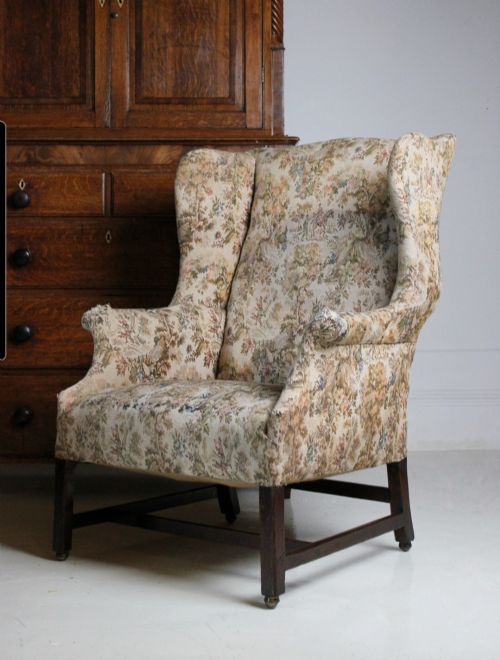
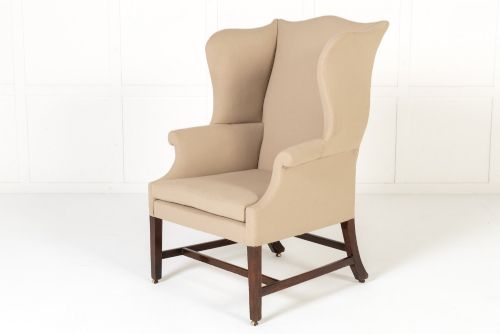
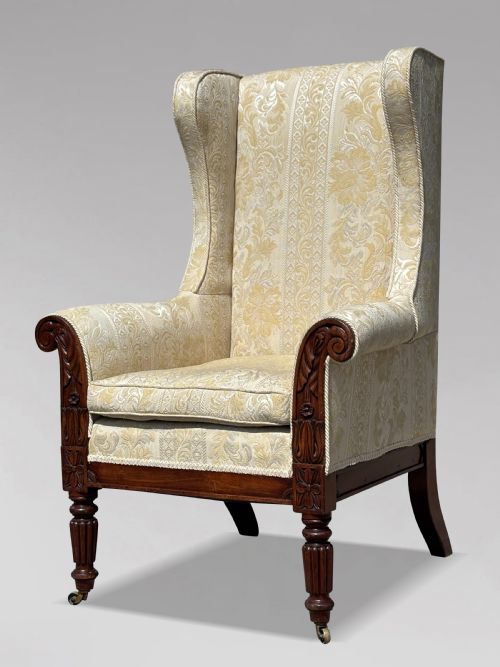
Period fireside armchairs offer deep wings, solid mahogany frames and traditional upholstery designed to keep the hearth draughts at bay.
Period Fireside Armchairs
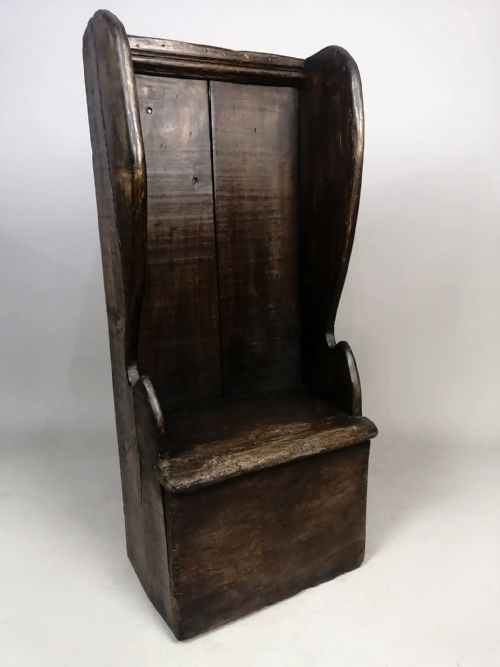
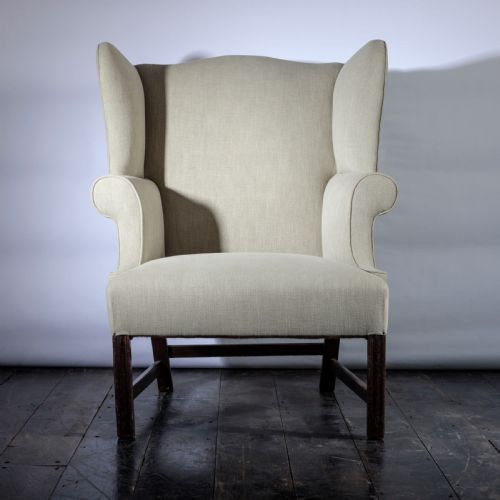
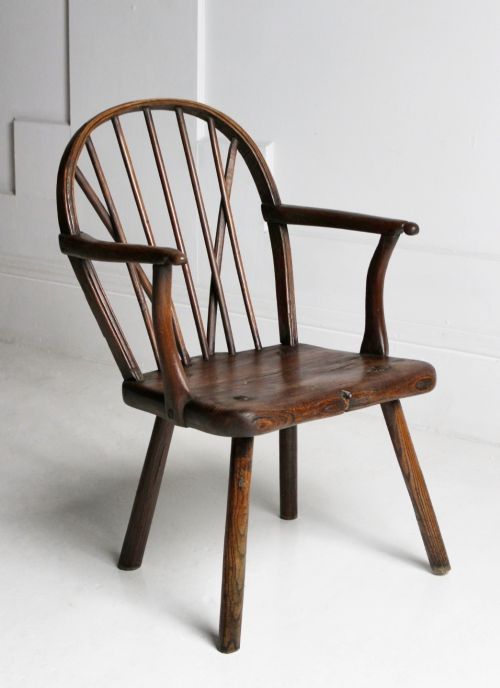
Period fireside armchairs span several centuries of British craftsmanship, encompassing sturdy 17th-century vernacular designs and elegant Georgian wing chairs. You are most likely to encounter 19th-century Victorian and Edwardian interpretations alongside earlier mahogany and walnut examples.
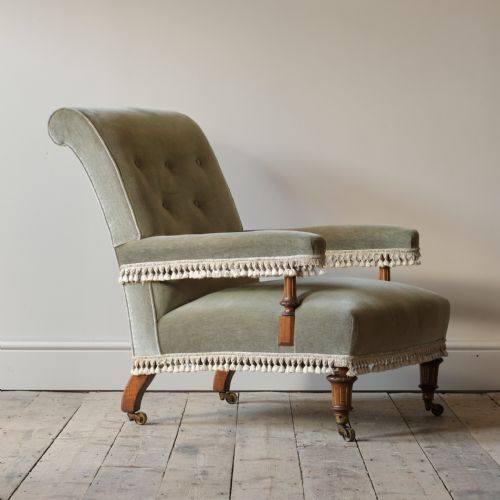
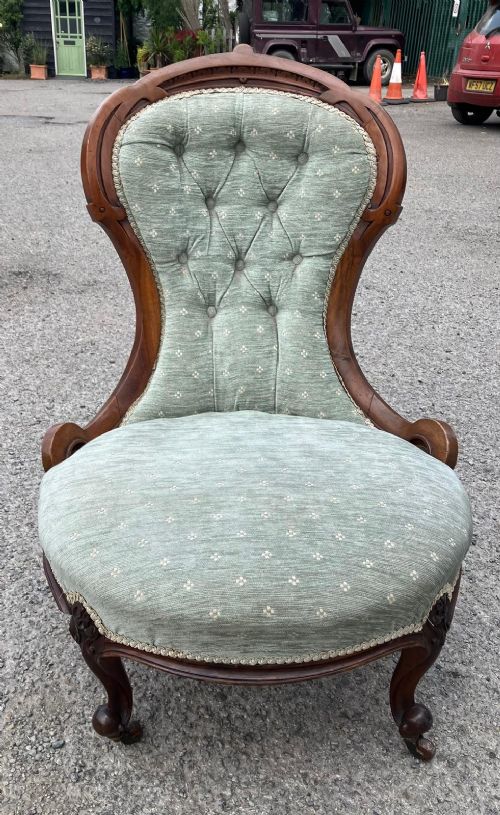
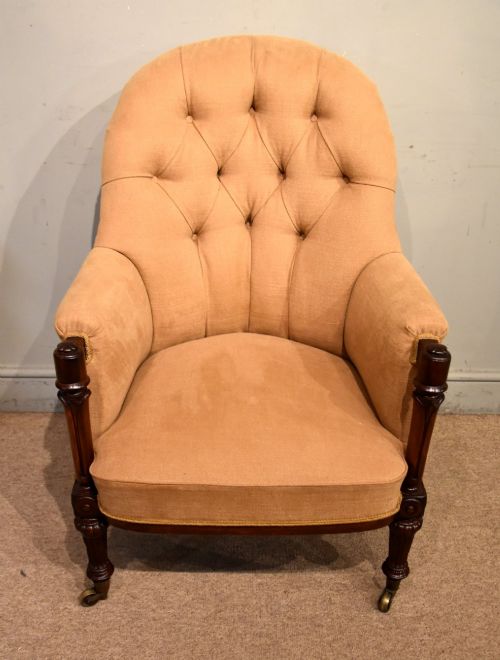
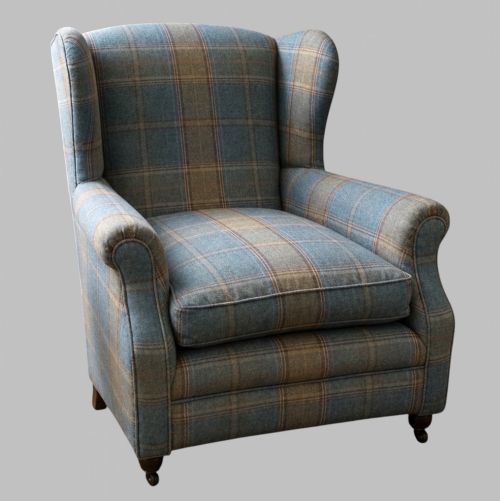
The selection ranges from low-slung nursing chairs and barrel backs to substantial wingback armchairs built for comfort by the fireplace. These seating forms reflect domestic life across Georgian, Regency and Victorian eras.
Origins stretch from rural English country houses to London workshops, uniting diverse styles such as William IV, Art Deco and vernacular stick-back traditions under the broad umbrella of fireside seating.
Subtleties of Build
Quality reveals itself in the proportion of the wings, the integrity of the timber frame and the precision of the carved details on the mahogany or walnut legs. Superior pieces maintain their original structural skeleton without excessive timber replacement.
The choice of covering material and the execution of the traditional upholstery technique dictate the visual weight and comfort of the chair. Finer examples retain period textiles or historically appropriate replacement fabrics that complement the age of the woodwork.
Early child-sized lambing chairs ensured even the smallest household members stayed safely away from floor-level cold draughts.
Gillows·Howard And Sons
The Period Fireside Armchairs Glossary
- Wingback
- An armchair featuring protective side panels attached to the arms and back to deflect draughts from the hearth. These wings also helped trap heat around the seated person.
- Bergère
- An enclosed armchair with stuffed upholstery and woven cane panels on the back or sides. This French-inspired form gained popularity in British drawing rooms and libraries.
- Vernacular
- An architectural or furniture-making style rooted in local traditions rather than formal academic design. These pieces utilise regional timbers and straightforward construction methods.
- Barrel Back
- A seating design where the curved upholstered back wraps continuously around into the arms. This creates a secure, tub-like enclosure ideal for fireside warmth.
- Nursing Chair
- A low-seated armchair designed historically for feeding infants near the hearth. The reduced height allowed the sitter to tend easily to a child.
Period Fireside Armchairs: Frequently Asked Questions
What is a fireside armchair?
A fireside armchair is a sturdy seat built with high backs or protective side wings designed to shield the occupant from cold draughts near an open fireplace. They evolved through various centuries to prioritise seated warmth and comfort.
These chairs often feature substantial wooden frames upholstered in thick textiles or leather, making them central pieces of living room furniture in traditional British interiors.
How do I identify an 18th-century wing chair?
Eighteenth-century wing chairs typically display characteristic frame proportions, hand-carved mahogany or walnut legs, and traditional joinery methods beneath the upholstery. Look for shaped wings that flow seamlessly into the armrests.
Examining the underside and frame construction reveals period tool marks and timber ageing consistent with Georgian cabinet making practices.
Where should I place a vintage armchair?
These armchairs suit living rooms, studies or quiet reading corners where their high backs and supportive arms can be fully appreciated. They pair well with natural wood furniture and traditional interior layouts.
Allowing sufficient space around the piece ensures the wings and carved wooden legs remain visible focal points in the room.
Are these chairs comfortable for daily use?
Many period fireside chairs offer exceptional support due to deep padding and ergonomic high backs designed for relaxation. Their robust hardwood frames ensure enduring stability.
Chairs that have undergone careful restoration of their internal upholstery provide reliable everyday seating while retaining their historic character.