



Period Corner Unit
A period corner unit transforms awkward wall junctions into handsome storage, bringing timber warmth and historic craft directly to neglected rooms.
Period Corner Unit
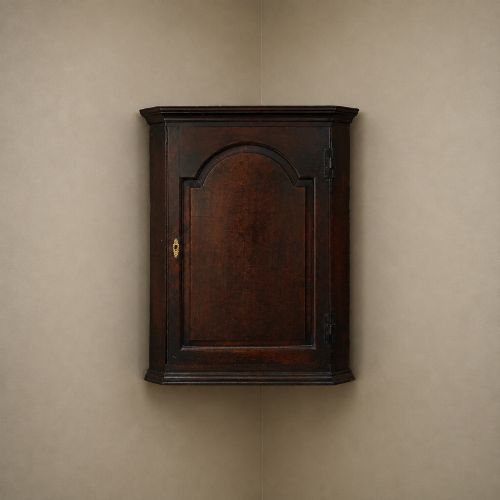
A period corner unit is a functional piece designed to fit snugly into the intersection of two walls, making clever use of dead space in historic interiors. These items primarily manifest as corner cabinets and cupboards, alongside occasional etageres and whatnots suited for corner or wall placement.
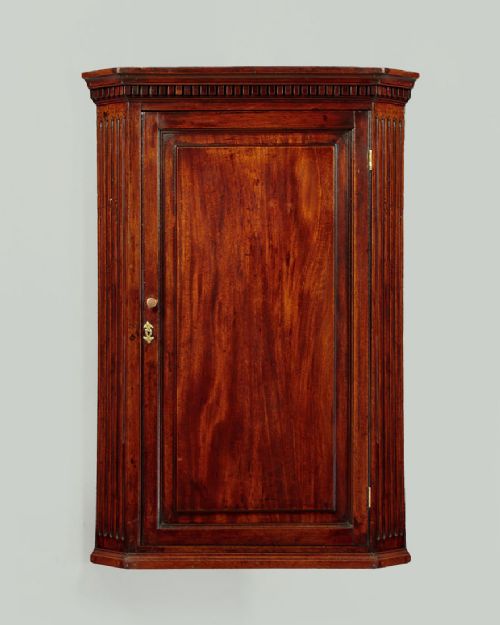
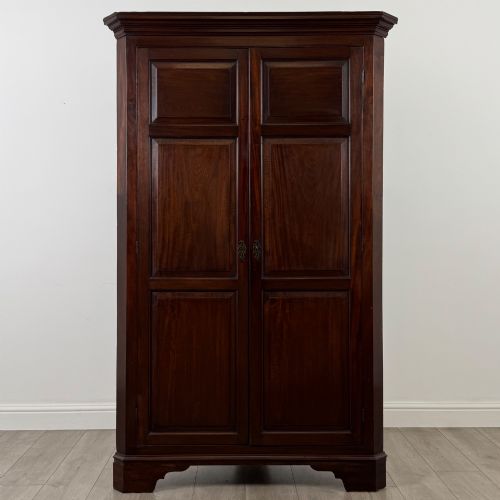
You are most likely to meet timber cupboards originating from the Georgian and 18th century periods, constructed from native oak or imported mahogany. These pieces range from wall-hanging models to substantial standing cabinets featuring panelled doors or bow fronts.
The selection also includes later 19th-century interpretations such as bamboo cabinets from the Aesthetic Movement and multi-tiered mahogany etageres from the Regency era. Each variant serves to display or conceal household belongings while respecting the geometry of the room.
What varies in quality
The distinction between standard examples and the finest pieces lies in the choice of timber and the restraint of decorative detail. Superior items display richly figured mahogany or tightly grained oak with harmonious proportions that lift a utilitarian form into fine furniture.
Construction methods also define the tier of quality, seen in the neatness of internal shelving, the retention of original brass fittings, and the precision of fine inlay work. Pieces that maintain their original surface patination and structural integrity without intrusive modern alterations stand firmly at the upper end of the range.
Period Corner Unit Retail Price Guide 2026
Typical asking prices for period corner unit among the pieces listed under this phrase on Sellingantiques today, from the lower quarter to the upper quarter. They describe what is for sale here now, not the wider market.
The Period Corner Unit Glossary
- Bow front
- A convex, curved front section that projects outward from the main body of the cabinet. This shaping softens the hard angles typical of corner furniture.
- Etagere
- An open piece of furniture featuring multiple tiers for displaying small objects or books. These light stands often occupy corners or wall spaces in later interiors.
- Whatnot
- A multi-shelved stand designed for the storage and display of ornaments. They emerged in the Regency period and provide vertical display capacity.
- Escutcheon
- A protective plate surrounding a keyhole. They are typically cast from brass and secure the timber from wear around the lock.
- Panelling
- The method of framing thin wooden panels within thicker stiles and rails to allow for natural timber movement. This technique prevents the wood from splitting as atmospheric humidity changes.
Period Corner Unit: Frequently Asked Questions
How do I hang a wall cupboard safely?
Wall-hanging corner cupboards require secure fixing to solid masonry or properly located timber studs behind the plaster. Professional installation ensures the substantial weight of old oak or mahogany is borne safely without damaging the historic structure.
Many original hanging cupboards feature internal fixing holes drilled through the backboards specifically for this purpose. Distributing the load evenly prevents stress on the ancient joints and hinges.
What is the difference between a cabinet and a cupboard?
In historical terminology, a cupboard typically refers to a closed storage piece enclosed by doors, often containing fixed or adjustable interior shelves. They were traditionally used to house provisions, ceramics, or household valuables out of sight.
Cabinets in this context often share the same enclosed storage function but can sometimes denote finer display furniture with glass panels or specialised interior compartments. Both terms frequently overlap in descriptions of Georgian corner furniture.
Where should I place a corner unit?
These units naturally suit any room where floor space is at a premium, as they occupy the often-neglected junction between two walls. Dining rooms and living areas benefit particularly from their ability to turn an empty angle into a focal point.
Standing models anchor a room by filling floor-to-ceiling volume, while hanging versions free up the floor entirely for other furniture. Positioning them away from direct sunlight preserves the rich patination of the antique timber.
How do I identify a Georgian piece?
Georgian pieces are characterised by architectural proportions, robust timber construction, and restrained classical detailing spanning the 18th and early 19th centuries. Look for traditional joinery such as hand-cut dovetails and pegged frames that precede modern manufacturing methods.
Stylistic cues include moulded cornices, brass H-hinges, and sometimes subtle inlay work like satinwood banding. The natural warmth and deep colour of the aged oak or mahogany provide a clear visual indicator of age.