







Period Child Portrait
A period child portrait captures youth in oil, watercolour and engraving across centuries of British and European art.
Period Child Portrait
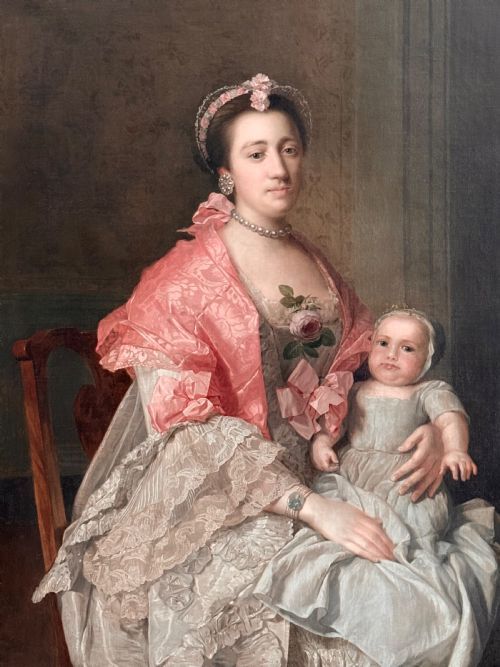
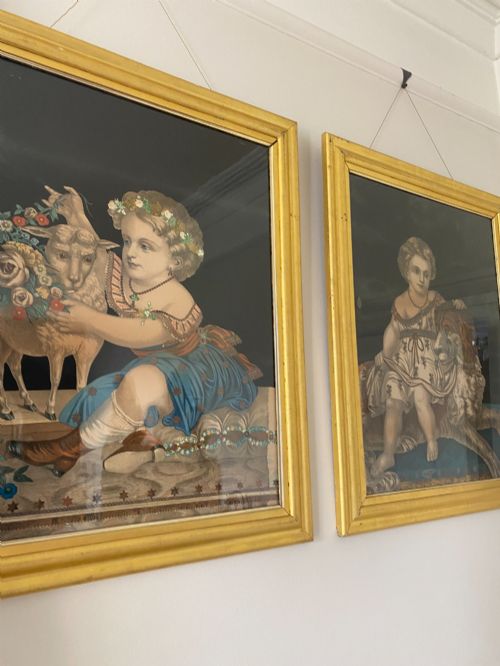
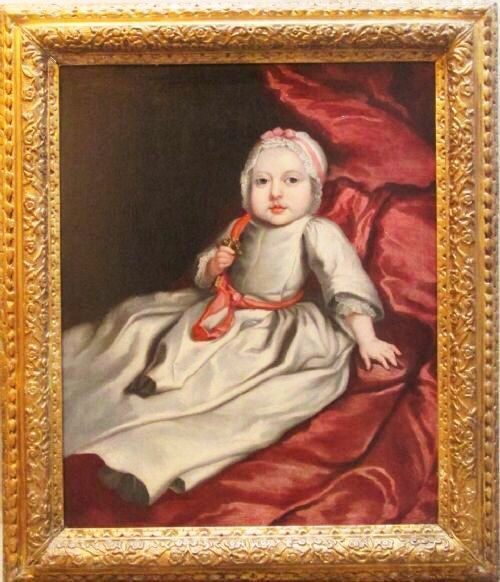
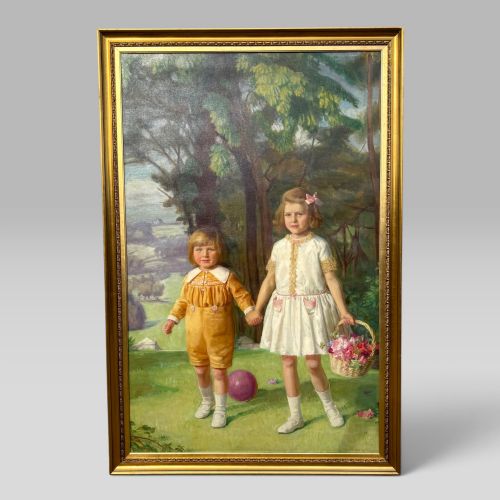
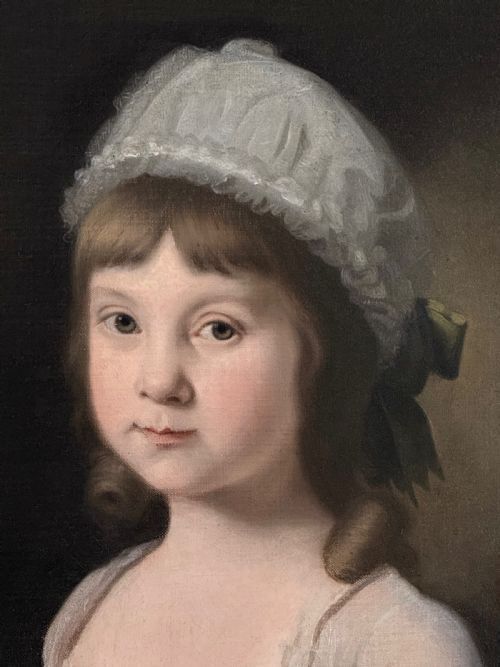
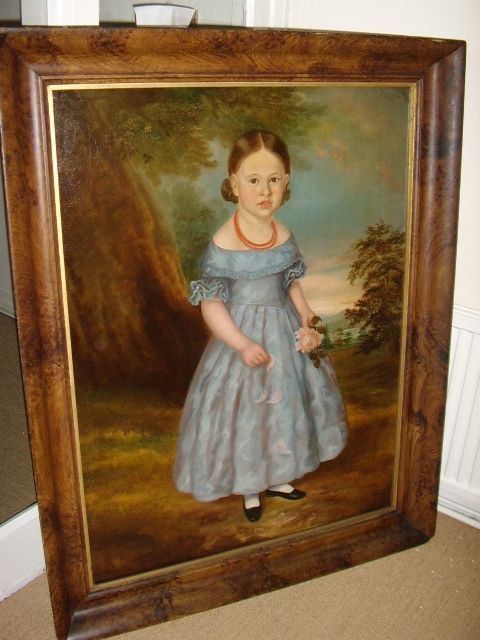
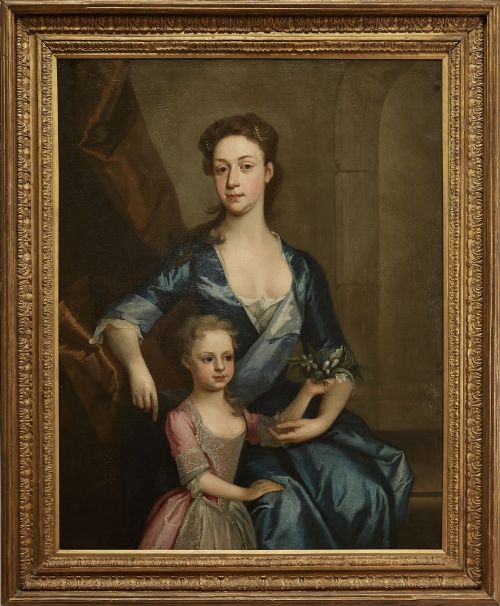
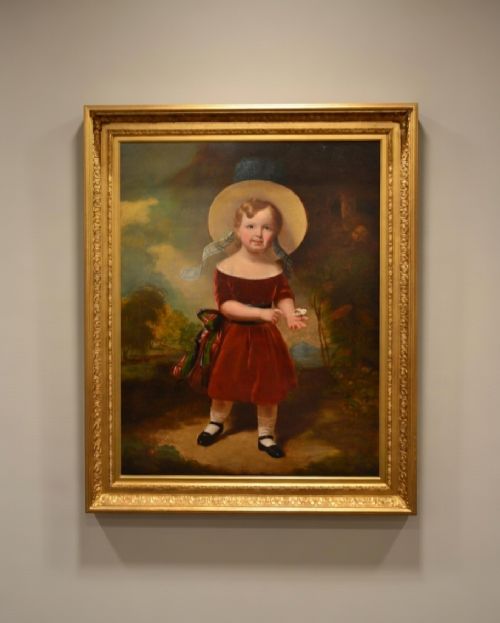
A period child portrait is a historical painting, miniature or engraving depicting young subjects from the seventeenth century through to the Edwardian era. These works frequently show children accompanied by pets, toys or architectural elements that reflect their social standing and family life.
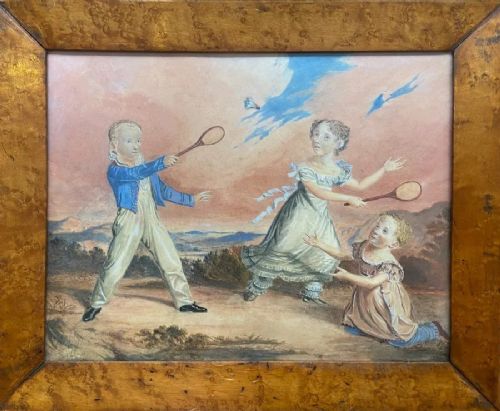
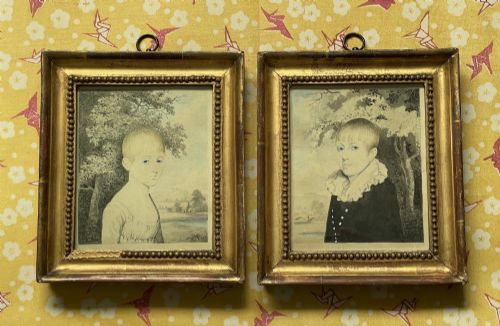
The selections available here range from grand oil paintings on canvas to delicate watercolour portrait miniatures and painted silhouettes. Buyers encounter diverse regional schools, from early Georgian canvases to Victorian depictions of children at play.
How they were made
Artists typically applied oil paint to stretched canvas or wooden boards, building up rich layers of colour for garments and skin tones. Watercolours on paper and delicate stipple engravings offer finer, intimate alternatives suited to miniature formats.
Framing forms an integral part of the construction, with many pieces housed in period giltwood or ebonised frames that complement the artwork.
Period Child Portrait Retail Price Guide 2026
Typical asking prices for period child portrait among the pieces listed under this phrase on Sellingantiques today, from the lower quarter to the upper quarter. They describe what is for sale here now, not the wider market.
Children occasionally appear alongside surprising companions, including a pet bird and a spinning top.
What varies in quality
The strength of the likeness and the anatomical execution of the child distinguish finer works from standard studio output. Master artists captured subtle expressions and complex textures in hair, lace and fabrics with greater precision.
The preservation of the underlying canvas or paper surface, alongside the originality of the period frame, influences the standing of an individual piece.
Sir Allan Ramsay·Mary Beale·Joshua Reynolds·James Maubert·Joseph Highmore·Christian Lindner·Philip Mercier·Johann Kerseboom·Adam Buck·Sir Thomas Lawrence·Henry Scott·Edward Bird·Francis Alleyne·John Russell·Harry John Pearson
The Period Child Portrait Glossary
- Oil on Canvas
- Pigments bound in a drying oil medium applied to a woven fabric support. This traditional technique allows for deep colour saturation and gradual blending.
- Portrait Miniature
- A small, highly detailed painting designed for intimate viewing or personal carriage. These works often employ watercolour on paper or vellum.
- Stipple Engraving
- A printmaking method using dots of varying density to create tonal gradations and soft shadows. It gained popularity for reproducing delicate portraits during the Georgian period.
- Giltwood
- Wood carved and coated with a thin layer of gold leaf. Frames finished this way were standard for displaying fine art in period interiors.
- Naive Art
- Work created by artists without formal academic training, characterised by flattened perspective and direct expression. Such pieces offer a charming, unpretentious record of childhood.
Period Child Portrait: Frequently Asked Questions
How do I date a child portrait?
Clothing styles, hairstyles and the surrounding props provide the clearest initial indicators of a work's decade or century. Comparing the painting technique and framing style with documented examples from specific periods helps confirm the date.
Written inscriptions on the reverse of the canvas or paper often record the sitter's age and the year the likeness was taken.
Were children always painted with pets?
Animals such as spaniels, birds and butterflies frequently appear in historical child portraits to symbolise virtues like loyalty, gentleness or fleeting time. Wealthier families commissioned these inclusions to display their status and domestic harmony.
Not all subjects feature animals, as many focus entirely on toys, books or architectural backdrops.
How should I display these artworks?
Oil paintings and watercolours require placement away from direct sunlight and excessive humidity to protect the pigments and canvas. Hanging them at eye level in stable indoor environments ensures they remain secure.
Retaining the original giltwood or ebonised frame preserves the historical context of the piece.
What is naive art in portraits?
Naive art refers to works by self-taught painters who prioritized direct observation over strict academic rules of perspective and proportion. These portraits present an honest and charming view of children from past centuries.
Such pieces are distinct from formal court or studio commissions due to their simplified forms and flat backgrounds.