
Period Brown Furniture
Period brown furniture brings tactile warmth to a room through deep timber tones and honest domestic craftsmanship.
Period Brown Furniture
When people search for period brown furniture, they look for traditional wooden household pieces spanning several centuries of British and European design. These items encompass practical storage and seating forms built from foundational timbers.
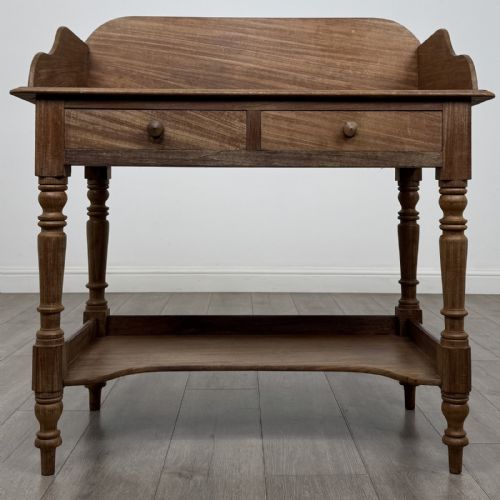
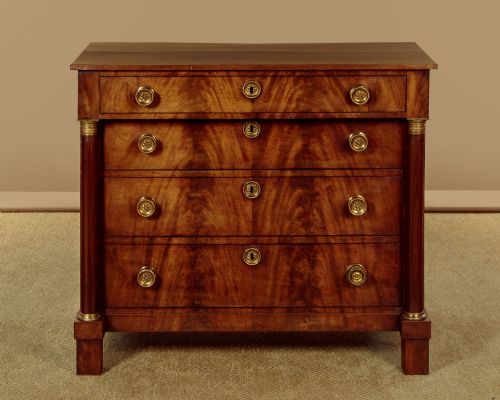
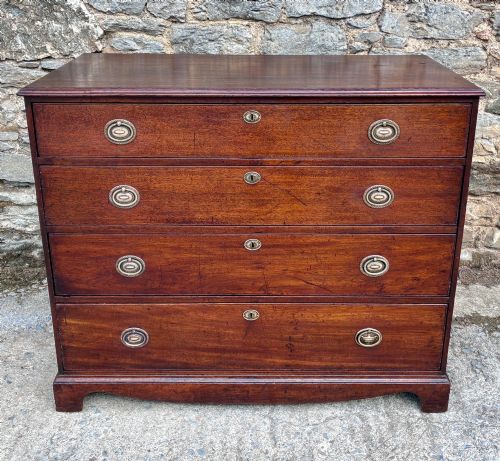
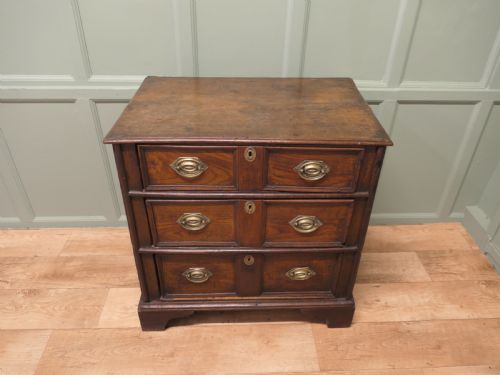
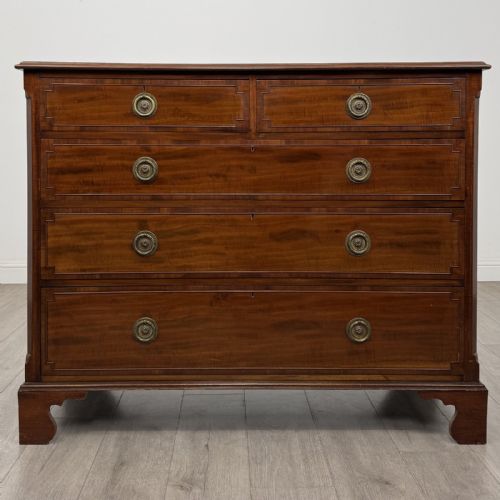
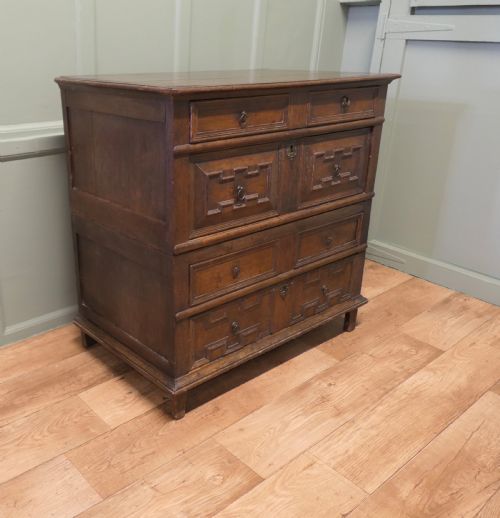
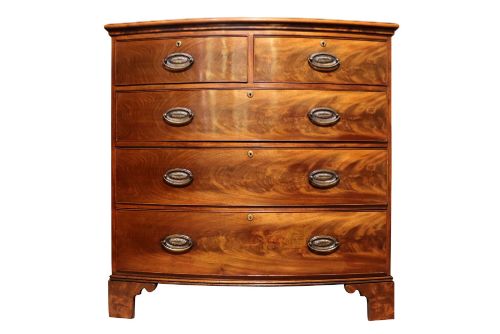
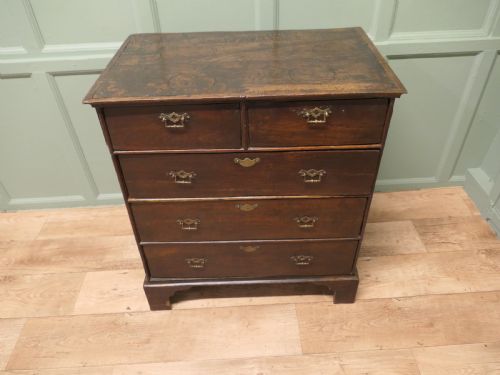
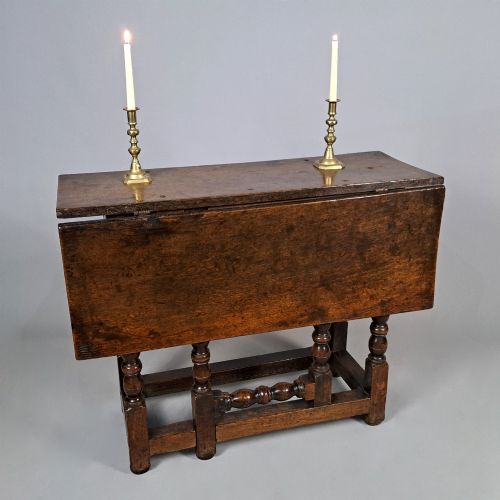
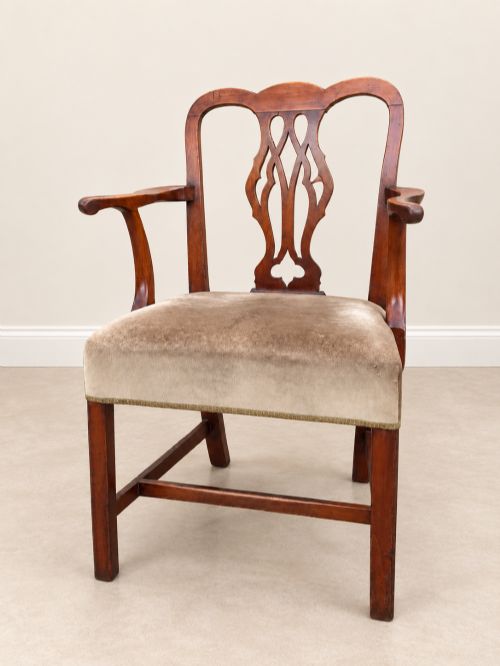
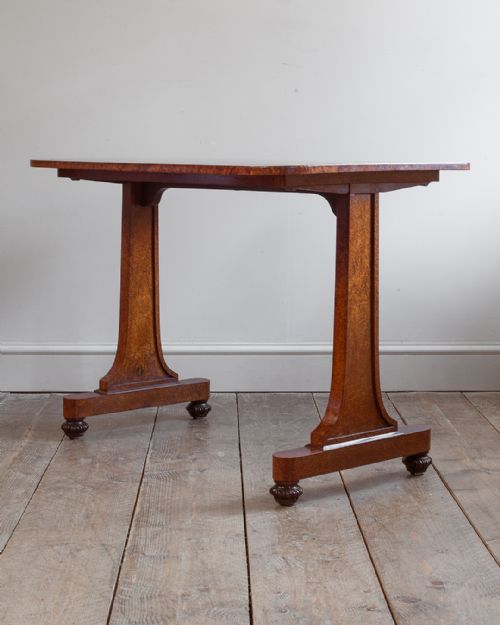
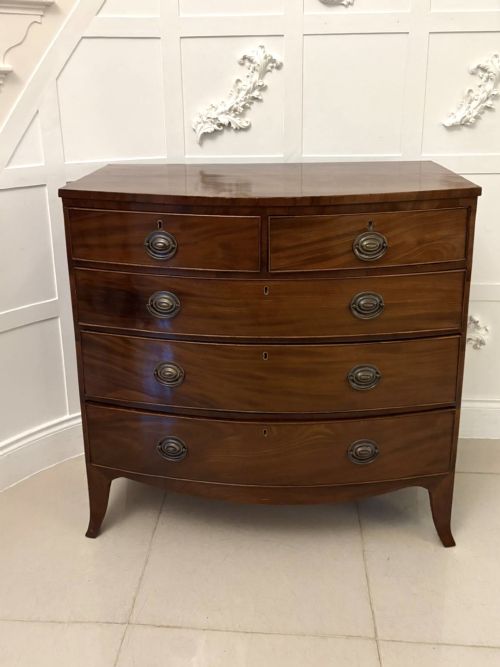
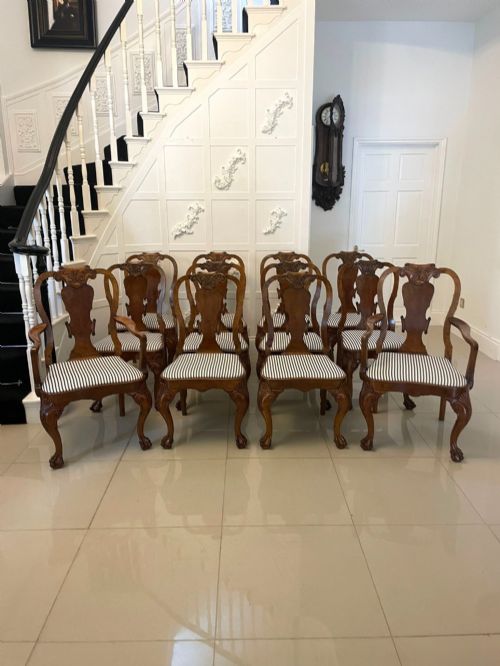
The most common examples on this page are chests of drawers and dining chairs dating from the seventeenth, eighteenth, and nineteenth centuries. Alongside these utilitarian forms, buyers encounter occasional tables, side tables, and joint stools.
Pieces emerge from periods including the Georgian, Regency, and Charles II eras, reflecting the domestic needs of past households. Oak and mahogany dominate the selection, forming sturdy surfaces designed for daily use.
Materials and Construction
Cabinetmakers utilised dense native and imported timbers such as oak, mahogany, walnut, and elm to build these sturdy forms. Surfaces often feature figured veneers, burr walnut, or yew wood to create subtle decorative grain patterns.
Joinery techniques relied on traditional methods like mortise and tenon joints, dovetailing for drawer construction, and pegged joints on earlier oak items. Brass hardware, including drop handles and bracket feet, supplemented the timber structure.
Secondary elements occasionally incorporated iron brackets or fabric upholstery such as velvet for seating. The combination of solid timber framing and careful joinery ensured structural longevity.
Materials recorded across the selection include mahogany, oak, walnut, burr walnut, brass, iron, and velvet.
Judging Quality
Quality rests upon the selection of timber and the precision of the construction rather than surface ornamentation alone. Fine examples display well-figured grain matching across drawer fronts and solid secondary woods inside.
Proportion and restraint separate superior items from standard domestic pieces. Crisp carving, intact original brass hardware, and minimal timber replacement elevate a piece within its period.
The integrity of the structural joints dictates durability, as pieces retaining their original pegging or dovetailing demonstrate superior initial craftsmanship.
The Period Brown Furniture Glossary
- Bow front
- A convex curved cabinet front that projects outward at the centre. This shape gained popularity during the late eighteenth and early nineteenth centuries on chests of drawers and sideboards.
- Joint stool
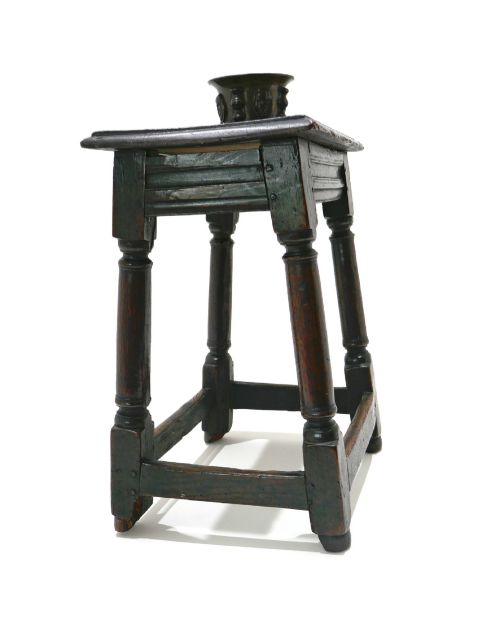
- A sturdy wooden seat built with pegged mortise and tenon joinery rather than turned legs alone. These seventeenth-century items served multiple household seating and utility functions.
- Chest on chest
- A tall storage unit formed by stacking one chest of drawers directly on top of a larger base chest. This configuration maximised vertical storage space in eighteenth-century bedchambers.
- Lowboy
- A small side table featuring one or more rows of drawers beneath the flat top surface. These seventeenth and eighteenth-century pieces often served as dressing or writing tables.
- Cricket table
- A small, lightweight occasional table supported by three splayed legs. The triangular base design provided stability on uneven early domestic floors.
Period Brown Furniture: Frequently Asked Questions
How do I date an oak chest of drawers?
Examination of the timber grain, drawer construction, and joinery methods reveals the age of an oak chest of drawers. Hand-cut dovetails and pegged frame construction typically point toward earlier centuries.
Secondary woods used inside the drawers also help confirm the period of manufacture. Later replacements or alterations often disrupt the consistency of these traditional construction details.
What is the difference between Georgian and Regency furniture?
Georgian furniture generally displays heavier proportions, robust timbers like oak and early mahogany, and classical carved ornamentation such as bracket feet. The style spans the reigns of the Georges from the eighteenth century.
Regency pieces tend to exhibit more refined classical influences inspired by ancient Rome and Greece. Lighter woods, brass inlay, and saber legs frequently characterise this later nineteenth-century aesthetic.
Where should I place a joint stool in a modern home?
A joint stool functions well as a compact side table next to an armchair or sofa. Its sturdy flat top also accommodates small lamps or decorative objects.
Placing the stool in an entryway provides a solid surface for dropping keys or pulling on shoes. The compact seventeenth-century footprint fits easily into smaller modern rooms.
How do I care for antique mahogany surfaces?
Maintaining antique mahogany requires keeping pieces away from direct sunlight and sudden temperature changes. Excessive heat can cause timber to split or veneer to lift.
Applying a traditional beeswax polish periodically helps nourish the wood and preserve the surface sheen. Avoid modern silicone sprays that can damage historic timber finishes.
What defines a George III whatnot?
A whatnot is a multi-tiered shelving unit designed for displaying small decorative objects or holding books. George III versions feature tiered platforms supported by slender vertical posts.
These versatile pieces often incorporate a small drawer at the base. Their open design provided accessible storage in eighteenth-century drawing rooms.