
Pendant Glass Light Fixture
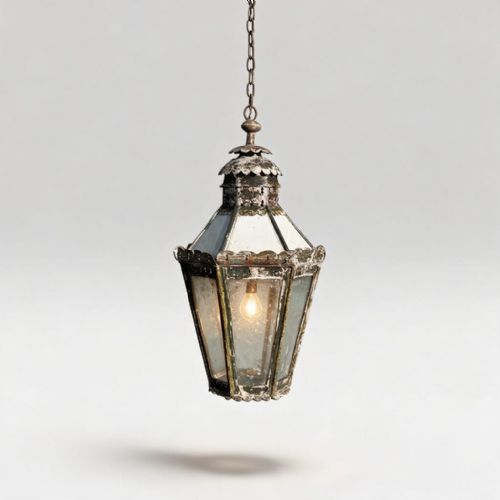
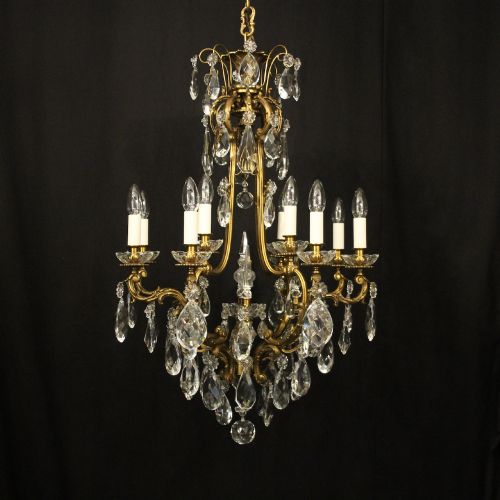
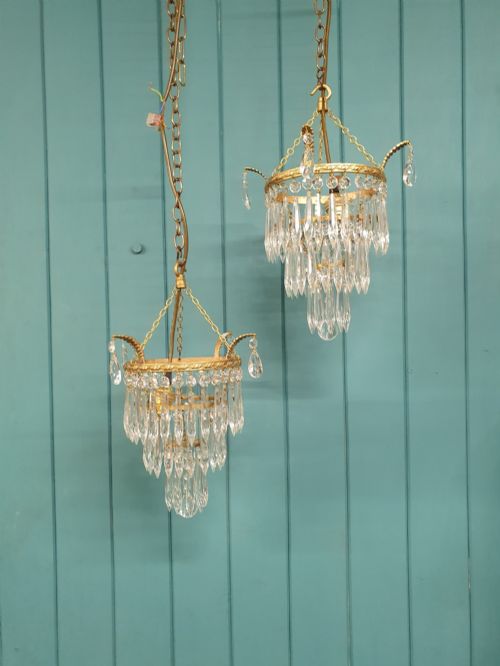
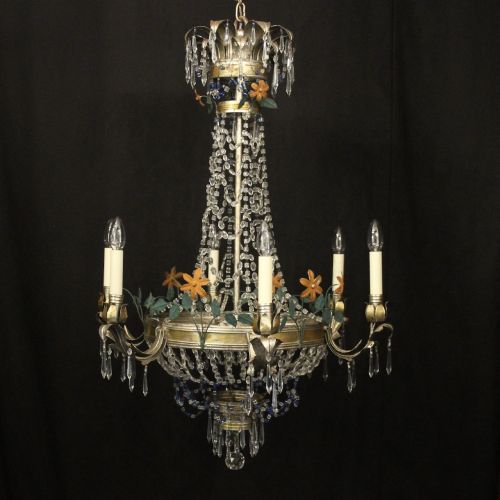
These pendant glass light fixture pieces illuminate spaces with period character, combining metal frameworks with crystal, cut glass, and moulded shades.
Pendant Glass Light Fixture
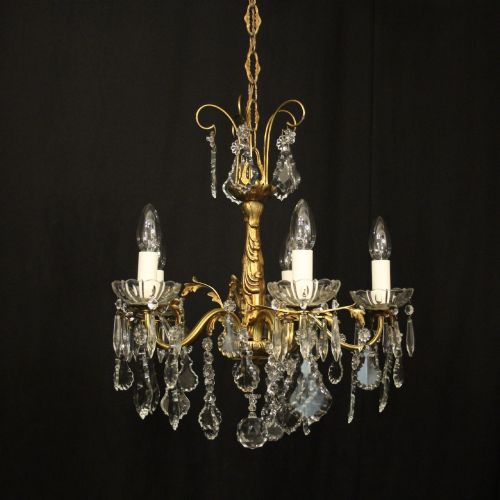
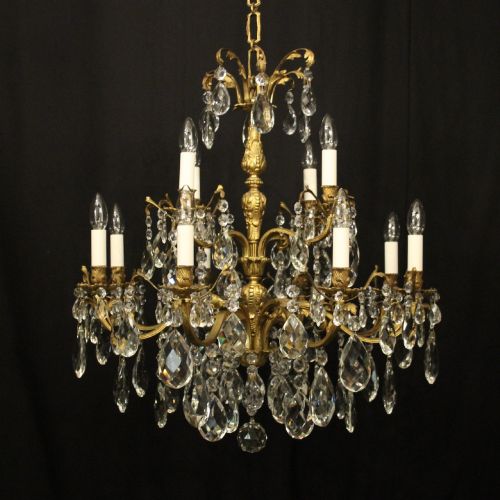
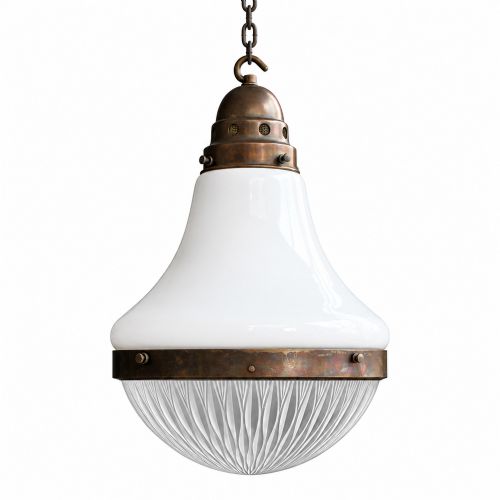
A pendant glass light fixture brings downward illumination into a room, taking forms such as hanging lanterns, plafonniers, single-bulb drops, and multi-armed chandeliers. The examples you encounter on this page span from the Victorian and Edwardian eras through to the Art Deco period of the 1920s and 1930s.
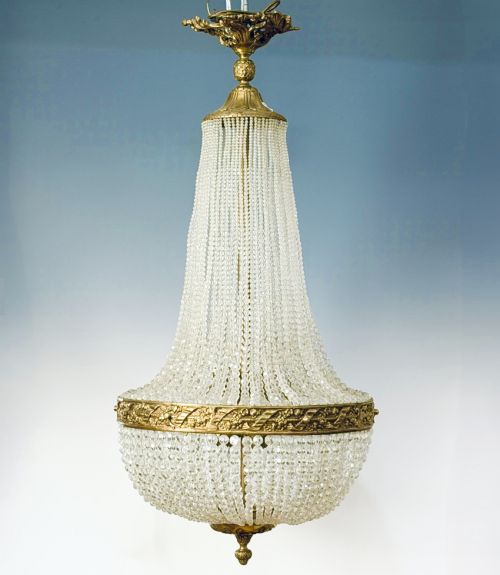
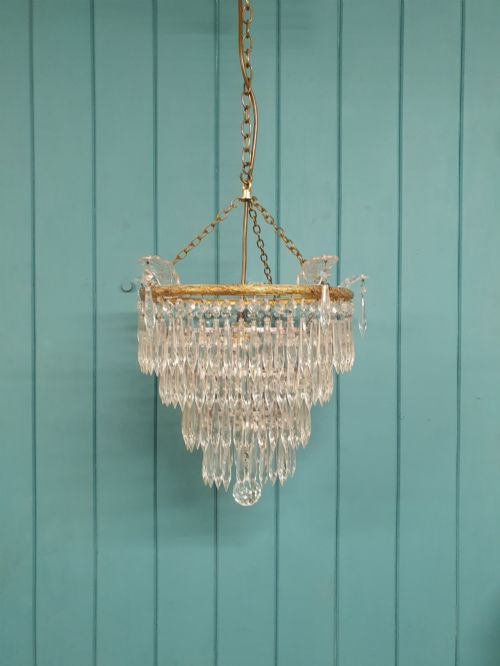
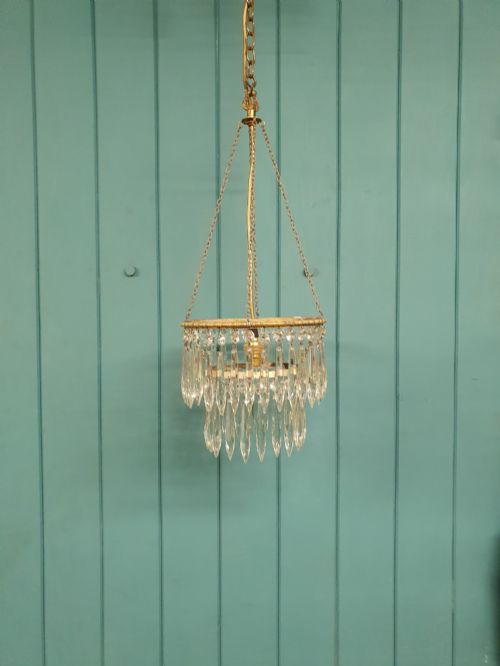
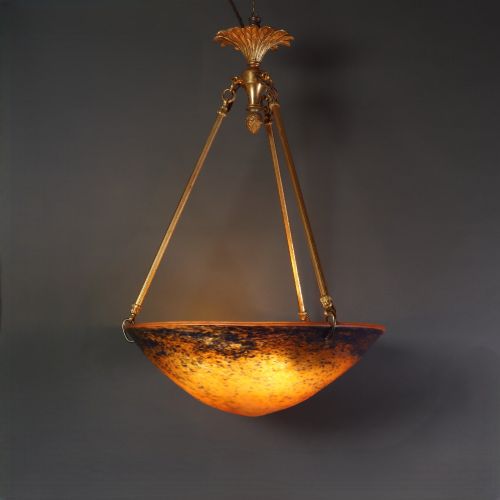
French designs dominate the selection, appearing in styles like French Empire, Neoclassical, and Rococo Revival alongside British Arts & Crafts and industrial pieces. Common configurations range from simple moonstone globes and slip shades to elaborate tent and waterfall crystal structures.
Makers and designers from these decades utilised various metal frames to support the glass elements, creating fixtures suited for halls, reception rooms, and stairwells.
Construction and Materials
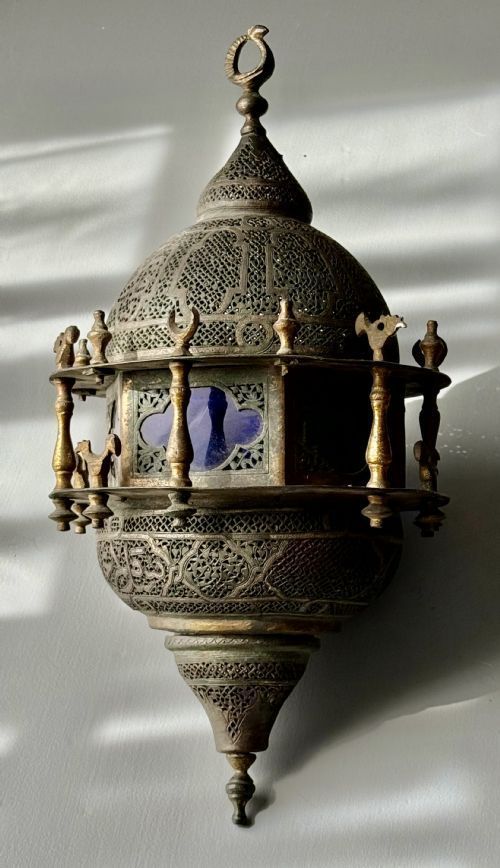
The foundation of these fixtures relies on metalwork, utilising brass, gilt bronze, spelter, copper, and gilt metal to form the structural frames and decorative mounts. These metals are cast, chased, or spun to support the weight of the suspended glass components.
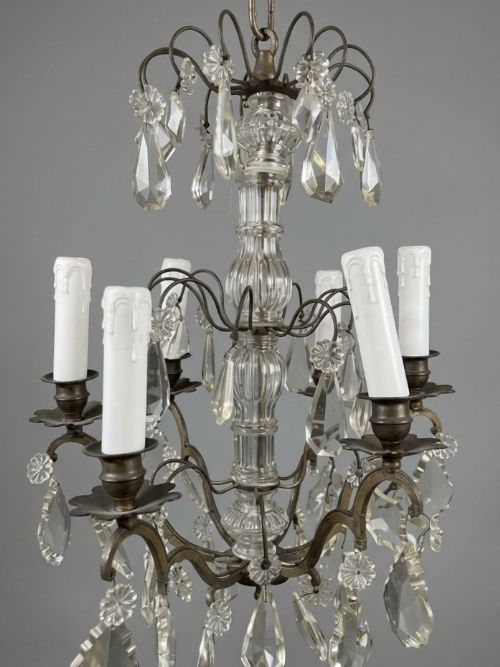
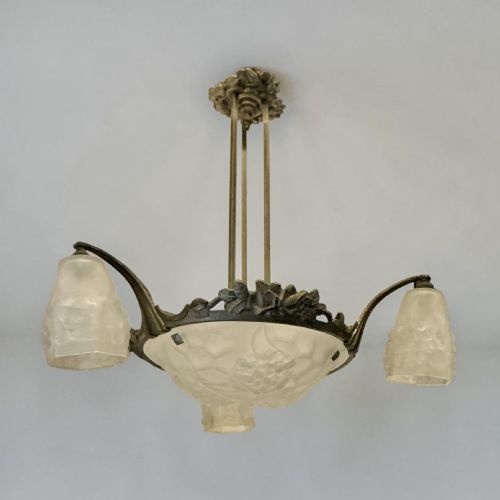
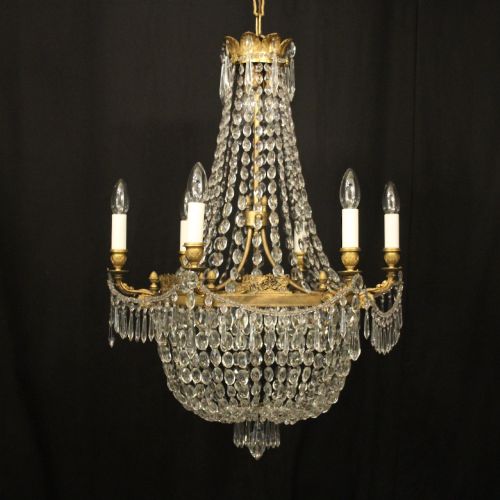
Glass elements take multiple forms, including hand-cut crystal spikes, moulded slip shades, bevelled panels, opalescent shades, and leaded glass sections. Individual pieces are held together by wire pins, metal bands, or soldered cames, often accompanied by crystal lustres and drops.
Flying cherubs occasionally share chandelier duty with cut glass crystal spikes.
Evaluating Quality
Quality reveals itself in the crispness of the metal casting and the depth of the gilding on the bronze or brass frames. Finer pieces display hand-cut facets on crystal components that refract light sharply, whereas simpler items utilise pressed or moulded glass.
The integration of the design separates standard production from exceptional work, seen in balanced proportions, detailed ornamentation such as leaf decoration or gilt cherubs, and the original matching of glass shades to their specific frames.
Émile-Jacques Ruhlmann
The Pendant Glass Light Fixture Glossary
- Plafonnier
- A ceiling light fitted flush or semi-flush against the ceiling, typically featuring a bowl-shaped glass shade held by a metal mount.
- Tent and waterfall
- A chandelier style featuring an upper canopy of strung crystals forming a tent shape above a cascading lower tier of glass drops.
- Slip shade
- A moulded piece of art glass that slides into a metal frame, commonly found on American and European lighting from the Art Deco period.
- Lustre
- A cut crystal pendant or drop suspended from a chandelier to enhance the reflection of light.
- Moravian star
- A multi-pointed star-shaped hanging lantern constructed from glazed glass panels set within a brass frame.
Pendant Glass Light Fixture: Frequently Asked Questions
How do I choose the right size pendant glass light fixture?
Consider the ceiling height and floor area of the room where you plan to hang the fixture. Larger multi-arm chandeliers and tent models require substantial vertical clearance to look balanced.
Smaller single-bulb globes and flush plafonniers suit restricted spaces like hallways or lower ceilings without dominating the room.
Were these fixtures originally wired for electricity?
Many examples from the Edwardian period and the 1920s were manufactured during the transition to electric lighting or adapted from earlier gasoliers. Gasoliers originally utilised gas pipes to deliver fuel to the burners.
Over time, these units have typically been rewired for modern electrical standards while retaining their original brass and glass bodies.
How do I tell an Art Deco light from an Edwardian one?
Edwardian and Victorian pieces often lean towards traditional revival styles, featuring cut crystal spikes, ornate brass framing, and classical motifs like French Rococo or Empire details.
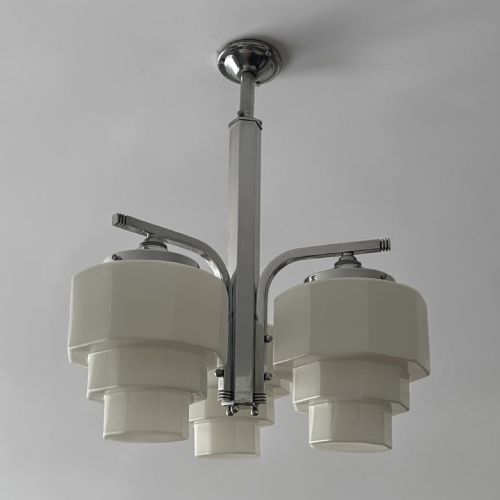
Art Deco fixtures from the 1930s favour geometric lines, moulded slip shades, and streamlined forms associated with modernist design.
Can these lights be hung on standard modern ceilings?
Most of these fixtures can be installed on standard ceilings provided the mounting point is secured to a ceiling joist to support the weight of the metal and glass. Heavier chandeliers and bronze lanterns require reinforced fixings.
A qualified electrician can assess the wiring and structural support needed for safe installation.