





Pencil Portrait Art
Pencil portrait art captures likeness through graphite and paper, offering an intimate record of historical sitters from the eighteenth century to the mid-century.
Pencil Portrait Art
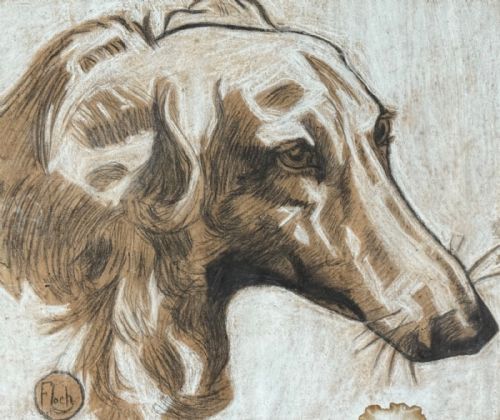
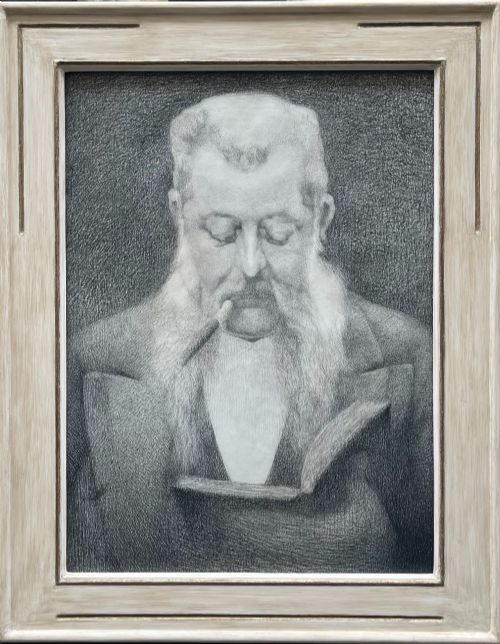
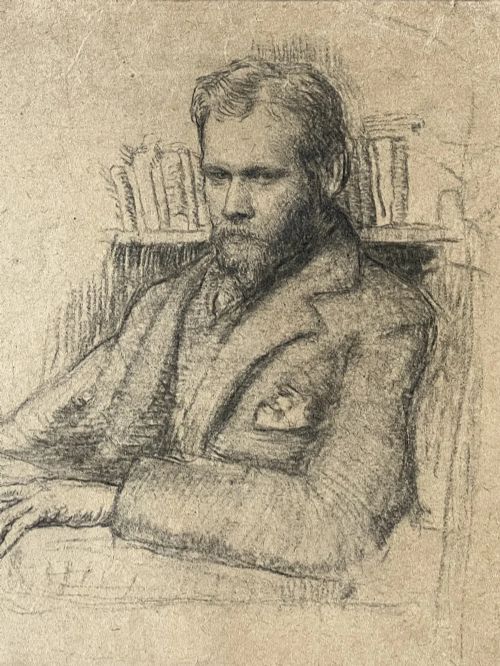
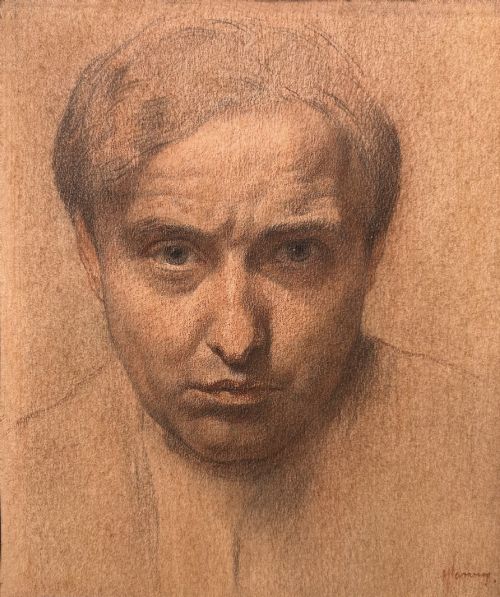
When searching for pencil portrait art, a buyer encounters original works on paper spanning the eighteenth, nineteenth and early twentieth centuries. These pieces range from rapid preparatory studio sketches to highly finished plumbago drawings executed with precision.
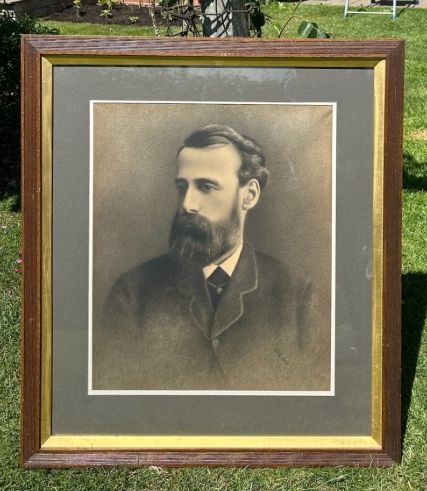
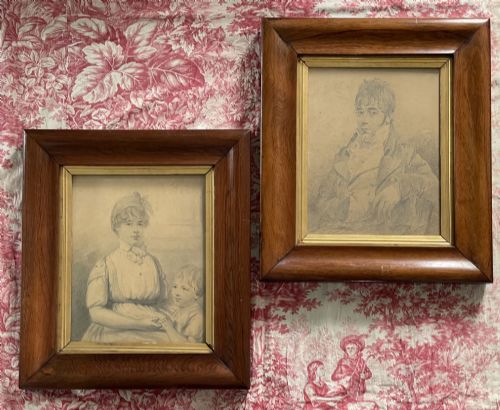
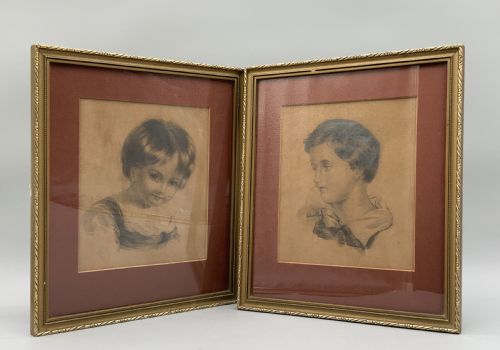
The selections on this page frequently include Victorian and Edwardian portrayals of individuals, alongside Regency-era depictions of children and couples. Framed artwork forms the primary medium for display, preserving delicate surfaces behind glass.
Works originate from diverse schools and makers, incorporating portrait drawings of sitters from various social strata. Stylistic approaches shift from academic realism and the manner of Sir Thomas Lawrence to Symbolist and Art Deco expressions.
Materials and technique
The fundamental materials underpinning these works are graphite and charcoal applied to various papers, occasionally augmented with chalk or plumbago. Artists built tone through meticulous hatching and shading to define facial structure.
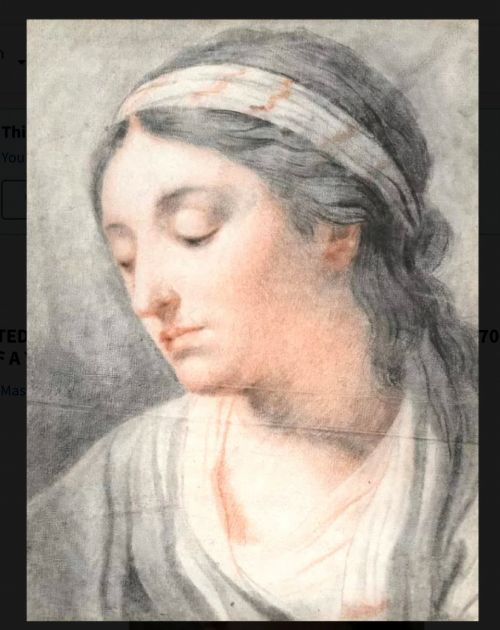
Many drawings incorporate watercolour washes, gouache or pastel to introduce colour highlights to the monochrome foundation. Support media frequently include buff paper, canvas and card, mounted within period wooden and gilded frames under glass.
Pencil Portrait Art Retail Price Guide 2026
Typical asking prices for pencil portrait art among the pieces listed under this phrase on Sellingantiques today, from the lower quarter to the upper quarter. They describe what is for sale here now, not the wider market.
Listings feature works spanning the eighteenth, nineteenth and twentieth centuries, utilising graphite, charcoal, watercolour and chalk on paper.
Factors of quality
Quality in these works rests upon the draughtsmanship and the psychological depth achieved by the artist in rendering the sitter's expression. Confident, economical line work and sensitive handling of light distinguish accomplished studies from routine output.
Condition also governs distinction, particularly the preservation of the paper support free from excessive foxing or fading. The integration of original period framing and documented provenance further elevates the standing of an individual sheet.
Augustus John·Ozias Humphry·John Taylor·Dame Laura Knight·Faeq Hassan
The Pencil Portrait Art Glossary
- Plumbago
- A graphite drawing technique popular in the seventeenth and eighteenth centuries, known for its fine detail and silvery grey tone.
- Graphite
- A form of carbon used as a drawing medium, offering varied tones from silvery grey to deep black depending on the grade.
- Works on paper
- A collective term encompassing drawings, watercolours and prints executed on paper supports.
- Academic realism
- A style of painting and drawing produced under the influence of European academies of art, emphasising accurate anatomical representation.
Pencil Portrait Art: Frequently Asked Questions
How should I display pencil portrait art?
These drawings require protection from direct sunlight to prevent the fading of graphite and paper supports. Framing behind UV-filtering glass ensures longevity in domestic interiors.
Position pieces away from damp environments like kitchens and bathrooms. Stable indoor humidity preserves both the paper and any historic wooden frames.
How do I date an antique drawing?
Dating relies on stylistic clues, costume details of the sitter and the type of paper used. Watermarks visible within the paper sheet often provide a manufacturing date range.
Inscriptions on the reverse or contemporary framing methods offer additional chronological evidence. Comparing the handling with documented works by known artists narrows the period further.
What is the difference between a study and a finished portrait?
A study is typically a preparatory sketch capturing a specific pose, expression or hand gesture quickly. These works often show visible grid lines or experimental hatching.
A finished portrait is a complete, resolved artwork intended as a final piece for exhibition or commission. Such pieces display refined tonal graduation and careful attention to the sitter's attire.
Are these drawings signed by the artist?
Signatures appear on a proportion of these works, sometimes as initials, monograms or full signatures in pencil or ink. Studio work from earlier centuries, however, frequently remained unsigned.
Exhibition labels, gallery provenance on the reverse or framing stamps often help authenticate unsigned pieces. Attributions are established through stylistic comparison with verified works by the maker.