



Patinated Iron Table
A patinated iron table brings industrial strength and dark metallic warmth into a room, offering a sturdy surface with deep historical character.
Patinated Iron Table
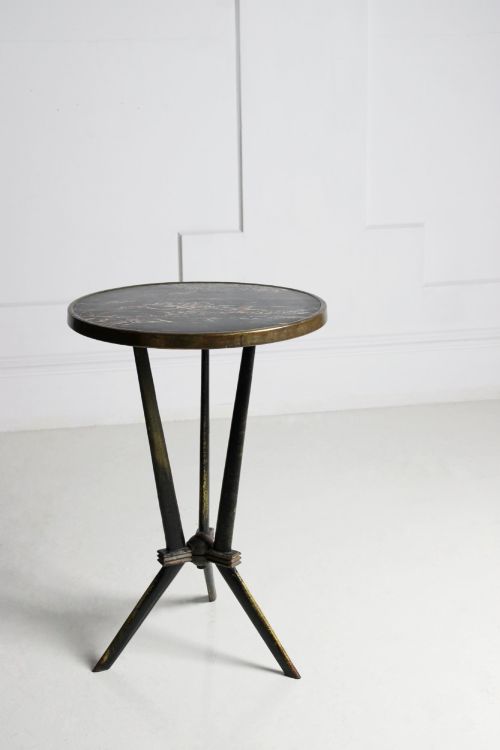
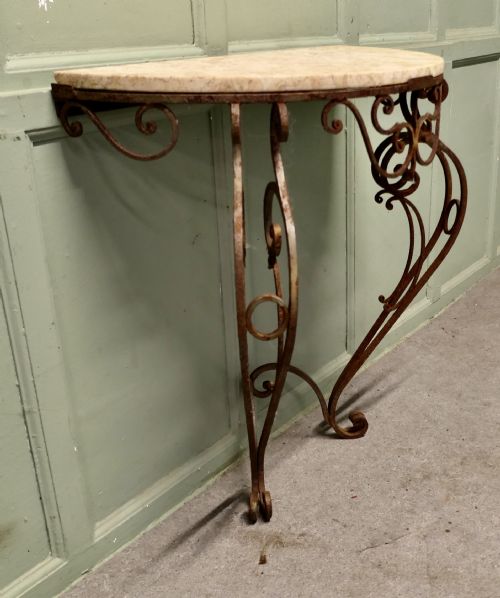
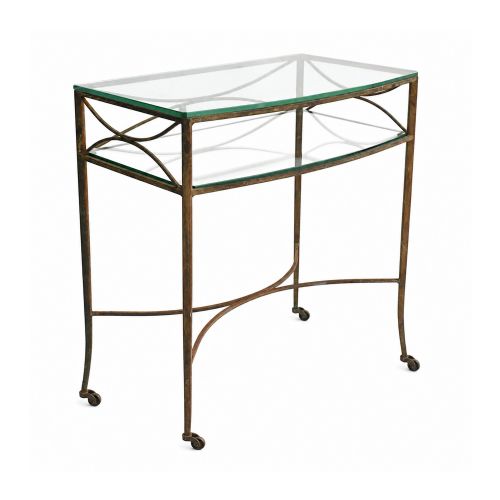
A patinated iron table encompasses functional furniture pieces fashioned from cast or wrought metal, often paired with glass, marble, or brass tops. When searching for a patinated iron table, buyers encounter console tables, coffee tables, bistro tables, and garden tables reflecting various historical epochs.
The selection ranges from nineteenth-century provincial designs to early twentieth-century industrial forms, including Art Deco variants and nineteenth-century revival styles. These items serve practical purposes in hallways, living spaces, and gardens while displaying distinct weathered surfaces.
Pieces frequently originate from French workshops, blending utilitarian iron construction with decorative provincial or industrial sensibilities. The combination of dark metal bases with contrasting stone or glass tops defines the core of this category.
Materials and construction
Construction relies heavily on cast iron and wrought iron, manipulated through founding and blacksmithing techniques to create robust frames and intricate bases. Artisans frequently combined these dark metals with contrasting materials like marble, brass, copper, and glass.
Surface finishes were achieved through natural ageing and applied treatments that developed distinctive patination over decades of use. The integration of structural ironwork with decorative elements demonstrates traditional metalworking methods suited to both indoor and outdoor environments.
Patinated Iron Table Retail Price Guide 2026
Typical asking prices for patinated iron table among the pieces listed under this phrase on Sellingantiques today, from the lower quarter to the upper quarter. They describe what is for sale here now, not the wider market.
Some iron tables come paired with surprising animal motifs, including sculpted hunting dogs and roaring lions supporting the tabletop.
Assessing quality and craftsmanship
Quality reveals itself in the finesse of the metalwork, from the precision of cast iron bases to the hand-forged details of wrought iron frames. Superior examples display thoughtful proportions and harmonious integration between the iron support and the glass, stone, or metal top.
The depth and authenticity of the patination significantly influence the character of each piece, distinguishing aged surfaces from recent alterations. Better examples maintain their original structural integrity while showing honest signs of historical wear.
The Patinated Iron Table Glossary
- Cast iron
- A strong, hard alloy of iron and carbon that is poured into moulds to create complex decorative shapes and sturdy furniture bases. It provides the heavy foundation seen in many nineteenth-century console and coffee table designs.
- Wrought iron
- Iron that is beaten, bent, and shaped by hand while hot, resulting in fibrous structures and unique forged details. This material characterises the rustic garden and console tables produced by traditional blacksmiths.
- Patination
- The surface alteration and mellowing of metal caused by age, oxidation, and handling over time. It creates the rich, dark visual depth that collectors value on antique ironwork.
- Console table
- A table designed to stand against a wall, frequently featuring a slender profile suitable for hallways or living rooms. They often combine iron bases with marble or mirrored tops.
- Art Deco
- A design style emerging in the early twentieth century characterised by sleek geometric forms and stylised ornamentation. Pieces from this era introduce cleaner lines to metal furniture design.
Patinated Iron Table: Frequently Asked Questions
Where should I place a patinated iron table?
These tables suit hallways, living spaces, and garden rooms where their robust construction and dark metal surfaces provide a strong anchor. Console versions work well against entrance walls, whilst coffee and bistro variants anchor seating arrangements.
Their industrial and provincial origins allow them to contrast effectively with softer textiles and traditional wooden furnishings in contemporary or period interiors.
How do I care for patinated iron?
Maintenance requires keeping the metal clean and dry, occasionally applying a light protective wax or oil to preserve the aged surface without stripping the original finish. Avoid harsh chemical cleaners that can damage the historical patination.
For tables with marble, glass, or wooden tops, use cleaning methods appropriate to those specific inset materials while protecting the iron framework underneath.
What is the difference between cast iron and wrought iron?
Cast iron is poured into moulds when molten, allowing for intricate sculptural details and heavy, rigid forms. It is commonly found in table bases and decorative furniture supports.
Wrought iron is worked by hand while heated, resulting in a fibrous texture and visible hammer marks that suit more rustic or linear furniture designs.
Are these tables suitable for outdoor use?
Many iron tables originate as garden or bistro furniture built to withstand exterior conditions, though prolonged exposure to moisture can increase weathering. Antique pieces with delicate patination or inset glass and marble are often better preserved indoors.
If placed outside, sheltered locations help protect the original surface finishes from excessive moisture and continued degradation.