





Painted Washstand
These painted washstand pieces bring genuine nineteenth century utility and colourful surface character into modern bedrooms and living spaces.
Painted Washstand
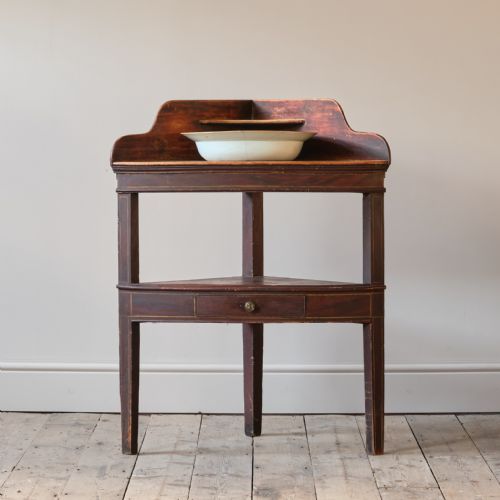
A painted washstand serves as a practical surface originally designed for morning ablutions, now valued for its distinct decorative painted finish and domestic utility. When exploring a painted washstand, buyers encounter sturdy pieces built to hold ceramic basins, ewers, and wash sets.
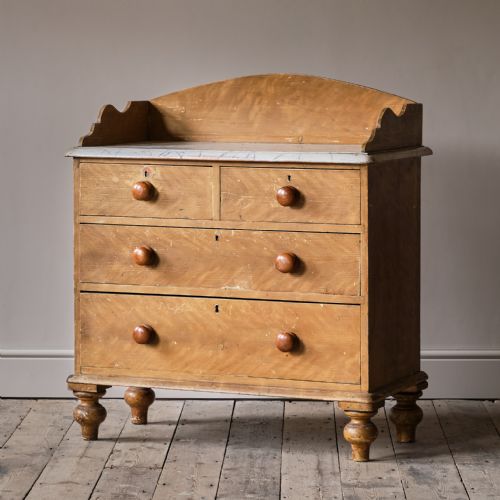
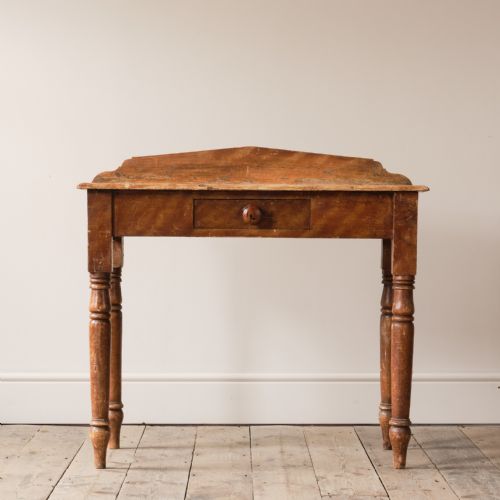
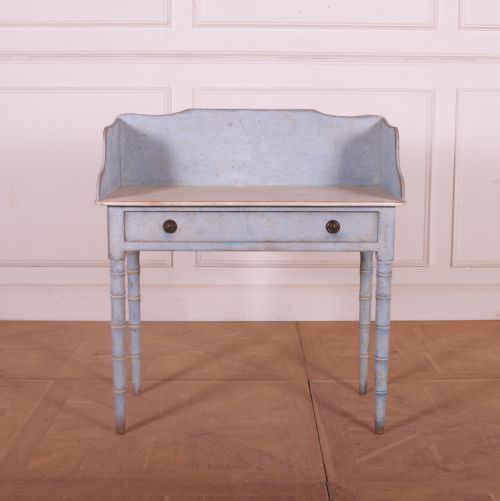
The selections span the nineteenth century, taking forms such as side tables, chests of drawers, and console tables alongside dedicated wash stands. Pieces range from simple pine country examples to more decorative Regency and Victorian forms featuring tray backs or faux marble tops.
Materials and construction
Makers constructed these washstands primarily from solid pine and other woods, applying original paint, grain finishes, or scumble effects directly to the timber. Selected pieces incorporate practical inset marble tops to resist water during daily use.
Surfaces often feature hand-painted details, sign-writing, or decorative finishes applied over wood, occasionally paired with ceramic basins, glass accessories, and brass hardware.
Painted Washstand Retail Price Guide 2026
Typical asking prices for painted washstand among the pieces listed under this phrase on Sellingantiques today, from the lower quarter to the upper quarter. They describe what is for sale here now, not the wider market.
One unexpected side table bears historic sign-writing for the Midland Grand Hotel.
Judging quality and finish
The survival of original paint or early grain finishes largely dictates the character and desirability of each piece. Intact decorative surfaces, authentic scumble effects, and untouched painted wood separate honest vernacular examples from later alterations.
Structural integrity across joints, the preservation of original tray backs, and the presence of matching ceramic wash sets or marble tops further distinguish finer domestic pieces from simpler utility items.
Mason's
The Painted Washstand Glossary
- Scumble
- A decorative painting technique involving a translucent layer of dark glaze manipulated over a lighter opaque base coat to simulate wood grain. This finish appears frequently on nineteenth-century country furniture.
- Tray back
- A raised wooden edge along the rear and sides of a washstand top designed to prevent water splashing against the wall. It provides a distinct profile easily identified on period examples.
- Faux marble
- A painted surface treatment designed to imitate the appearance of natural stone. Makers utilised this technique on wooden washstand tops to provide a durable, water-resistant surface.
- Wash set
- A matching collection of ceramic vessels, typically including a large basin and jug, made to sit upon a washstand. These sets often display regional pottery patterns from the period.
- Gaudy Welsh
- A distinctive style of brightly coloured pottery decoration featuring cobalt blue, copper lustre, and iron red on a white ceramic body. Pieces in this pattern occasionally accompany period toilet basins.
Painted Washstand: Frequently Asked Questions
What is a painted washstand used for today?
These versatile pieces function wonderfully as bathroom vanity units, hallway console tables, or bedroom side tables. Their flat surfaces and occasional drawers provide practical storage and display space.
Buyers often place ceramic jugs, wash sets, or modern ornaments on top to highlight their historic character while retaining daily utility in the home.
How do I identify original paint on furniture?
Original paint typically exhibits natural wear patterns, minor craquelure, and layers of patination accumulated over decades of domestic use. Examining the edges and undersides reveals the historic surface layers beneath subsequent wax or cleaning.
Avoid pieces showing stark synthetic emulsions or modern flat paints that obscure the underlying wood texture and period character.
What materials are common in nineteenth century washstands?
Solid pine serves as the primary structural timber for the vast majority of these country and domestic pieces. Surfaces feature historic paint, scumble glazes, and occasionally inset marble tops.
Secondary materials include ceramic washbasins, glass accessories, and brass fittings that complete the ensemble of the period.
How do Regency and Victorian styles differ?
Regency pieces often display cleaner architectural lines, lighter proportions, and sometimes delicate Chinoiserie or classical painted motifs. Victorian examples tend to be heavier, featuring robust pine construction and prominent grain finishes.
Both periods embraced functional designs tailored for washing, though Victorian pieces more frequently incorporate high tray backs and marble surfaces.