

Oval Opal Jewellery
Oval opal jewellery brings together colourful cabochon stones and precious metals across ring, pendant and earring forms.
Oval Opal Jewellery
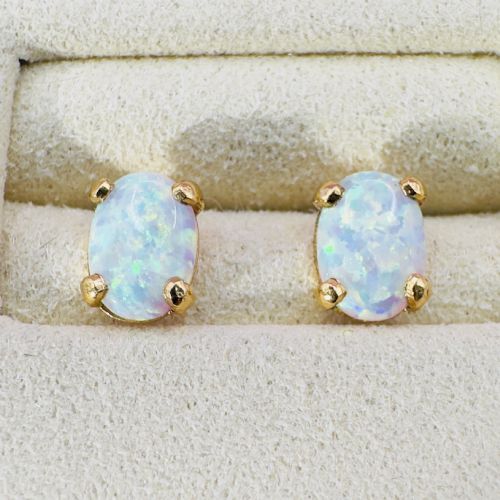
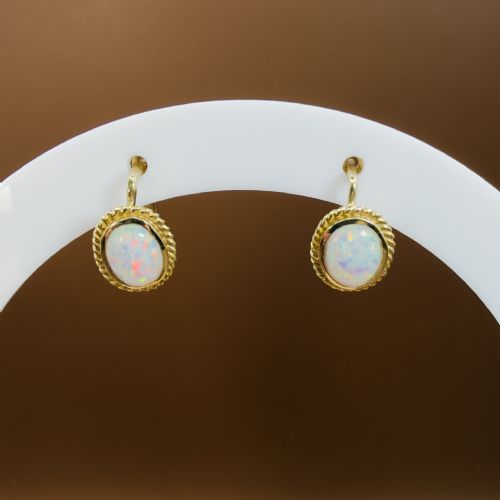
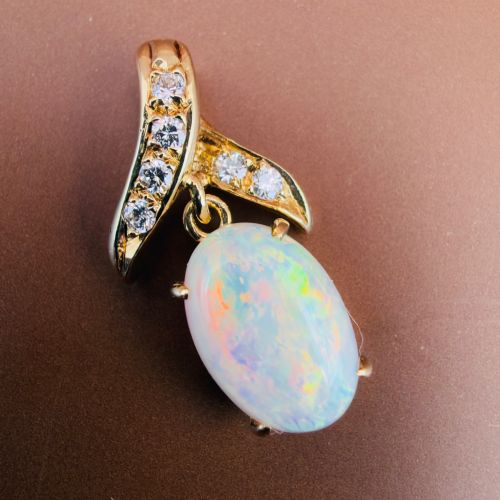
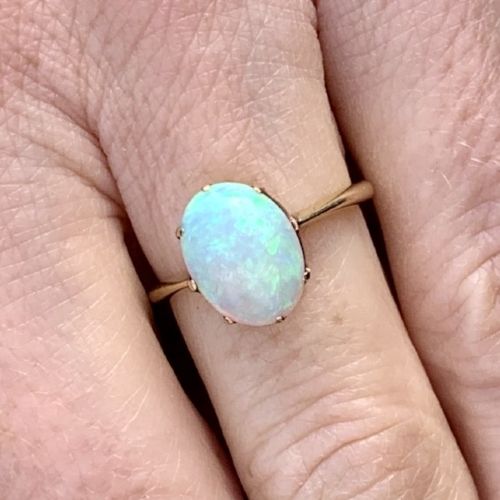
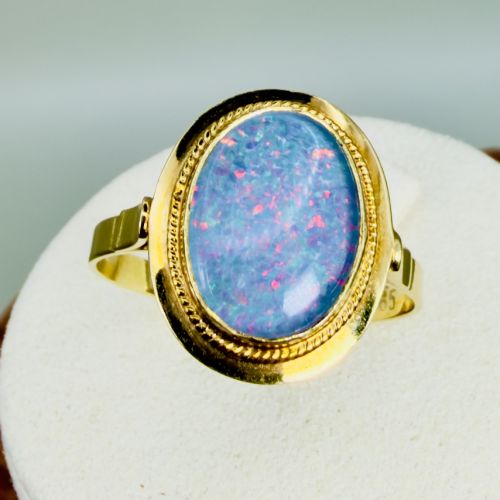
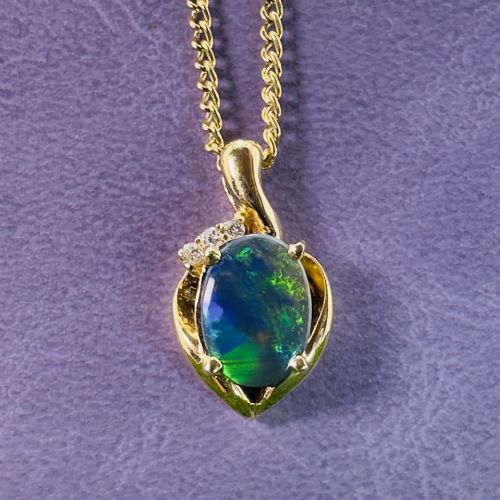
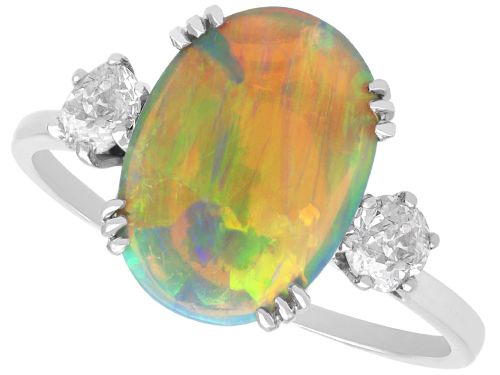
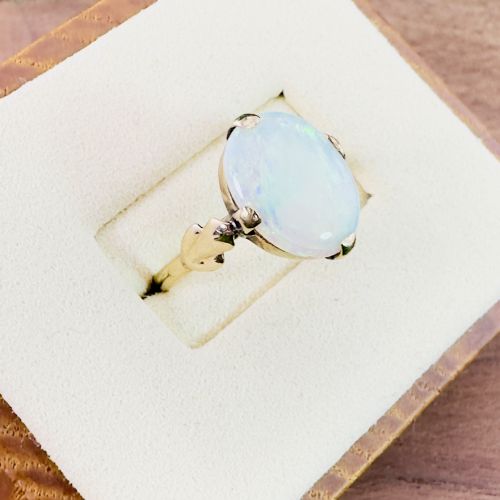
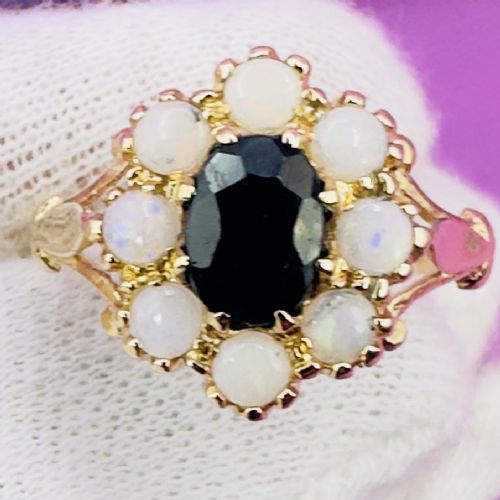
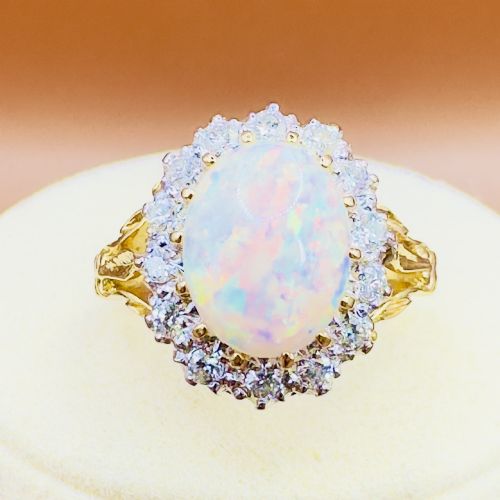
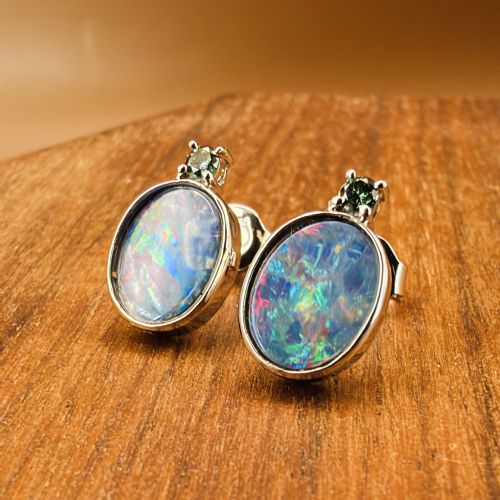
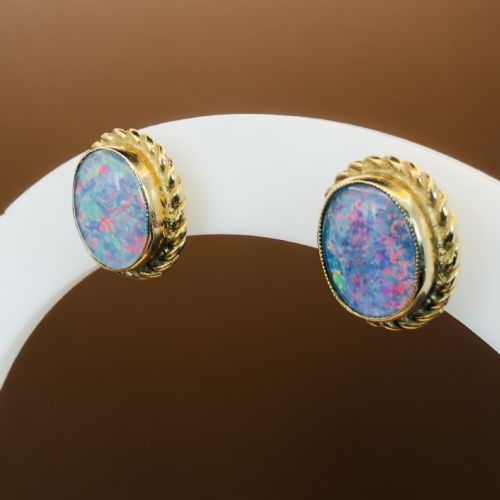
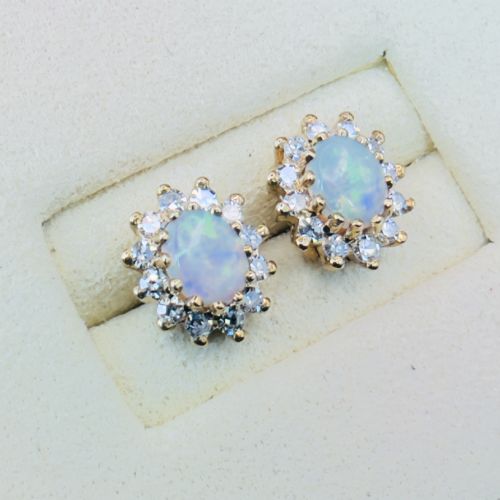
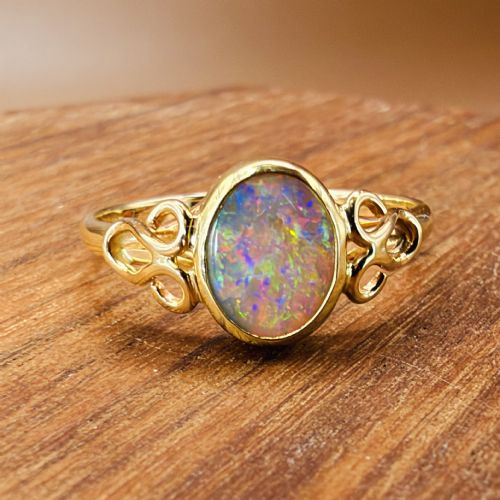
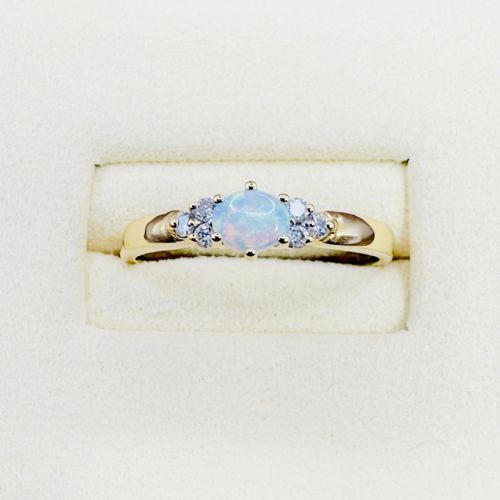
Oval opal jewellery comprises rings, pendants, earrings and bracelets featuring central cabochon cut opals shaped into rounded, curved profiles. These pieces span Victorian, Edwardian, Art Deco, mid-century and vintage periods, demonstrating a wide chronological range.
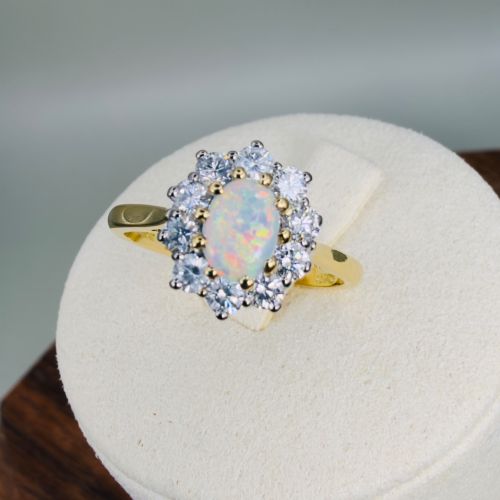
Solitaire rings and cluster designs dominate the selections, often pairing the central gemstone with surrounding diamonds in gold settings. Black opals, white opals, boulder opals and fire opals appear across these configurations.
The objects take many forms, including drop earrings, stud earrings, charm pendants and heavy cluster necklaces designed for daily wear or evening adornment. The stones are secured using traditional claw, bezel or prong mountings.
How they were made
Goldsmiths utilise various purities of yellow gold, white gold and platinum to construct the mountings, ranging from nine carat up to eighteen carat gold. Metalwork techniques include intricate filigree wirework, solid cast bezels and claw settings designed to secure curved stones safely.
Opals are shaped into smooth cabochons to emphasise their internal play of colour, sometimes complemented by faceted diamond accents set in platinum or gold clusters. Solid natural stones appear alongside doublets where a thin slice of opal is paired with a backing matrix.
Oval Opal Jewellery Retail Price Guide 2026
Typical asking prices for oval opal jewellery among the pieces listed under this phrase on Sellingantiques today, from the lower quarter to the upper quarter. They describe what is for sale here now, not the wider market.
The available selection includes boulder opal, black opal, fire opal and water opal set into rings, pendants and stud earrings.
What varies in quality
The intensity and distribution of the internal flash of colour within the opal stone dictate visual impact, alongside the weight and depth of the precious metal used in the mount. Heavier gold weights and substantial carat sizes elevate the physical presence of rings and pendants.
The integration of supporting diamonds, precision in the metal claw or bezel work, and the structural integrity of the setting distinguish simpler production from finer craftsmanship. Solid natural stones generally represent a different tier of manufacture compared to doublets.
The Oval Opal Jewellery Glossary
- Cabochon
- A gemstone cut with a smooth, rounded convex top rather than faceted planes. This style highlights the optical play of colour within opals.
- Doublet
- A composite gemstone made from a thin layer of natural opal glued to a darker backing material such as ironstone. This method enhances the perceived body colour.
- Cluster
- A setting arrangement where a central stone is surrounded by a ring of smaller accent gems, typically diamonds. This layout maximises overall sparkle.
- Bezel
- A metal rim that surrounds and secures the gemstone by wrapping tightly over its outer edge. It provides a smooth, protective border.
- Boulder opal
- An opal found naturally embedded in its host ironstone matrix, which remains attached to the back of the finished gem. This type often displays strong natural dark backgrounds.
Oval Opal Jewellery: Frequently Asked Questions
How do I care for my opal jewellery?
Opals contain natural water content and require gentle handling away from harsh chemicals, ultrasonic cleaners and extreme temperature shifts. Store them safely in soft pouches.
Clean the metal and stone gently using a damp cloth without soaking the entire piece in water for extended periods.
What is the difference between solid opals and doublets?
Solid opals consist entirely of natural opal material cut from a single piece of rough stone. They represent unadorned natural formation.
Doublets combine a genuine opal slice with a supporting backing layer to add structural strength and deepen the apparent colour play.
How can I tell the period of an opal ring?
Stylistic clues such as filigree wirework, platinum usage and claw shapes help distinguish Edwardian and Art Deco pieces from Victorian or mid-century designs. Hallmark stamps inside the band offer further verification.
Examining the construction methods used for the setting reveals manufacturing techniques specific to certain decades.
Are these pieces suitable for everyday wear?
Pendants, earrings and brooches experience minimal physical impact and suit regular daily use. Rings require slightly more caution due to the softer nature of opal compared to diamonds.
Choosing bezel settings helps protect the stone edges from accidental knocks during routine daily activities.