





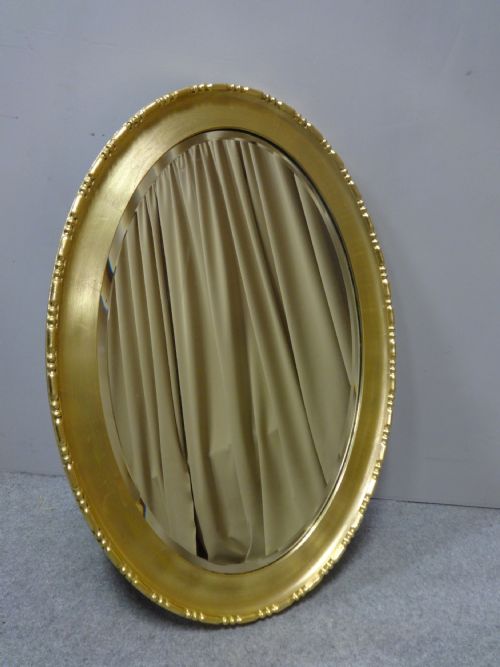
Oval Fireplace Mirror
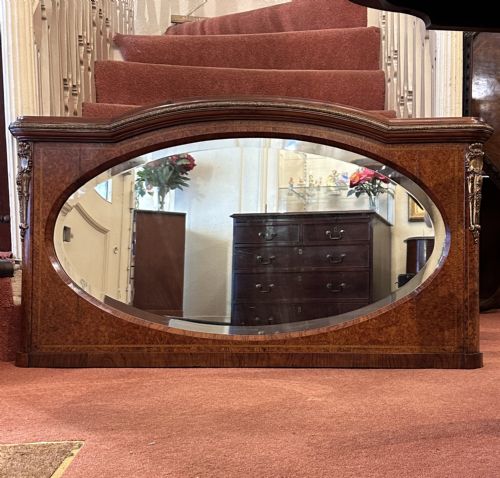
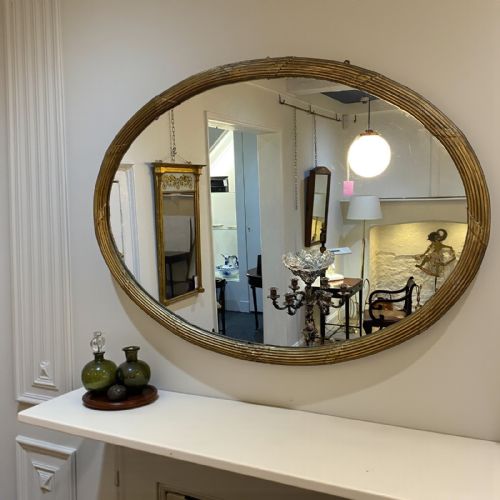
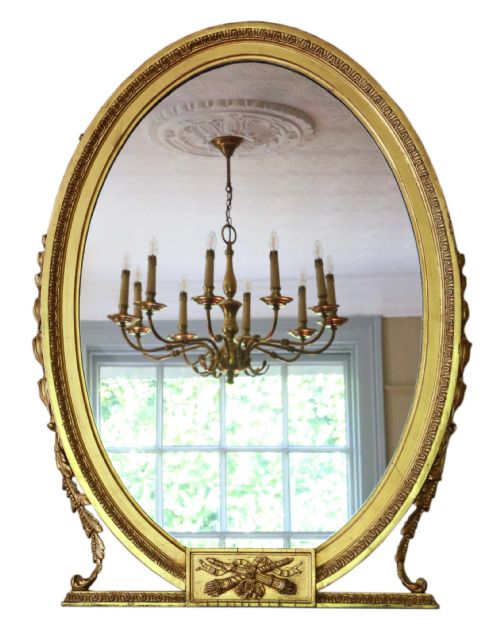
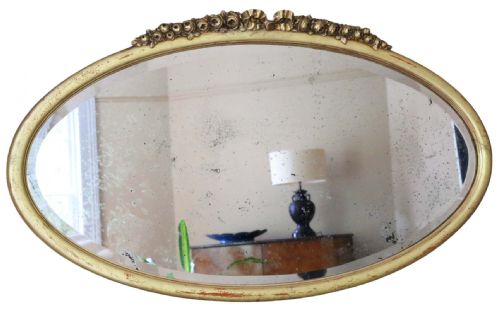
These oval fireplace mirror examples bring height and reflected light to a chimney breast, shaped in giltwood, cast iron, and burr yew across Victorian and Edwardian rooms.
Oval Fireplace Mirror
An oval fireplace mirror sits above a mantelpiece to draw light across a room and balance the hearth below. When you search for an oval fireplace mirror, you encounter overmantel mirrors and wall mirrors spanning the nineteenth and early twentieth centuries.
The examples gathered here range from simple gilt frames to ornate pieces featuring laurel wreaths, griffin friezes, and domed tops. Victorian and Edwardian iterations dominate, alongside Regency, William IV, Adam style, and Rococo Revival designs.
Most pieces serve as overmantels designed specifically for the proportions of a fireplace, whilst others function as principal wall mirrors. Their forms extend from restrained wooden mouldings to elaborate composition and gesso work.
How they were made
Giltwood, gesso, and composition provide the ornate surfaces of these frames, applied over pine or structural timber foundations. Craftsmen carved wood or moulded applied ornament to achieve neoclassical motifs, scrolls, and classical friezes before applying gold leaf or paint.
Alternative materials include heavy cast iron for robust structural surrounds and burr yew-wood paired with ormolu mounts for distinctive grain and metallic contrast. Glass plates are fitted to follow the curved perimeters of the oval frames.
Listings feature nineteenth and early twentieth-century pieces, spanning Victorian, Edwardian, Regency, and Adam styles in giltwood, cast iron, and burr yew.
What varies in quality
The skill of the carver or moulder determines the crispness of the ornament, separating finely rendered foliage and friezes from softer, shallower pressed decoration. The choice of primary timber, whether solid pine, burr yew, or cast metal, dictates the structural weight and character of the frame.
Gilding technique and the preservation of the original surface layers separate standard decorative frames from superior examples. Integrated details such as ormolu mounts and well-proportioned bevelled glass plates elevate the execution of the piece.
The Oval Fireplace Mirror Glossary
- Overmantel mirror
- A glass framed specifically to hang on the wall directly above a fireplace mantelpiece. These pieces often feature horizontal or vertical proportions suited to the width of a chimney breast.
- Giltwood
- Timber that has been coated with a thin layer of gold leaf over a prepared gesso base. This technique creates a luminous metallic finish characteristic of formal period frames.
- Gesso
- A plaster-like mixture applied to wood frames to provide a smooth surface for gilding or to be moulded into relief decoration. It allows intricate ornamental details to be formed before finishing.
- Ormolu
- Gilded bronze mounts applied as decorative accents to furniture and mirror frames. The technique adds contrasting metallic highlights to wood or gesso surfaces.
- Composition
- A moulded material made from whiting, linseed oil, resin, and glue used to create decorative frame ornaments. It provides a durable alternative to hand-carved wood.
Oval Fireplace Mirror: Frequently Asked Questions
How do I hang an overmantel mirror safely?
These heavy frames require secure fixings anchored directly into the masonry or studs of the chimney breast. The weight of giltwood and cast iron demands professional wall brackets rated for substantial loads.
Position the lower edge just above the mantel shelf to anchor the visual weight of the fireplace. Ensure the hanging wire or mirror plates distribute the load evenly across the frame structure.
What is the difference between an overmantel and a wall mirror?
An overmantel mirror is traditionally proportioned to sit above a fireplace hearth, often featuring a wider base or specific height to bridge the gap between shelf and ceiling. Wall mirrors are designed for general room placement without relation to a mantel.
Many examples function in both roles depending on their dimensions and the room layout. Examining the original hanging hardware helps determine its intended architectural context.
How can I tell a Victorian frame from an Edwardian one?
Victorian pieces from the mid to late nineteenth century often display heavier ornamentation, deep gesso mouldings, and formal revival styles like Rococo or Neoclassical. Edwardian examples tend towards lighter, simpler proportions and refined execution.
Examining the construction joints, backing boards, and the composition of the gilding helps clarify the period of manufacture. Regional English cabinet-making traditions also influence the specific timber and finishing details.