


Outdoor Metal Furniture
Outdoor metal furniture turns a terrace into an outdoor room, offering enduring benches, tables and chairs shaped from cast iron, wrought iron and steel.
Outdoor Metal Furniture
When you search for outdoor metal furniture, you encounter sturdy garden seating, dining sets, and plant stands designed to withstand the elements. The pieces span from the Regency era through the Victorian period into the nineteen-twenties and nineteen-thirties, reflecting changing tastes in garden decoration.
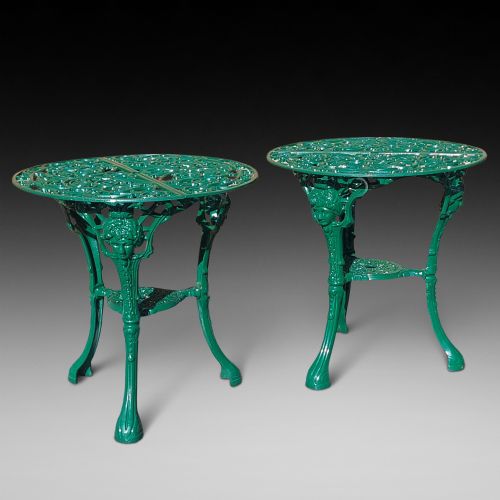
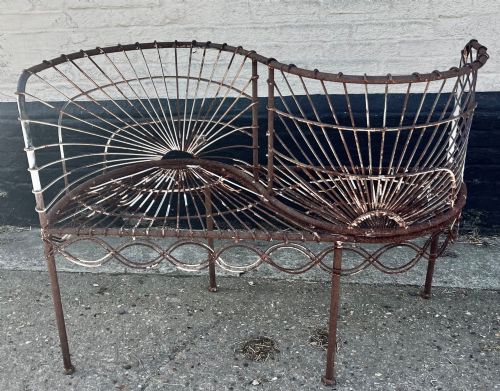
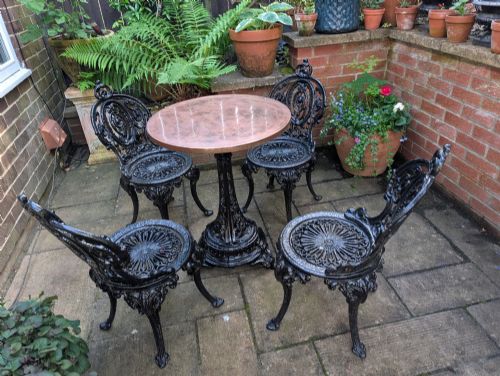
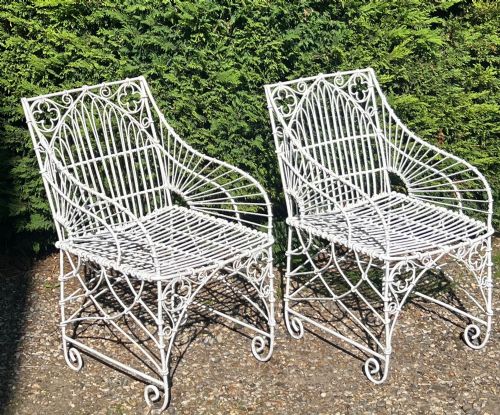
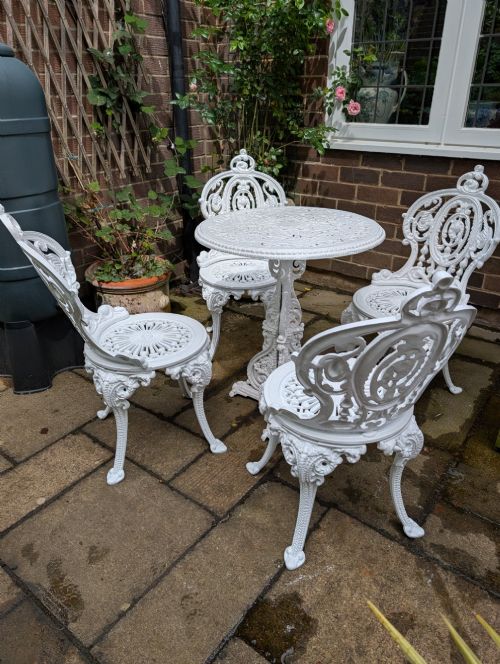
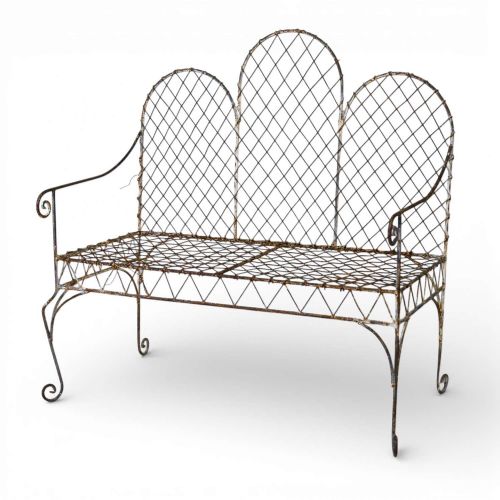
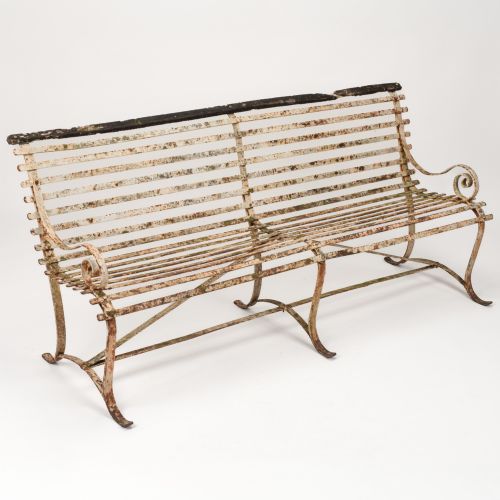
You are most likely to meet cast iron garden benches and tables, often paired with matching chairs or configured as bistro sets. Examples range from ornate Victorian seats with lion masks or rustic wirework to sleek French metal loungers and strapwork benches.
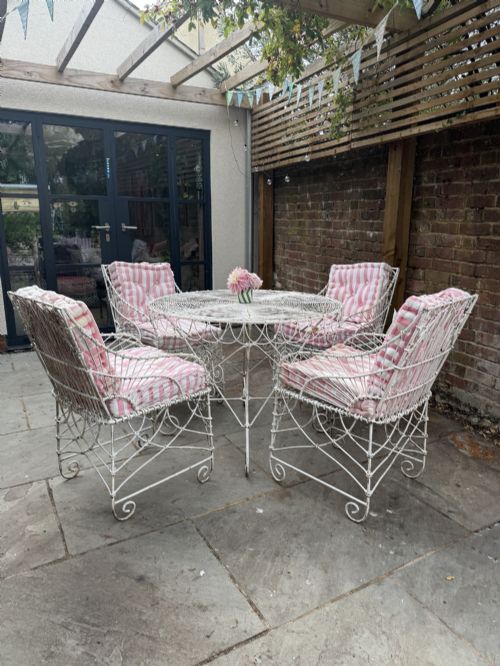
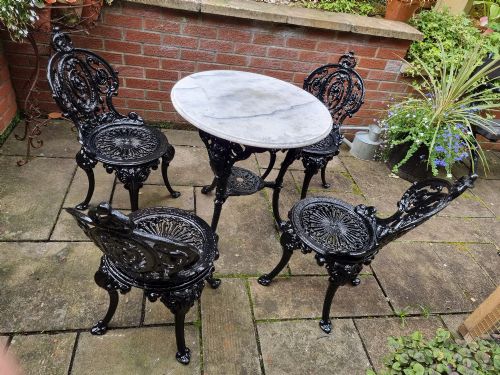
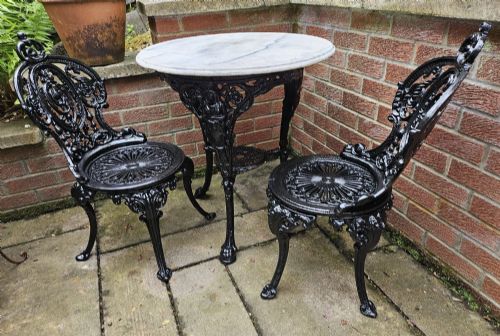
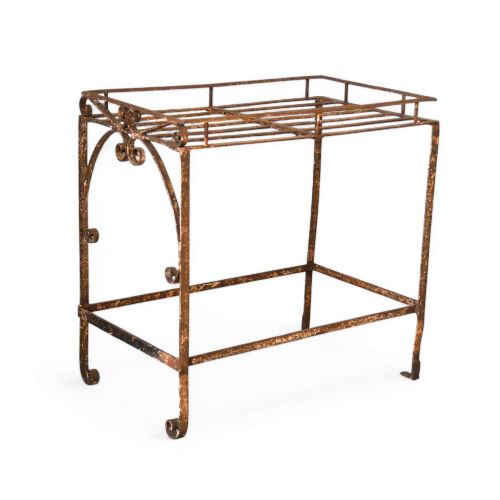
The selection includes specialised forms such as multi-tiered plant stands, jardinere stands, and garden dining sets intended for patio or terrace use. Makers utilised timber inserts and marble tops alongside heavy metal frames to create functional open-air furnishings.
Materials and construction
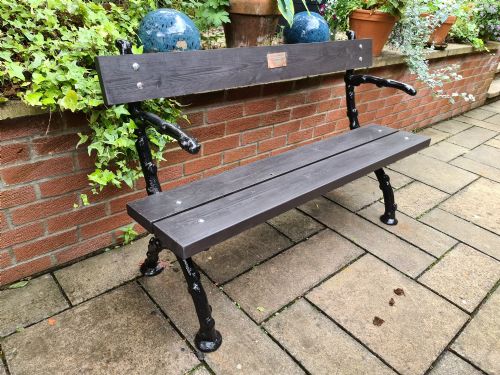
Foundries shaped these items primarily from cast iron and wrought iron, utilising moulds for intricate decorative details and hand-forging for structural strapwork. Iron components frequently combine with timber slats or wooden elements to form comfortable seats and tabletops.
Makers applied protective layers of paint to guard against rust, a finish that patinates over decades of exposure to weather. Marble tops and fabric elements occasionally augment the metal frames on tables and lounging pieces.
Outdoor Metal Furniture Retail Price Guide 2026
Typical asking prices for outdoor metal furniture among the pieces listed under this phrase on Sellingantiques today, from the lower quarter to the upper quarter. They describe what is for sale here now, not the wider market.
A few resilient garden seats even come equipped with their own protective metal canopies, ensuring you stay dry while pondering the begonias.
Assessing quality and finish
Quality rests in the crispness of the casting and the complexity of the design, such as high-relief foliage, lion masks, or precise strapwork. Finer examples display meticulous attention to decorative details on bench backs, table pedestals, and plant stands.
Structural integrity separates superior items from ordinary ones, particularly where heavy cast iron meets wood or where frames bear the weight of weather and use. Original surfaces and retained paint layers preserve the character of the piece more effectively than aggressive modern refurbishment.
Christopher Dresser·Coalbrookdale
The Outdoor Metal Furniture Glossary
- Cast iron
- A strong, heavy alloy poured into moulds to create rigid forms with intricate decorative relief. It defines the structure of many period garden benches and tables.
- Wrought iron
- Iron heated and hammered into shape by hand, resulting in flexible, durable components. It appears frequently in strapwork benches and structural garden racks.
- Strapwork
- A decorative pattern of flat, intersecting metal bands resembling leather straps. It characterises many Regency and later garden seats and tables.
- Jardinere stand
- An elevated circular or tiered holder designed specifically for displaying potted plants and flowers. These stands often feature weathered cast iron construction.
- Wirework
- A technique utilising interwoven metal wires to form lightweight, airy garden furniture and plant supports. It represents a distinct Victorian outdoor style.
Outdoor Metal Furniture: Frequently Asked Questions
How do I care for antique metal garden furniture?
Keep the pieces clean by brushing away debris and wash them gently with mild soap and water when necessary. Avoid harsh chemical strippers that remove the historic paint layers.
Protect the iron during harsh winter months by storing items under cover or in a dry shed. Maintaining a stable environment prevents accelerated corrosion on vulnerable joints and wooden components.
Can outdoor metal furniture stay outside all year?
Cast iron and wrought iron withstand outdoor conditions well, though prolonged exposure to moisture eventually causes surface rust. Traditional pieces tolerate rain and sun if positioned on well-drained paving rather than damp soil.
Move delicate items or those with wooden tops indoors during freezing winter weather to prevent cracking. Regular inspection helps catch early signs of weathering before structural damage occurs.
How do I date a cast iron garden bench?
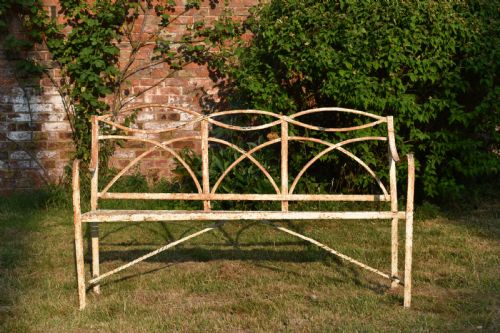
Examine the bolt types, casting marks, and stylistic motifs to determine the period of manufacture. Regency and early Victorian pieces often feature crisp strapwork or Gothic-influenced arches.
Compare the overall weight, thickness of the metal, and decorative details against known nineteenth-century design patterns. Estate provenance and manufacturer signatures provide further clues to exact age.
What is the difference between cast iron and wrought iron?
Cast iron is poured into a mould in a liquid state, resulting in heavy, rigid components ideal for ornate relief decoration and lion masks. It tends to fracture under sudden heavy stress rather than bend.
Wrought iron is beaten and forged by hand while hot, producing pliable, fibrous bars suited for strapwork and structural frames. Wrought iron pieces generally feel lighter and flex slightly under pressure.