



Ornate Metal Pendant Light
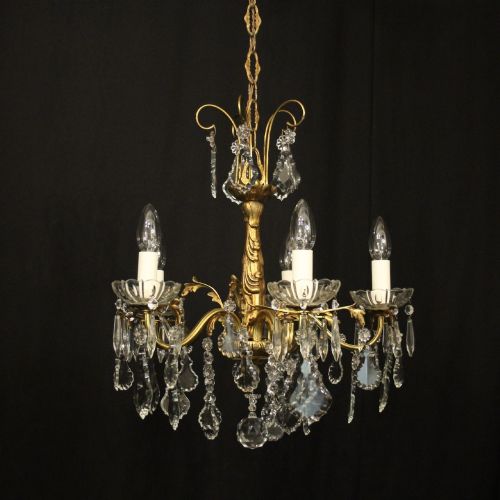
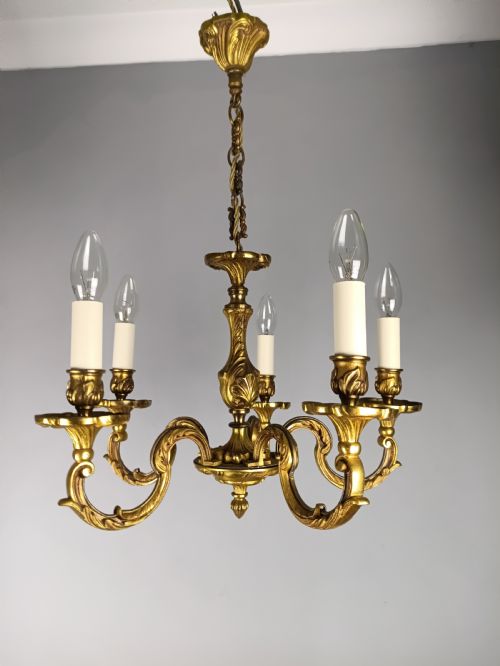
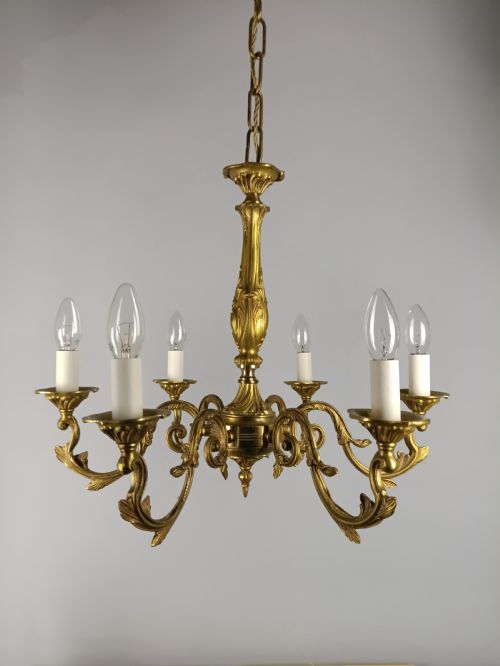
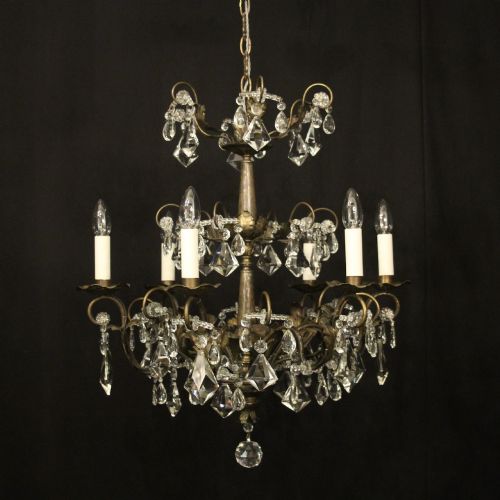
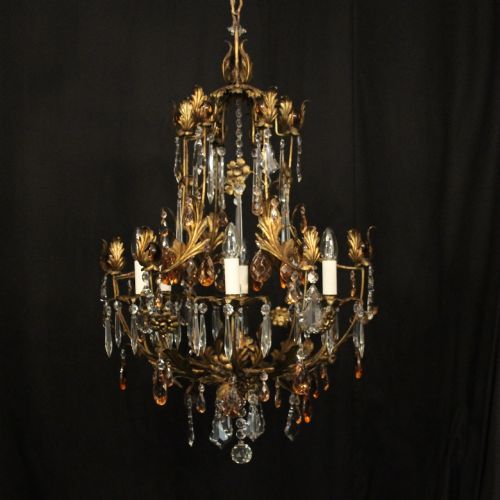
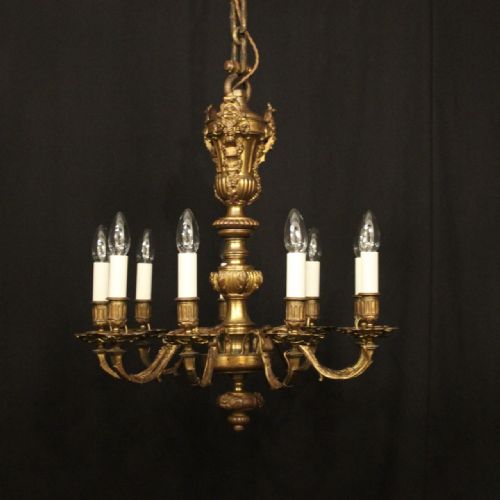
These ornate metal pendant light fixtures bring heavy cast metals and intricate glass together to cast warm, period illumination.
Ornate Metal Pendant Light
When you search for an ornate metal pendant light, you are looking at substantial hanging light fixtures designed to anchor a room from the ceiling. These pieces bridge several decades of design, spanning the nineteenth century through the nineteen-thirties.
You will most commonly meet French and Italian examples finished in gilt bronze, brass, or ormolu. The forms range from multi-armed chandeliers and flush plafoniers to singular pendant lights.
Makers drew on diverse design languages, incorporating French Rococo, Italian Florentine, and Art Nouveau motifs into the metalwork. These fixtures often integrate crystal drops and cut glass elements to catch and refract the light.
How these lights were made
The construction of these pieces relies heavily on cast bronze and brass frameworks, shaped into arms, branches, and elaborate mounts. Gilt and ormolu finishes were then applied to the metal surfaces to create a rich, reflective golden sheen.
Glass components were individually hand-cut and draped alongside crystal drops, suspended from the metal frames using wire loops or pins. Earlier examples, such as nineteenth-century gasoliers, were originally built to handle gas plumbing before being rewired for electricity.
Ornate Metal Pendant Light Retail Price Guide 2026
Typical asking prices for ornate metal pendant light among the pieces listed under this phrase on Sellingantiques today, from the lower quarter to the upper quarter. They describe what is for sale here now, not the wider market.
The inventory records pieces originating from French Rococo, Italian Florentine, and Art Nouveau aesthetic traditions.
What varies in quality
The distinction between tiers of these lights rests largely on the crispness of the metal casting and the depth of the gilding. Heavier cast bronze and finely chased ormolu display sharper decorative details than simpler pressed metal alternatives.
The quality of the glass and crystal components also dictates the piece, with deep hand-cutting creating superior refraction compared to plain pressed glass. Furthermore, the structural complexity, such as an eight-branch layout versus a simpler single-light form, changes the visual weight of the fixture.
The Ornate Metal Pendant Light Glossary
- Ormolu
- Gilded bronze, where a layer of gold amalgam is applied to a bronze base through heat processing. This technique yields a durable and deeply lustrous golden finish.
- Plafonier
- A ceiling-mounted light fixture that sits relatively flat against the plaster. These fittings direct illumination downward into the room.
- Gasolier
- A light fixture originally designed to burn gas fuel before later conversion to electricity. They often feature robust metal branching to support the historical gas lines.
- Florentine
- A decorative style originating from Florence, characterised by ornate leaf scrollwork and naturalistic brass or gilt motifs. It frequently appears in Italian chandeliers from the early twentieth century.
Ornate Metal Pendant Light: Frequently Asked Questions
Can I shorten the hanging chain on these lights?
Many of these fixtures allow for length adjustments by removing links from the suspension chain and shortening the internal electrical flex. However, altering the drop requires care to maintain the visual balance between the ceiling mount and the body of the light.
Professional intervention is recommended when adjusting heavy multi-armed fixtures to ensure the load remains balanced. Retain any removed links safely in case you ever need to re-hang the piece at a higher ceiling height.
How do I clean cut glass and crystal pendants?
Regular maintenance involves dusting the metal frame and glass components with a soft feather duster or dry microfiber cloth. For a deeper clean, remove the crystal drops individually and wash them in warm soapy water before drying thoroughly.
Avoid spraying liquid cleaners directly onto the gilt bronze or ormolu surfaces, as moisture can degrade historic finishes. Wipe the metal framework gently with a dry cloth to preserve the original patina.
What period do these metal pendant lights come from?
The pieces seen in this category primarily date from the nineteenth century up through the nineteen-thirties. You will encounter nineteenth-century gasoliers alongside nineteen-tens Art Nouveau designs and nineteen-twenties or thirties Florentine fixtures.
Stylistic cues such as cast bronze work and cut glass span across these decades. Examining the construction methods and metal finishing helps place a specific piece within this timeline.