


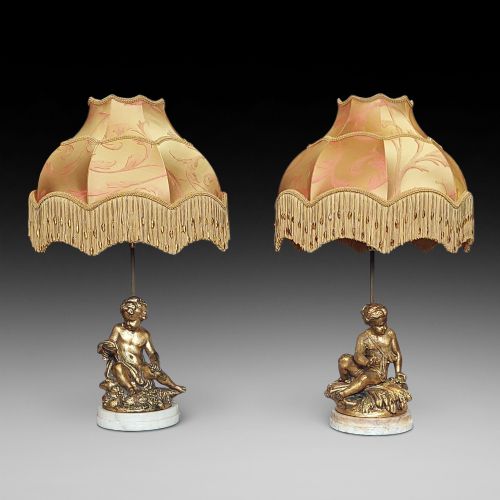


Ornate Lamp Base
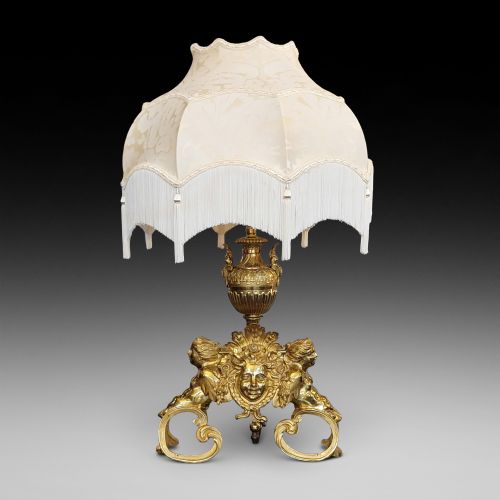
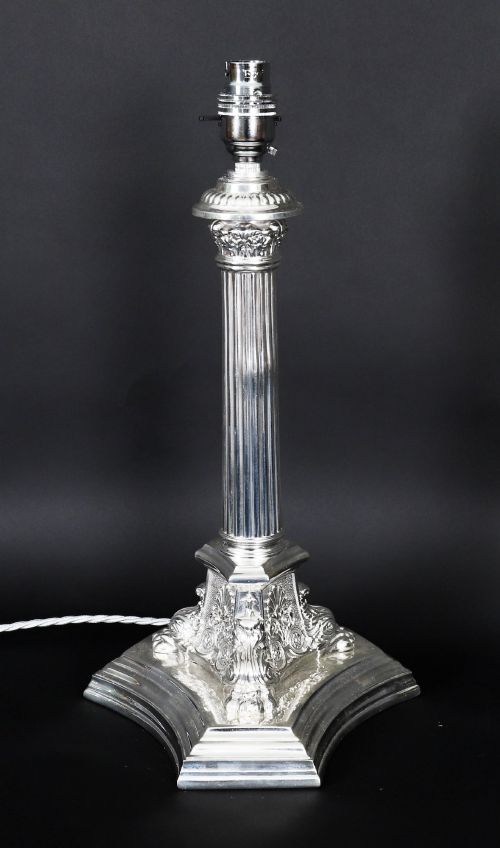
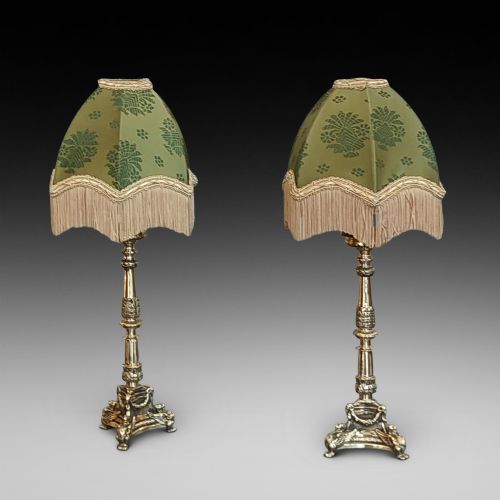
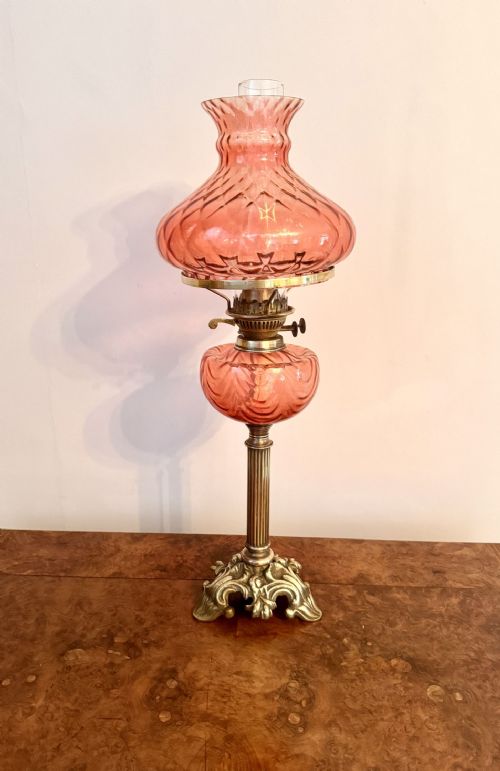
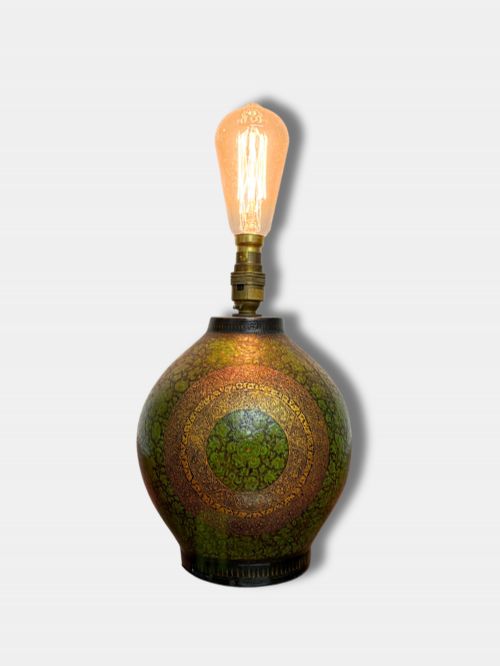
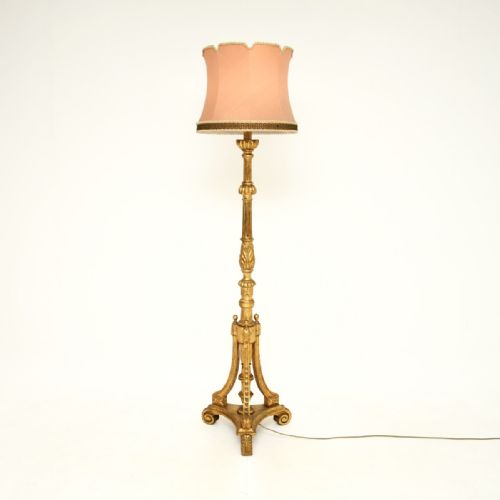
An ornate lamp base brings heavy cast metal, carved wood and coloured glass into a room, anchoring the lighting with Victorian and Edwardian weight.
Ornate Lamp Base
An ornate lamp base spans table lights, oil lamps and tall standard lamps designed to hold illumination with decorative flair. When searching for an ornate lamp base, buyers encounter heavy floor models and smaller desk pieces from the nineteenth and early twentieth centuries.
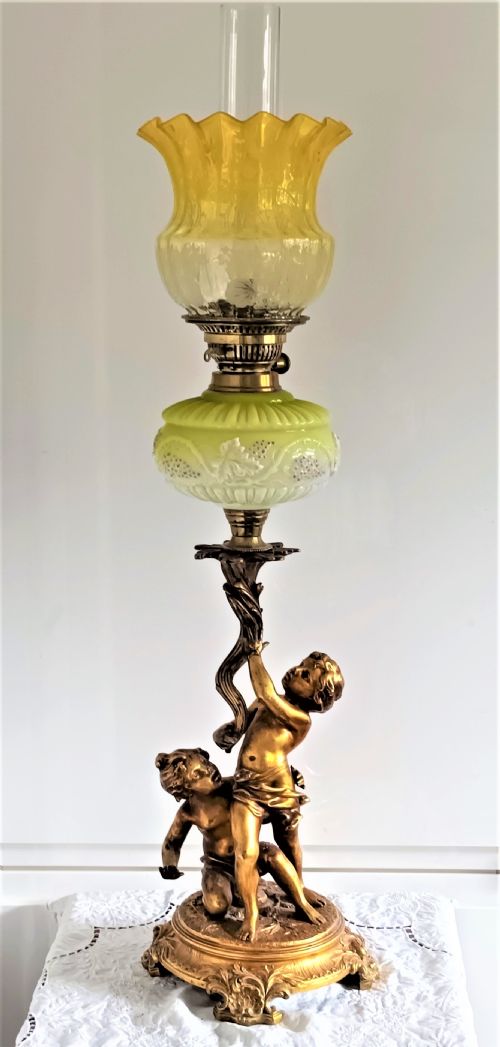
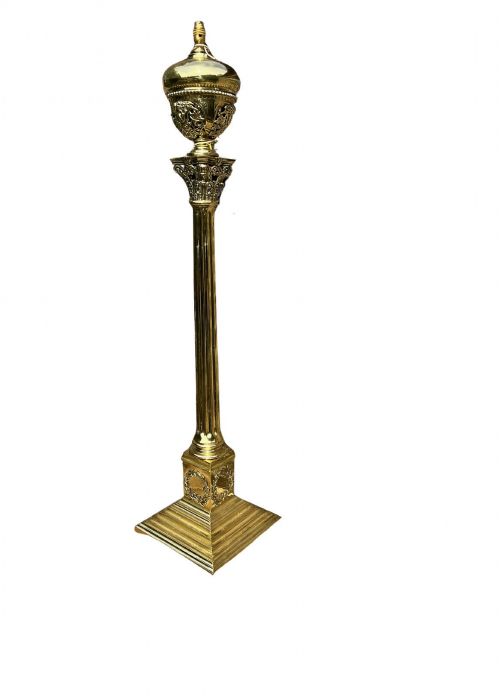
The selection includes classical columns, figural statuettes, and floral openwork from various origins including English, French, and Italian workshops. Many started life as oil lamps or altar pieces before later conversion to take electrical fittings.
Victorian and Edwardian examples dominate the offerings, bringing substantial metal and carved materials into domestic interiors. Buyers frequently find paired items alongside singular tall standards and smaller side lights.
How they were made
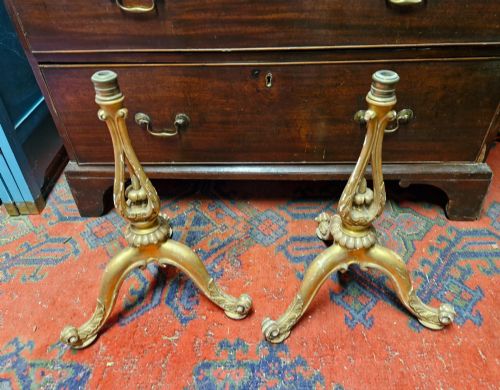
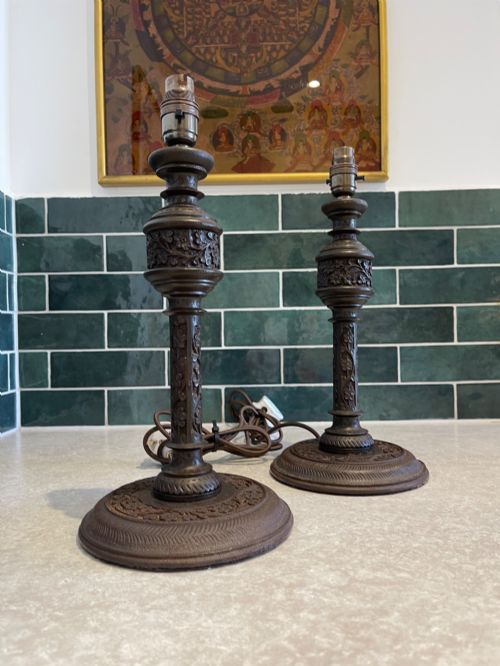
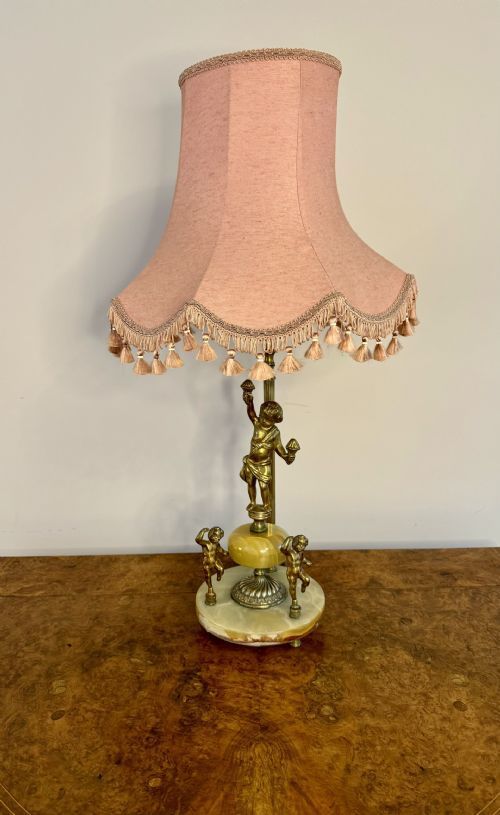
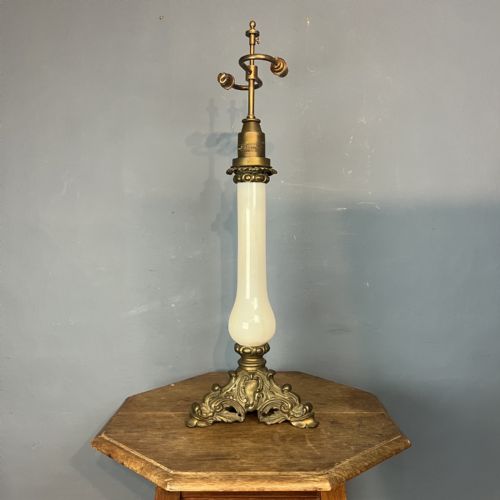
Foundry casting dominates the metal pieces, utilising brass, bronze, gilt metal and spelter to create intricate openwork and classical columns. Artisans combined these metals with carved wood, giltwood, onyx and marble bases to add weight and colour contrast.
Ornate Lamp Base Retail Price Guide 2026
Typical asking prices for ornate lamp base among the pieces listed under this phrase on Sellingantiques today, from the lower quarter to the upper quarter. They describe what is for sale here now, not the wider market.
Several heavy metal figures stand ready to illuminate the room, having spent their early days as altar lamps or oil burners.
What varies in quality
The refinement of the casting and the depth of the chasing separate standard production pieces from finer studio work. Sharp detail in figural statuettes, floral openwork and classical capitals indicates a superior hand at the bench.
The choice of secondary materials marks the distinction between grades, with genuine marble, onyx and heavy hand-carved giltwood sitting above lighter pressed brass and composite substitutes. Original surface treatments, such as untouched gilding and period glass components, elevate the standing of a piece.
Mc Gary
The Ornate Lamp Base Glossary
- Ormolu
- Gilded bronze, usually mercury gilded, applied to decorative metalwork on nineteenth-century bases. This technique provides a deep, warm metallic lustre.
- Opaline glass
- An opaque or translucent pale glass used for reservoirs and body sections on Victorian lamps. It diffuses light with a soft pastel hue.
- Corinthian column
- A classical architectural column style featuring ornate acanthus leaves on the capital, frequently used for tall brass lamp standards.
- Spelter
- A zinc alloy used as a cheaper alternative to bronze for cast figures and bases, often painted to resemble heavier metals.
Ornate Lamp Base: Frequently Asked Questions
Were these always electric lamps?
Many of these pieces began as oil lamps, altar lights or candle stands before being adapted for electricity in later decades.
Conversions often utilise existing internal channels for wiring, preserving the original metal or ceramic body without altering its external appearance.
How do I identify a Victorian base?
Victorian examples typically rely on heavy brass castings, Corinthian columns or opaline glass reservoirs with patent stamps.
They carry the substantial weight and darker patination characteristic of mid to late nineteenth-century metalwork.
Where should I place a standard lamp?
Tall floor models and standard lamps suit corners of reception rooms or beside large armchairs where they can provide ambient illumination.
Their heavy marble or metal bases require stable flooring to support the height and weight of the fitting.
What is the difference between gilt bronze and gilt metal?
Gilt bronze uses a copper and tin alloy base beneath the gold surface, offering crisp detail and heavy weight from the foundry.
Gilt metal often covers lighter brass, spelter or mixed base alloys used in more accessible production pieces.