



Ornate Iron Planters
These ornate iron planters bring architectural weight to gardens and terraces through robust nineteenth-century metalwork.
Ornate Iron Planters
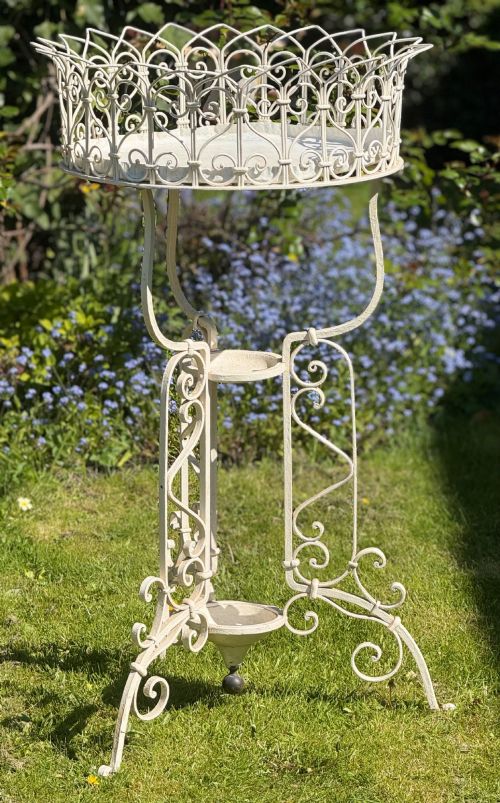
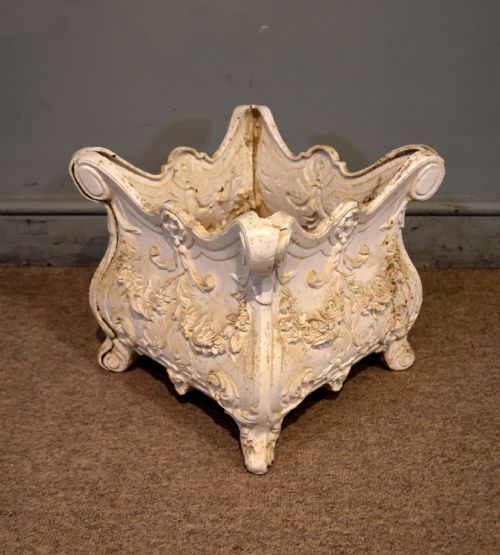
When you search for ornate iron planters, you are looking at substantial vessels designed to hold greenery and floral displays outdoors or in conservatories. The pieces seen on this page span the nineteenth century, including Victorian examples and nineteenth-century French designs.
Forms range from garden urns and jardinieres to plant stands and plinth-based vessels. You are most likely to meet heavy cast iron planters and plant stands bearing classical or gadrooned detailing from the Victorian era.
How they were made
Foundries utilised durable cast iron and wrought iron to form these heavy garden vessels. Molten metal poured into moulds created deep relief patterns, crisp gadrooning, and structural plinth bases.
Surfaces frequently received protective coats of paint or dark enamel finishes to withstand outdoor elements. These foundational materials ensure lasting strength and heavy weight.
Ornate Iron Planters Retail Price Guide 2026
Typical asking prices for ornate iron planters among the pieces listed under this phrase on Sellingantiques today, from the lower quarter to the upper quarter. They describe what is for sale here now, not the wider market.
Some nineteenth-century coal scuttles moonlighted as planters after the hearth went out of fashion.
What varies in quality
Quality rests in the crispness of the cast decoration and the depth of the relief work. Pieces featuring sharp gadrooning and clean architectural lines stand apart from simpler castings.
Proportion and balance define the better examples, particularly in matched pairs of garden urns. The weight of the metal and the integrity of the plinth base further distinguish superior specimens.
Coalbrookdale
The Ornate Iron Planters Glossary
- Gadrooned
- Decorated with a carved or cast series of convex curves or flutes. This ornamental motif frequently appears around the rim or body of classical urns.
- Jardiniere
- An ornamental pot or stand designed to hold growing plants or flowers. These vessels often sit upon pedestals or plinth bases.
- Plinth Base
- A heavy rectangular or square block serving as the foundation for an urn or planter. It elevates the vessel and adds stability to the composition.
- Cast Iron
- Iron shaped by pouring molten metal into a mould. This heavy material allows for intricate decorative relief work on garden planters.
Ornate Iron Planters: Frequently Asked Questions
Where should I place ornate iron planters?
These heavy vessels suit formal gardens, terrace edges, and conservatory interiors where their structural weight anchors the space. They require solid ground due to their substantial mass.
Position them to frame doorways, line pathways, or serve as focal points at the end of garden vistas.
How do I date nineteenth-century iron planters?
Dating relies on stylistic clues such as Victorian classical revival motifs, gadrooned detailing, and the manufacturing characteristics of nineteenth-century foundries. Maker attribution also helps establish chronology.
Examine the casting quality and surface finishes to differentiate mid-nineteenth-century pieces from later reproductions.
Can iron planters stay outside all winter?
Cast iron withstands outdoor weathering well, especially when protected with paint or enamel coatings. However, trapped wet soil freezing inside can crack the metal vessel.
Ensure proper drainage holes remain clear, or empty and invert the planters during freezing winter months.