
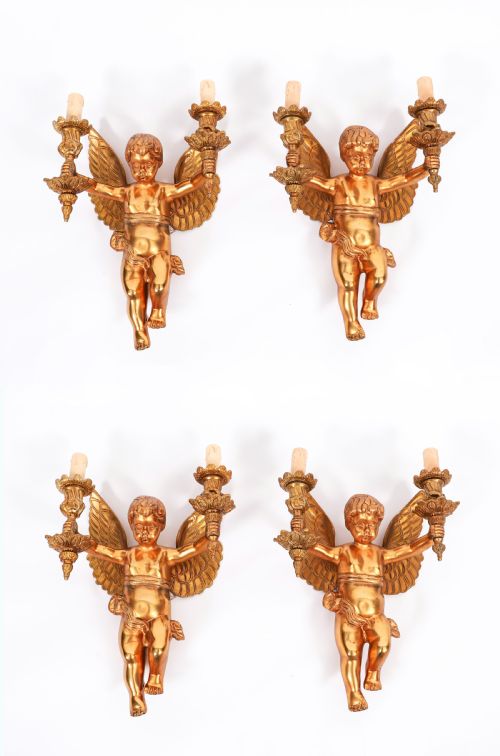
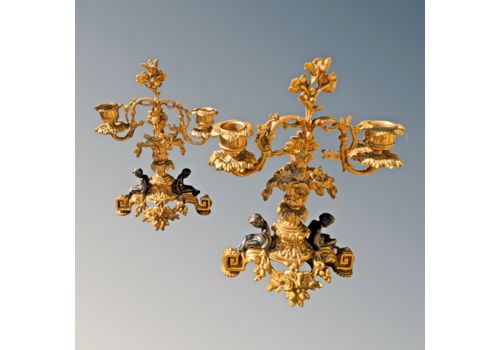


Ormolu Two Light Candelabra
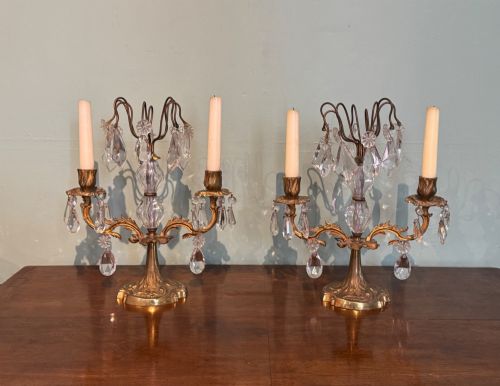
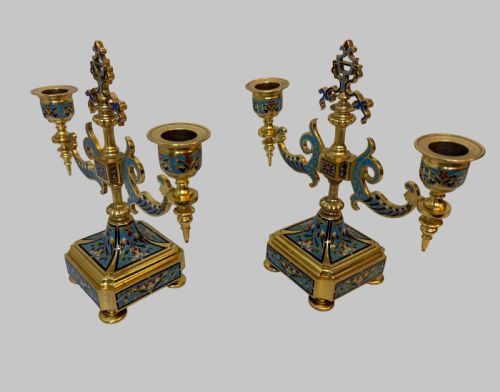
These ormolu two light candelabra bring the warm, reflective brilliance of gilded metal and sculpted bronze into a room.
Ormolu Two Light Candelabra
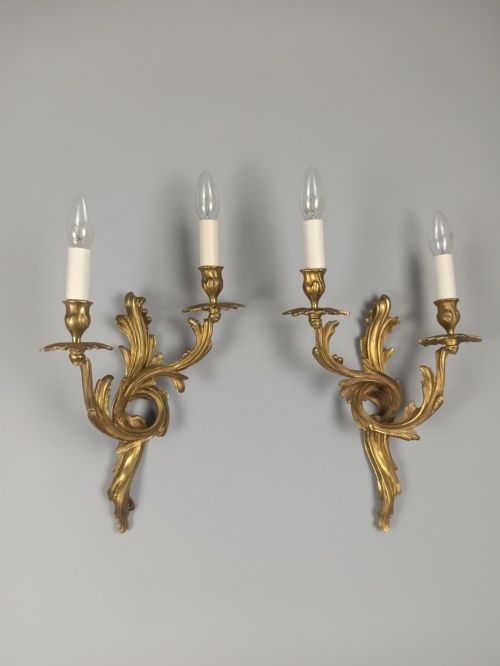
When you search for ormolu two light candelabra, you encounter decorative lighting fixtures designed to hold a pair of candles, predominantly originating from French workshops during the nineteenth century. The selection spans distinct aesthetic movements, including French Rococo Revival, Louis XVI, and Regency styles.
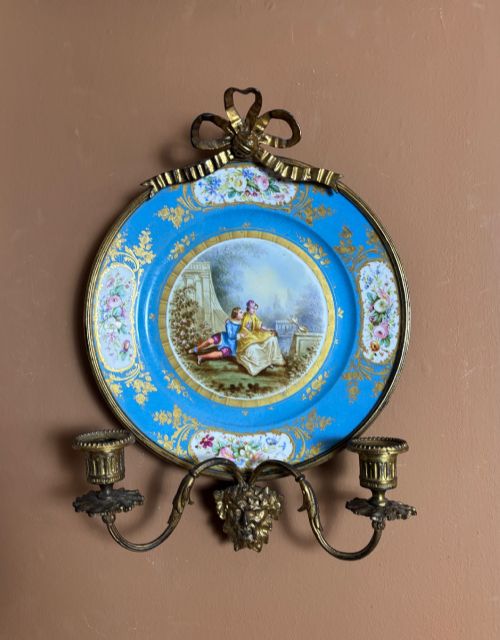
You are most likely to meet pairs featuring figural elements such as cherubs or animals alongside classical motifs like acanthus leaves and urns. While many function as table pieces, related wall lights and sconces also appear within the broader category of two branch lighting.
Materials and construction methods
The foundation of these pieces relies on cast bronze or brass, which received a fine layer of gold amalgam through the traditional mercury gilding process known as ormolu. This created a durable, rich surface lustre that resisted tarnishing over decades of use.
Manufacturers frequently combined gilded bronze with contrasting materials such as white or dark marble bases, patinated bronze figures, and cut crystal drops. These mixed media compositions required specialised bronze-founders and chasers to assemble securely.
Many pieces incorporate vigilant whippets or chubby cherubs keeping watch over your dining table while steadfastly holding the candles.
Judging the craftsmanship
Weight and stability also separate tiers of quality, with superior pieces utilising substantial bronze components balanced evenly on heavy marble plinths. The integration of separate arms and drip pans should feel seamless and rigid, showing minimal sign of loose joins.
Auguste Cain·Claude Clodion
The Ormolu Two Light Candelabra Glossary
- Ormolu
- A method of applying finely ground high-carat gold to a bronze object using mercury, or the resulting golden surface finish itself. The technique produced a characteristic warm glow that differs distinctly from modern electroplating.
- Chasing
- The manual process of refining a cast metal surface using small steel punches and hammers to sharpen details and textures. Master chasers added hair, feathers, and skin texture to figures after the initial casting cooled.
- Patinated bronze
- Bronze that has been chemically treated to darken its surface to a brown or greenish tone, often used in contrast with bright ormolu highlights on figural pieces. This dual-tone treatment was popular across nineteenth-century French ateliers.
- Rococo Revival
- A nineteenth-century design movement drawing inspiration from the asymmetrical curves, C-scrolls, and naturalistic shell motifs of the eighteenth century. It dominates the decorative language of many domestic candelabra from this period.
Ormolu Two Light Candelabra: Frequently Asked Questions
How do I clean ormolu candelabra?
Dust these pieces gently with a soft, dry brush to prevent accumulation in recessed areas. Avoid harsh commercial metal cleaners or abrasives, which strip away the thin historic gold layer.
If necessary, wipe surfaces very lightly with a damp cloth and dry immediately. Moisture must be kept away from any marble bases or wiring ports to prevent staining.
Were these designed for candles or electricity?
The original nineteenth-century manufacture of these objects was strictly for wax candles, utilising bobeches or drip pans to catch melting wax beneath the nozzles.
Many surviving examples have since been professionally adapted for electrical wiring to serve as table lamps. Such conversions often run discreetly through the central column without altering the exterior bronze work.
How can I tell a nineteenth-century piece from a later copy?
Examine the construction of the individual branches and fixing screws, as older pieces use hand-cut threads and heavy-gauge cast components. The quality of the chasing on bronze figures provides a reliable indicator of period craftsmanship.
Later reproductions often display softer surface details and lighter, more uniform metal alloys. Archival records and maker signatures, where present, help confirm the production era.
Where should I place a pair in my home?
These candelabra suit mantelpieces, sideboards, and console tables where their reflective surfaces catch natural daylight. Pairs look balanced when positioned symmetrically on either side of a mirror or artwork.
Because they incorporate delicate materials like marble and mercury gilding, they should sit away from high-traffic corridors and direct heat sources.