


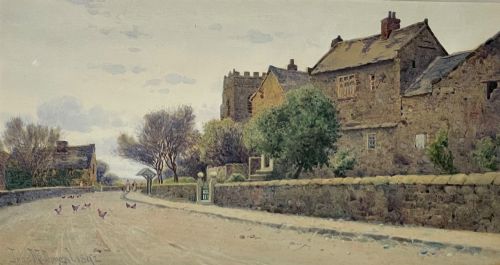
Original Painted Fine Art
Original painted fine art brings hand-rendered depth and historical character into a room through centuries of traditional pigment work.
Original Painted Fine Art
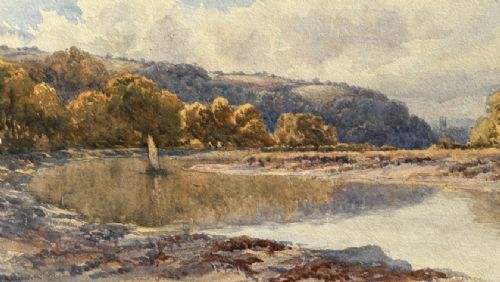
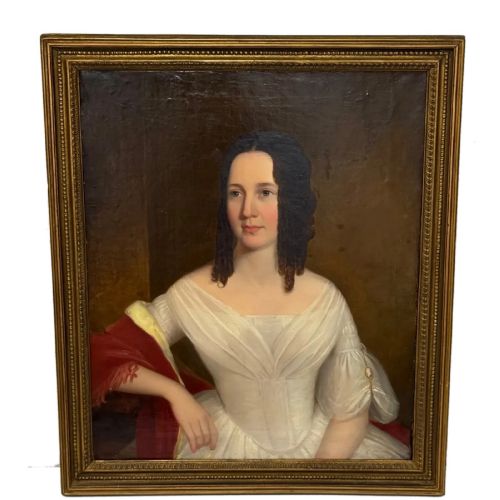
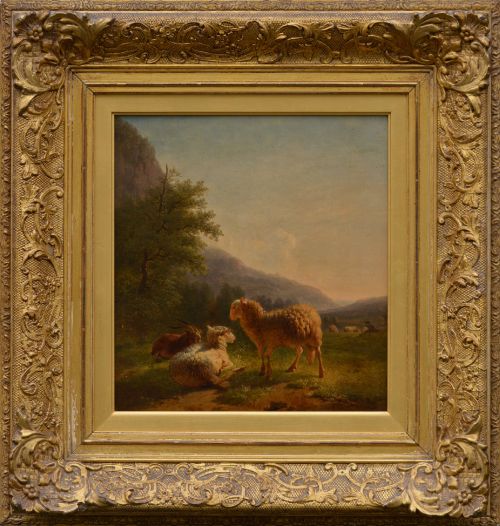
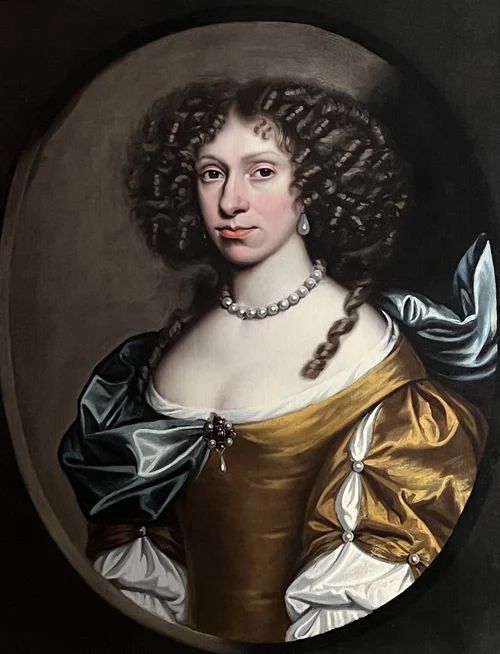
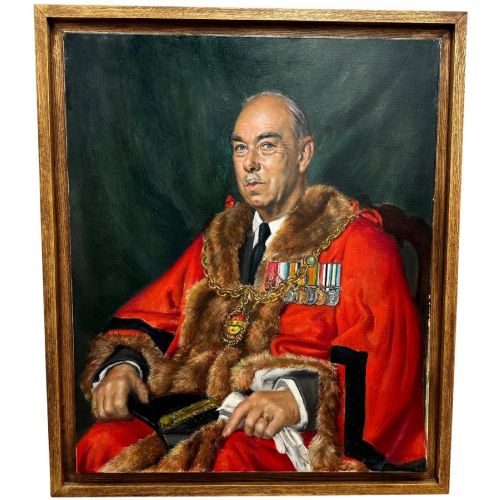
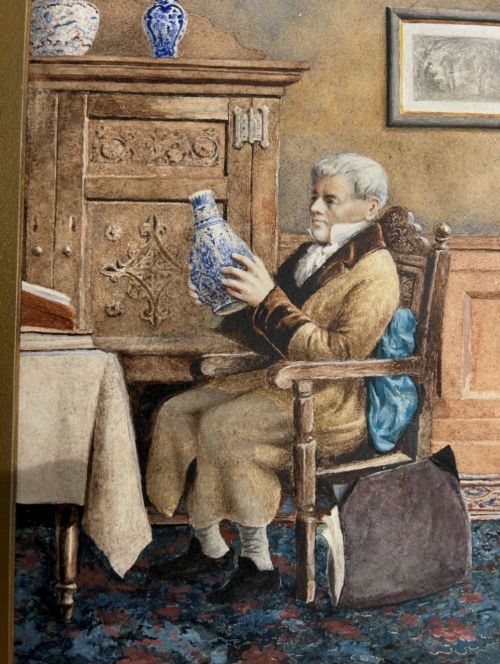
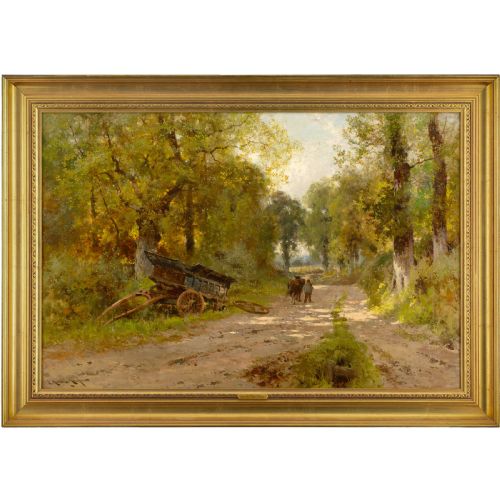
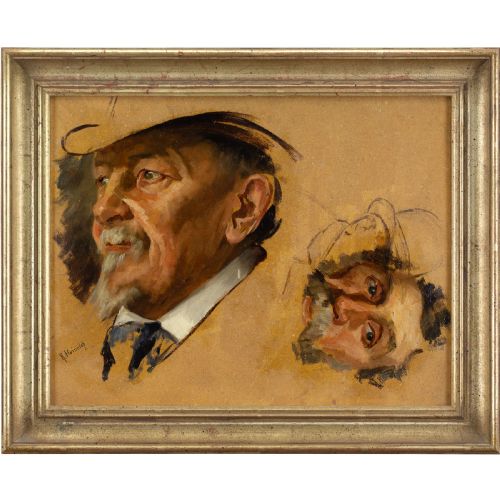
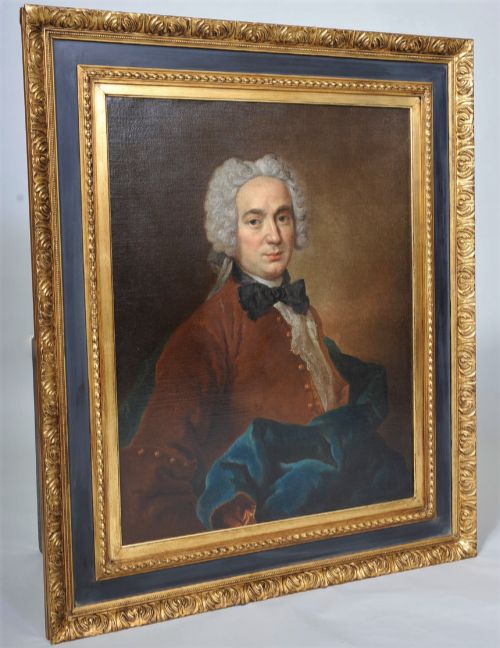
Original painted fine art encompasses hand-painted works including portraits, landscapes, and still lifes created across various historical periods. Buyers seeking original painted fine art will find expressions spanning the seventeenth through the mid-twentieth centuries, reflecting changing aesthetic movements.
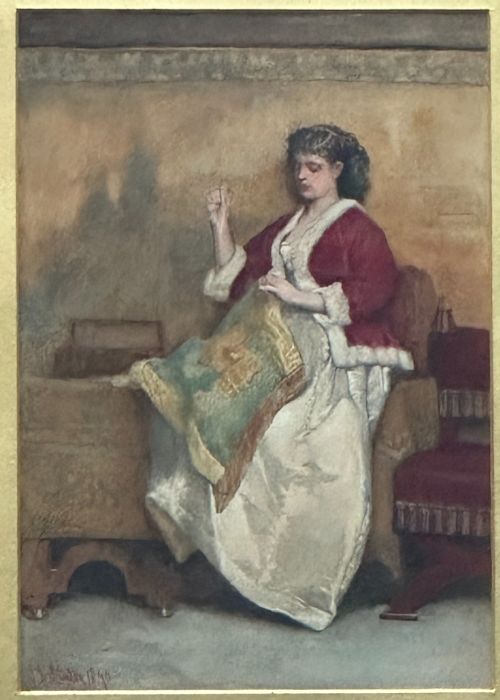
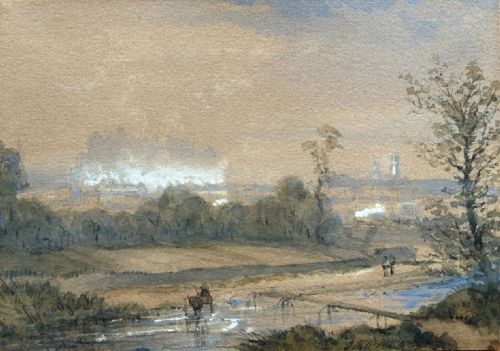
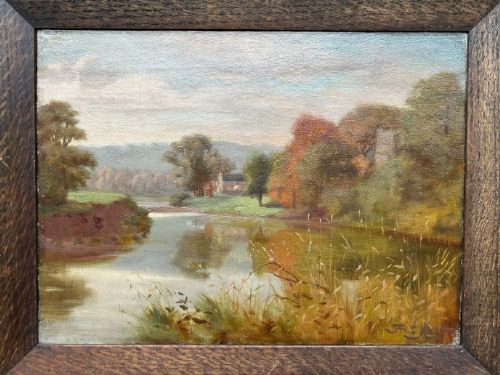
The selections available on this page lean heavily into nineteenth-century canvases, Edwardian watercolours, and mid-century British compositions. These pieces range from detailed portraiture to atmospheric rural and coastal landscapes.
Works appear in both oil and watercolour mediums, captured on canvas, wood panels, board, and paper. Each piece represents a direct touch from an artist working within periods such as Victorian, Georgian, and Modern British.
What varies in quality
Quality in these works rests upon the handling of light, brushwork confidence, and anatomical or spatial accuracy. Skilled execution elevates a portrait or landscape from a standard record to a compelling visual statement.
The preservation of the pigment layer and the integrity of the underlying support dictate the enduring condition of the piece. Stability in the canvas or panel and minimal intervention in the paint surface define superior examples.
A solitary Flemish artist decided in 1928 that surrealism and naivety belonged together on a single painted panel.
Eugène Verboeckhoven·Joseph Clover·David Scougall·Bernard Hailstone·Sir James Dromgole Linton·John R Prentice·George Graham·Thomas Ellison·Tom Campbell·Frederick Marriott·John Horace Hooper·Robert Heinrich·John McDougal·Robert Leslie Howey·Kershaw Schofield·George Houston·Kenneth Cozens·Robert Morson Hughes·Gabriel Mathieu·G. J. S. Bary·Lucy Pratt·Alfred Pollentine·Peter Brannan·Adelaïde Salles-Wagner·Max Kaltenmoser
The Original Painted Fine Art Glossary
- Oil on canvas
- Pigment suspended in a drying oil medium applied to a woven fabric support. This combination allows for rich blending and textured impasto work.
- Watercolour
- Paint consisting of transparent pigment suspended in a water-soluble vehicle, typically painted on paper. It creates luminous washes and delicate tonal shifts.
- Giltwood
- Wood carved and coated with a thin layer of gold leaf or metallic powder. It is commonly found on traditional picture frames from the eighteenth and nineteenth centuries.
- Impasto
- Paint applied thickly to a canvas or panel so that the brush or palette knife marks remain visible. This technique adds literal physical dimension to the painted surface.
- Provenance
- The documented history of ownership of a work of art. It establishes authenticity and traces the lineage of the piece from its creation to the present day.
Original Painted Fine Art: Frequently Asked Questions
How do I date an old painting?
Dating relies on examining the stretcher frames, canvas type, pigment composition, and the stylistic markers typical of periods like the Victorian era or the seventeenth century. Signatures, inscriptions on the reverse, and framing styles also provide vital chronological clues.
Expert analysis of costume in portraits or specific topographical details in landscapes can narrow the creation window to a particular decade or artistic movement.
Are watercolours as durable as oils?
Watercolours require careful protection from direct sunlight and moisture because paper supports and transparent pigments are more sensitive to environmental factors than oil on canvas. Proper framing behind glass with acid-free mounts preserves their condition.
Oil paintings generally offer greater physical resilience, though both mediums benefit from stable indoor humidity and regulated temperature conditions.
What is the difference between an oil and a watercolour?
Oils use slow-drying plant oils bound with pigments, allowing artists to layer rich colours, create textured brushstrokes, and work on opaque supports like canvas or wood. Watercolours utilise water-soluble binders on paper, resulting in translucent washes and light, luminous effects.
Each medium demands distinct handling techniques from the artist, resulting in fundamentally different surface textures and visual weights.