
Original British Painting
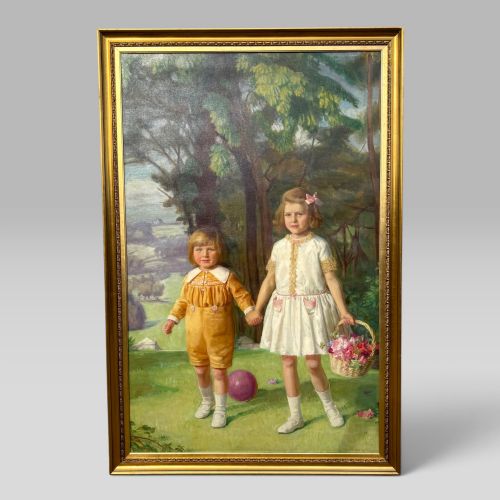
An original british painting brings home centuries of domestic landscape, portraiture and coastal scene work created by hands rooted in these islands.
Original British Painting
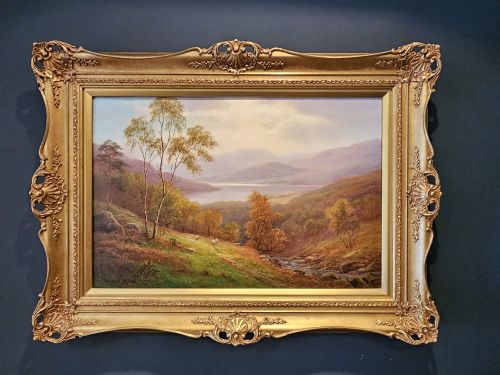
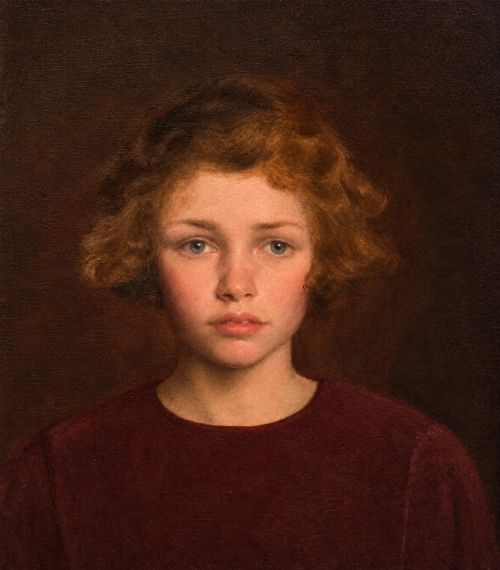
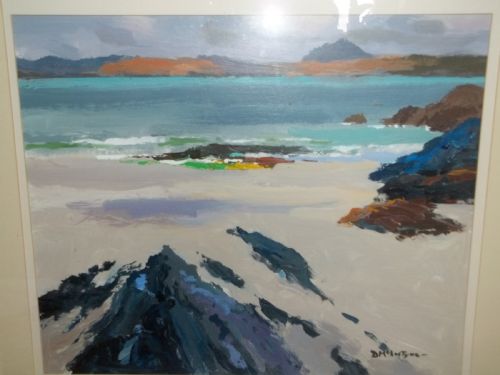
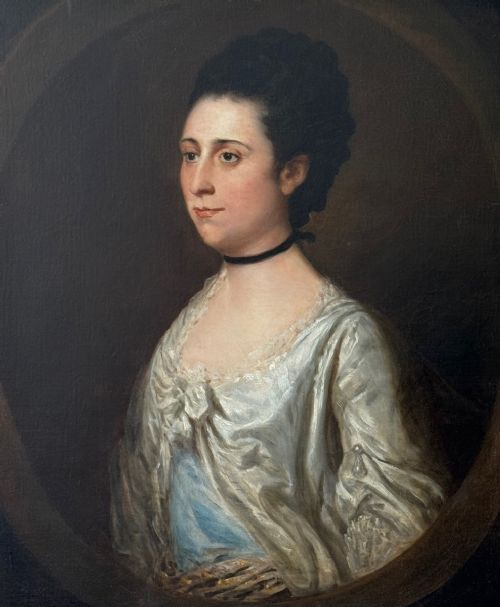
An original british painting encompasses centuries of visual art produced on these shores, spanning expansive rural landscapes, intimate portraits, and coastal views. Collectors seeking these pieces encounter works created across the nineteenth and twentieth centuries, reflecting changing aesthetic movements from Victorian naturalism to mid-century modernism.
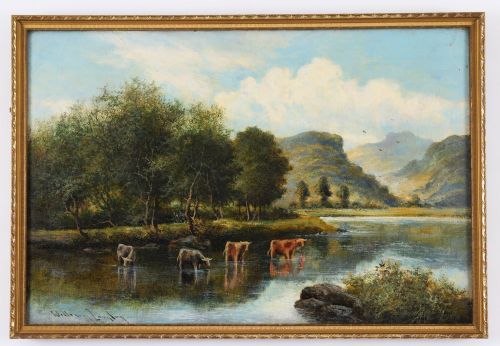
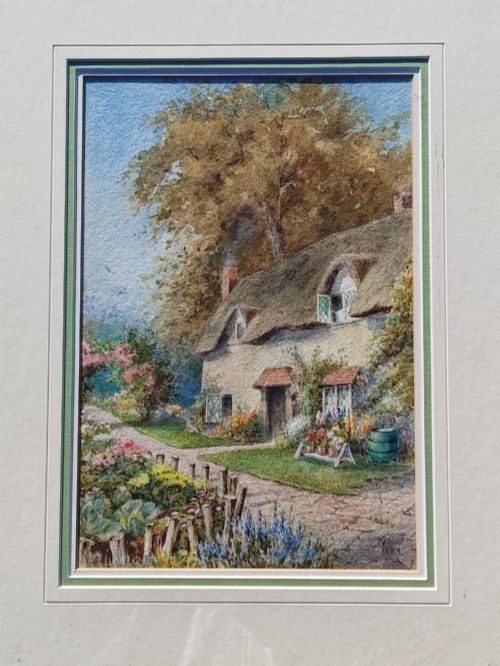
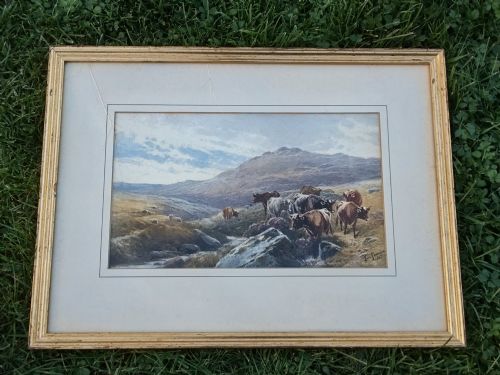
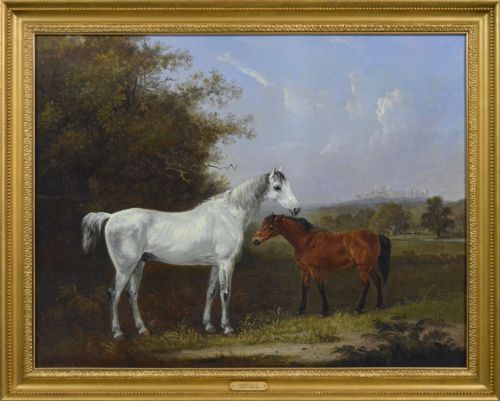
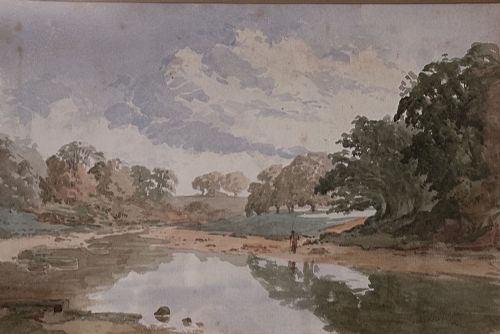
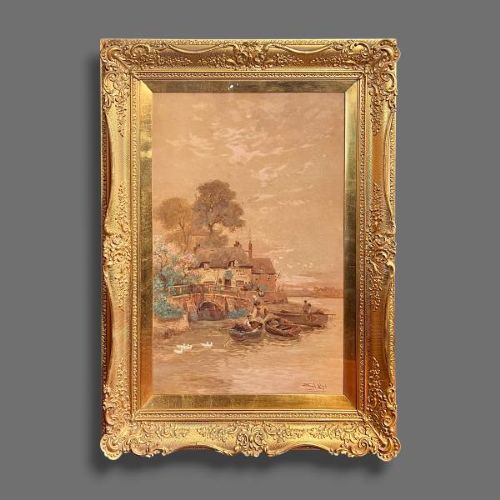
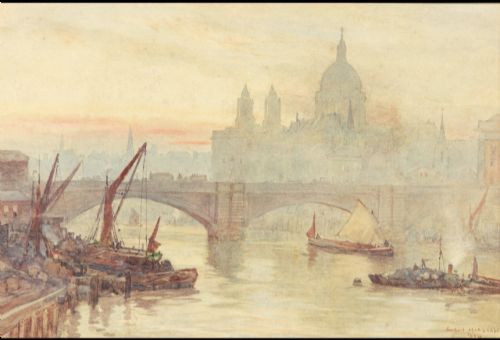
The selection ranges from detailed watercolours on paper depicting Highland cattle or urban landmarks to substantial oil paintings on canvas capturing pastoral rivers and maritime shipping. Works from the Edwardian era and the interwar decades appear frequently, offering distinct glimpses into British life through domestic interiors, rural cottages, and bustling markets.
These works function as historical windows and decorative focal points, shaped by named artists working within established British schools. Whether focusing on a small panel of flowers in a vase or a large-scale watercolor of a cathedral, the category preserves the physical touch of the brush across varied British terrain.
Materials and Techniques
Artists relied primarily on oil on canvas or wood panel, applying rich pigments that built up dense textures and deep tones over decades. Watercolour pigment on paper offered a lighter medium, allowing swift washes of colour to capture fleeting atmospheric conditions in landscapes and maritime scenes.
Support materials varied from stretched canvas and wooden panels to heavy paper and card, each chosen to suit the specific demands of oil, watercolour, pastel, gouache, or tempera. Frames and panels often bear the marks of contemporary framers, completing the physical construction of each artwork.
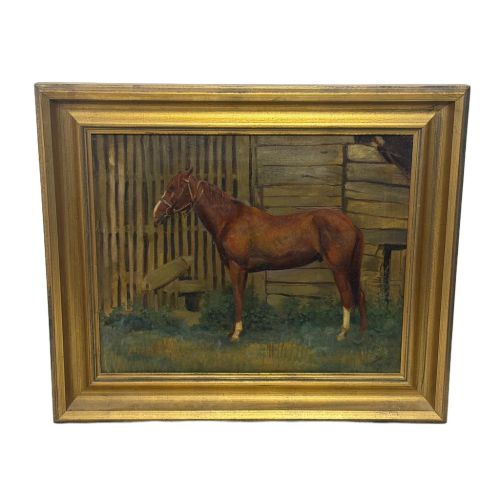
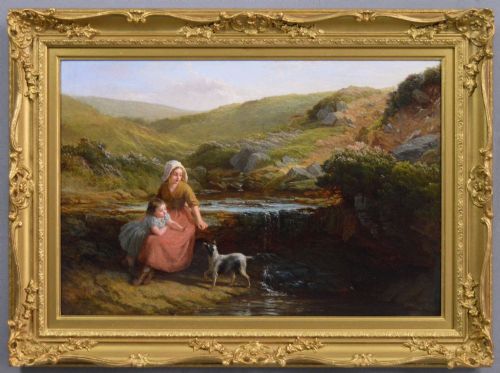
Several artists captured the quiet drama of cows, sheep, and dogs sharing the landscape with human figures across the British countryside.
Assessing Quality and Execution
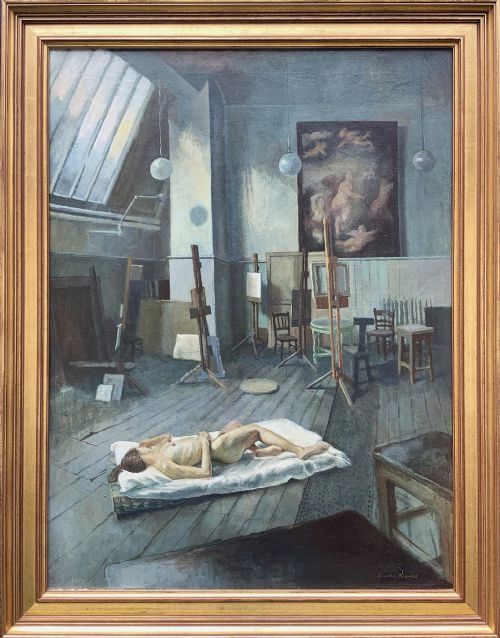
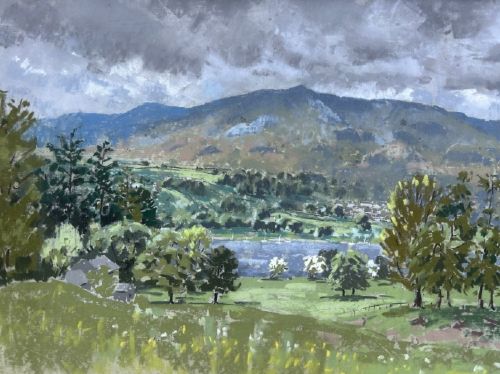
Quality rests in the sureness of the draftsmanship and the artist's command of light, tone, and composition within the chosen medium. Superior works demonstrate deliberate brushwork and confident handling of spatial depth, whether portraying a crowded interior life class or a quiet Cumbrian lake.
Condition of the pigment and support underpins the integrity of any piece, distinguishing well-preserved canvases and watercolours from those suffering heavy fading or surface disruption. The harmony between the subject matter, the scale of the work, and the execution separates standard topographical records from masterly visual art.
George F. Bird·Deidre Daines·Angus Rands·Lionel Ellis·William Langley·Edward Holmes·William Mellor·Donald McIntyre·Thomas Beach·Edmund Bristow·Stuart Lloyd·Herbert Menzies Marshall·William Taylor Longmire·David Law·Irene Christobelle Pownoll Williams·Bruce Bairnsfather·Kenneth Cozens·George Lorain Stampa·George Fotherly Hargitt·Bernard Hailstone·James Orrock·William Cannon·Sir James Dromgole Linton·John R Prentice·William H Myers
The Original British Painting Glossary
- Oil on Canvas
- A traditional painting technique utilising pigments bound in a drying oil, applied to a woven fabric stretched across a wooden frame. This method allows for rich blending and textured impasto work.
- Watercolour
- A painting method where fine pigment is suspended in a water-based, transparent solution applied to paper. It relies on the white of the paper to provide luminosity and light.
- Wood Panel
- A rigid wooden support used instead of canvas for painting, providing a firm surface often favoured in earlier periods or for smaller cabinet works.
- Gouache
- An opaque water-based paint that includes a white pigment filler, creating a heavier, matte finish compared to standard transparent watercolour.
- Tempera
- A permanent, fast-drying painting medium consisting of coloured pigment mixed with a water-soluble binder medium, such as egg yolk, typically applied to panel supports.
Original British Painting: Frequently Asked Questions
How do I care for an antique painting?
Keep works out of direct sunlight and away from damp walls or rapid temperature changes to protect the canvas and paper supports.
Dust surfaces gently with a soft dry brush and avoid chemical cleaners on both the paint layer and the period frame.
What is the difference between oil and watercolour?
Oils use slow-drying oil binders on canvas or panel, allowing thick textures and deep, reworkable layers of colour.
Watercolours use water-soluble pigments on paper, creating translucent washes that require protective glass framing.
How can I tell the period of a painting?
Examine the materials of the support, the stretcher frames, and any framing labels or inscriptions on the reverse.
Clothing styles, interior furnishings depicted, and the artist's working dates also provide clear chronological markers.
Where were most of these British scenes painted?
Artists worked across diverse British locations, from Scottish Highland landscapes and Cumbrian lakes to London streets and coastal fishing ports.
Many paintings record specific topographical spots alongside imagined genre scenes set in rural cottages.