

Original British Landscape Art
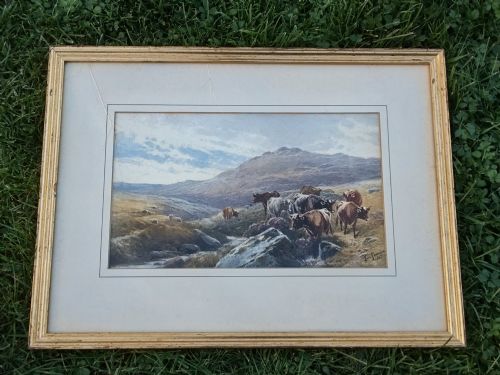
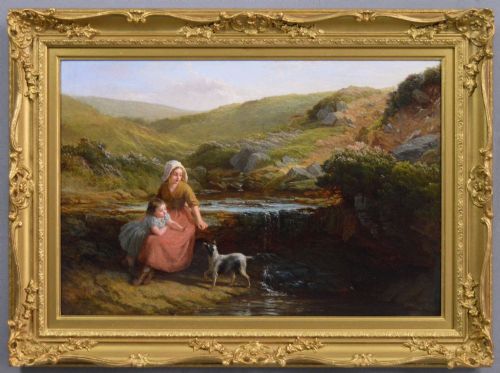
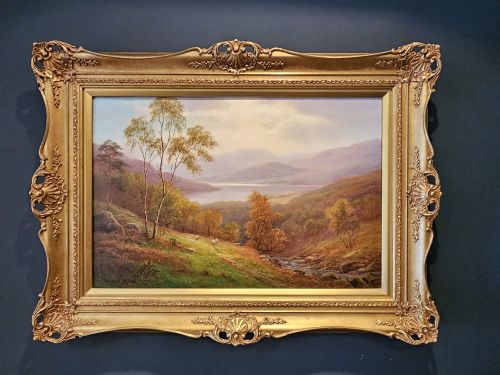
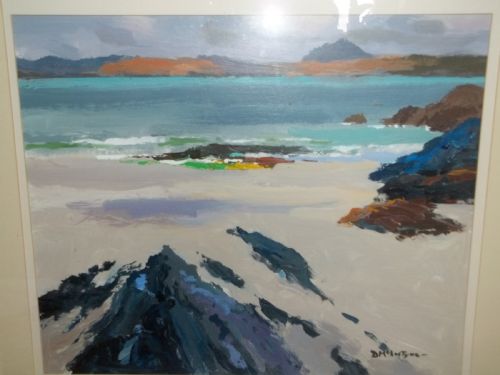
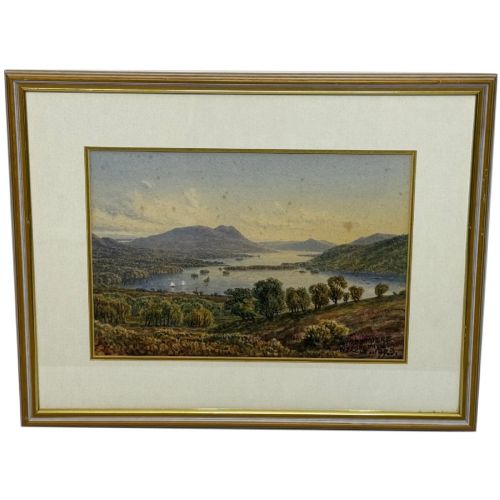
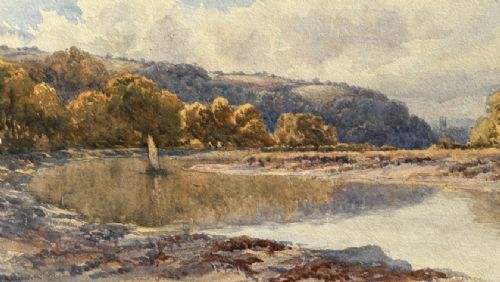
Original british landscape art captures the changing rural and coastal terrain through over a century of traditional painting.
Original British Landscape Art
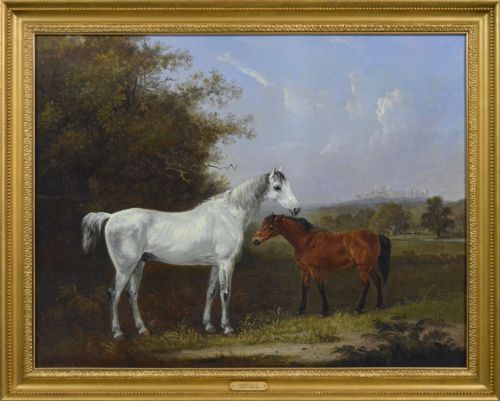
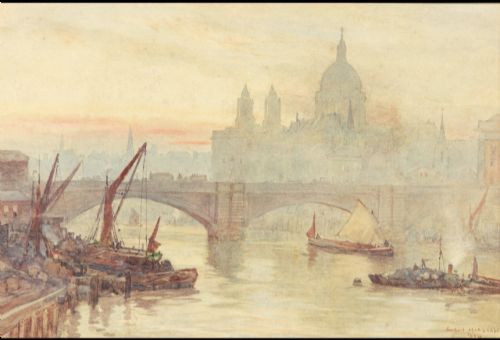
Original british landscape art encompasses painted and drawn depictions of countryside, coastal, and urban views created by artists working within Britain. These works range from late nineteenth century watercolours to mid twentieth century oil paintings on canvas and board.
How They Were Made
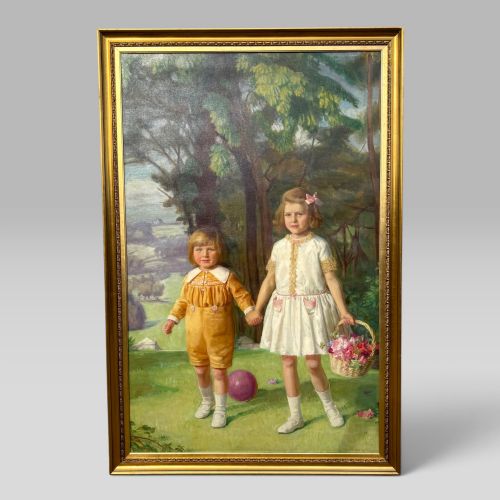
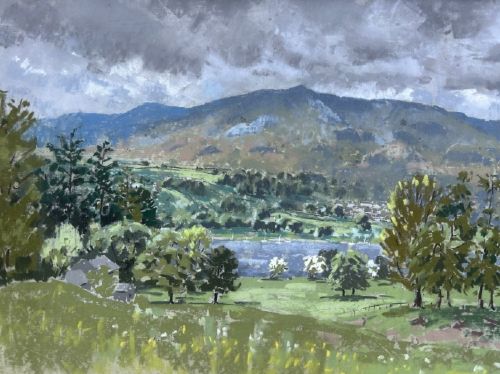
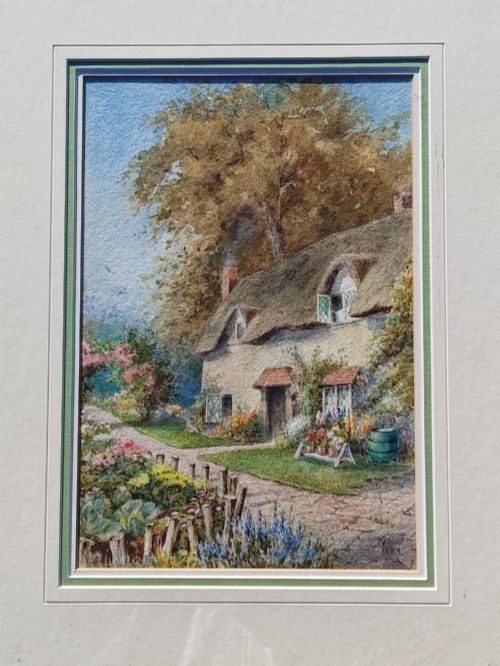
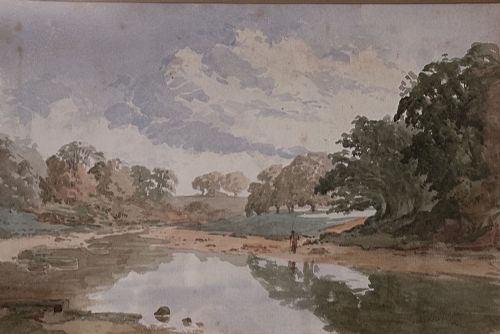
Artists utilised traditional media such as watercolour pigment on paper, oil paint on canvas, and oil on wooden panels or boards. Many Edwardian and Victorian works were painted en plein air to capture natural light directly.
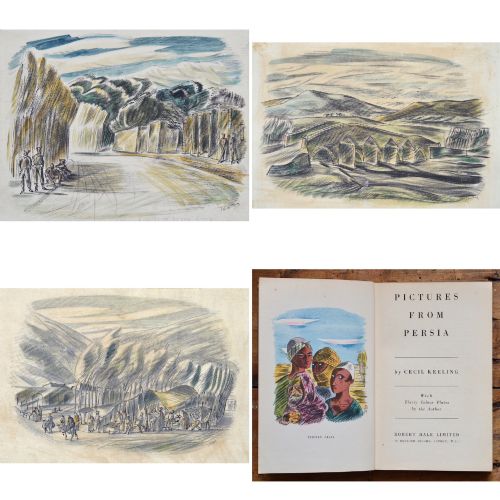
Draftsmanship relied on pencil and charcoal underdrawings before pigment application. Canvases and panels were finished with protective varnishes, while watercolours were mounted under glass within period frames.
Listings feature works created across eight distinct decades, spanning from the eighteen-fifties through the nineteen-sixties.
What Varies in Quality
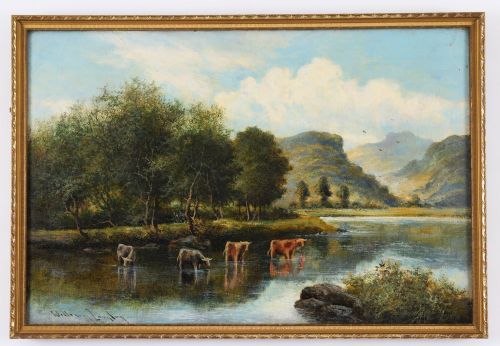
Quality rests upon the artist's handling of light, atmospheric perspective, and brushwork control rather than subject matter alone. Superior examples demonstrate confident execution in complex elements such as water reflections and cloud formations.
The integrity of the original support, preservation of pigment vibrancy, and appropriateness of the period frame further distinguish finer works from standard decorative pieces.
George Fotherly Hargitt·James Orrock·Henry Percy Huggill·John R Prentice·William H Myers·George Graham·Thomas Ellison·Tom Campbell·Alfred Young Nutt·Clifford Hanney·Percy Lancaster·Frederick Marriott·Arthur Wardle·John Horace Hooper·A Mitchell·William Joseph Shayer Senior·John McDougal·Alfred Fontville de Breanski Jr·Sidney A Court·EJ Letheren·Robert Leslie Howey·James E Aitken·Kershaw Schofield·John E Aitken·William Banks Fortescue
The Original British Landscape Art Glossary
- En plein air
- Painting outdoors to directly observe the landscape and changing natural light. This method became widespread during the late nineteenth century.
- Watercolour
- A paint consisting of colour pigment suspended in a water-based solution applied to paper. It creates transparent washes of tone.
- Impasto
- Paint applied thickly to a canvas or board so that the strokes stand out from the surface. This technique adds visible texture and dimension.
- Gouache
- An opaque water-based paint that includes a white pigment filler. It produces a heavier, more solid colour effect than traditional watercolour.
- Provenance
- The documented history and ownership record of an artwork. It establishes authenticity and traces the piece back to its creator.
Original British Landscape Art: Frequently Asked Questions
What periods do these landscapes cover?
The available selection spans from the mid nineteenth century through the Edwardian era and into the mid twentieth century. Pieces reflect prevailing artistic styles of their respective decades.
Works range from nineteenth century Victorian watercolours to post-war modern British paintings on board and canvas.
How are these artworks typically framed?
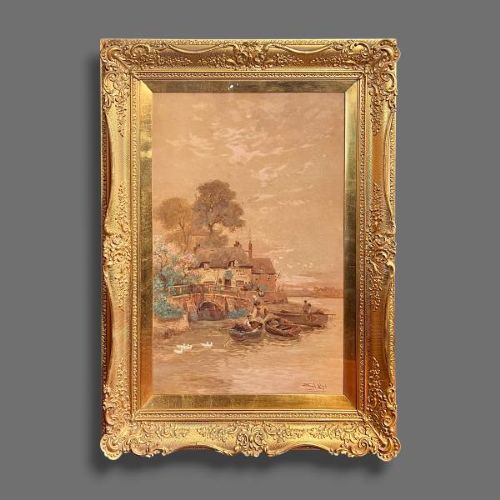
Many pieces retain period frames appropriate to their creation date, ranging from ornate Victorian gilt mouldings to simpler wooden frames. Some works are acquired in their original mount and glass.
Buyers should examine listing details regarding frame condition and whether glazing is included with watercolours or drawings.
Are these works signed by the artist?
Numerous pieces feature visible signatures, initials, or dates inscribed by the artist on the front or reverse of the canvas, board, or paper. Some historical works remain indistinctly signed or attributed to specific regional schools.
Exhibiting artist attribution is supported by historical exhibition records, stylistic comparison, and period documentation.
What subjects appear in these landscapes?
Common subjects include rural countryside scenes, coastal harbours, pastoral farmland with livestock, and mountainous terrain. Regional views focus heavily on Scottish, Welsh, and English locales.
Artists frequently recorded specific geographic locations such as the Lake District, the Thames Valley, and various coastal fishing villages.