







Oriental Lacquered Armchair
An oriental lacquered armchair brings rich colour and striking form to a room, combining traditional craftsmanship with exotic finishes.
Oriental Lacquered Armchair
An oriental lacquered armchair is a distinctive seating form defined by its wooden frame and lustrous surface finish. Buyers searching this phrase encounter pieces spanning the Victorian and Edwardian eras alongside older items rooted in the Qing dynasty.
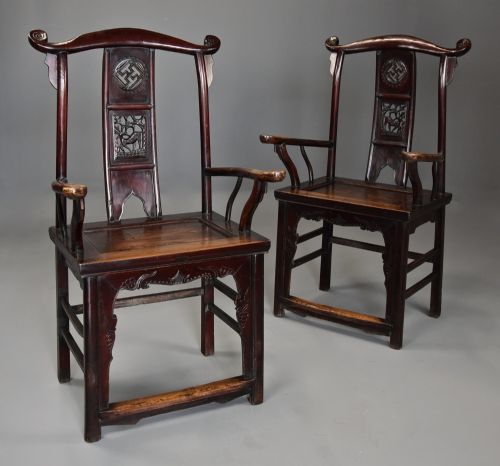
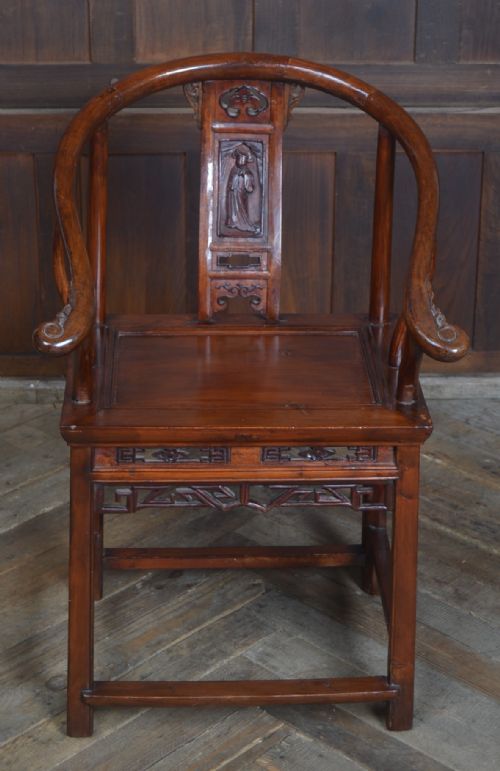
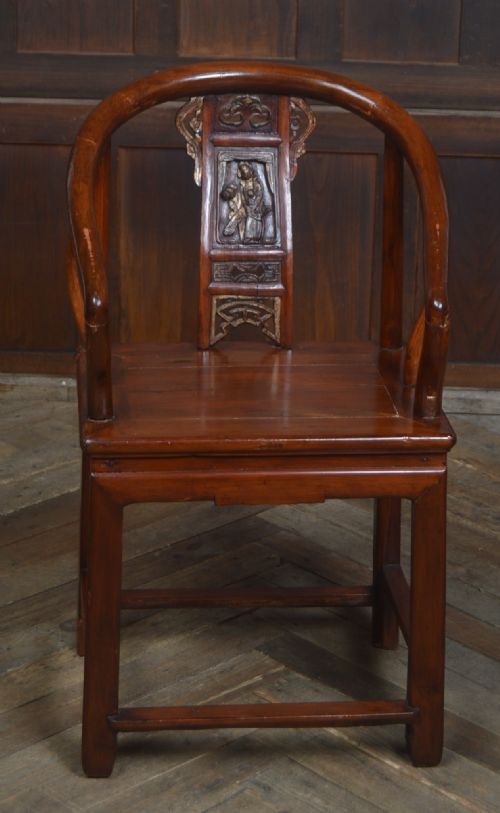
The selection here includes elm yokeback armchairs, bergere chairs with cane seats, and English Chinoiserie interpretations. These forms range from traditional Chinese seating to European pieces adopting oriental decorative motifs.
Origins vary from imported nineteenth-century Chinese elm examples to domestic japanned creations. Most pieces utilise classic chair forms such as elbow seats and yokebacks, finished in black or red lacquer.
How they were made
Maker construction relies heavily on sturdy hardwoods, predominantly elm, which provides a resilient base for intricate framing. Craftsmen shaped these timbers into supportive armchairs using traditional joinery methods suited to daily use.
Surfaces receive layers of lacquer applied to create a smooth, protective shell that often houses hand-painted details or gold leaf accents. Where seating incorporates flexibility, cane panels or velvet upholstery are integrated into the wooden framework.
Oriental Lacquered Armchair Retail Price Guide 2026
Typical asking prices for oriental lacquered armchair among the pieces listed under this phrase on Sellingantiques today, from the lower quarter to the upper quarter. They describe what is for sale here now, not the wider market.
What varies in quality
Quality rests significantly on the preservation of the original lacquer and the depth of the wood's patina. Pieces retaining their earliest red or black surface treatments display a richer character than those with later restorations.
Structural integrity of the underlying elm or hardwood separates standard items from finer survivals. The precision of the joinery and the intact state of canework or painted decoration dictate the standing of each armchair.
The Oriental Lacquered Armchair Glossary
- Yokeback
- A traditional chair design featuring a curved top rail resembling an ox yoke. This shape provides comfortable support for the sitter's upper back.
- Japanned
- European European imitation of East Asian lacquerwork popular in decorative furniture. Craftsmen built up layers of varnish to mimic oriental finishes.
- Bergere
- An enclosed upholstered armchair with wooden framing, often featuring cane sides and seat panels. This style appeared in several twentieth-century variations.
- Patina
- The surface sheen and colour developed by wood and lacquer over decades of use. A deep patina indicates age and gentle handling.
- Chinoiserie
- The European interpretation of Chinese and East Asian artistic traditions in decorative arts. It heavily influences English armchairs from the early twentieth century.
Oriental Lacquered Armchair: Frequently Asked Questions
What is an oriental lacquered armchair?
An oriental lacquered armchair is a wooden seat finished with traditional resin coatings, spanning Chinese elm forms and English Chinoiserie styles.
These chairs use materials like cane and hardwood to create functional seating with distinctive decorative surfaces.
How do I date these armchairs?
Dating relies on stylistic markers such as Qing dynasty proportions, Victorian framing techniques, and Edwardian or 1920s adaptations.
Examining the underlying timber, such as Chinese elm, alongside the wear of the lacquer helps establish the period of manufacture.
Where were these chairs made?
The pieces originate from workshops in China as well as English makers producing Chinoiserie and japanned furniture.
Imported nineteenth-century examples sit alongside domestic twentieth-century interpretations influenced by eastern designs.
How do I care for lacquer?
Lacquer requires protection from direct sunlight and excessive moisture to prevent the surface from drying or cracking.
Regular dusting with a soft, dry cloth preserves the finish and maintains the natural patina of the wood.