
Open Wooden Shelves
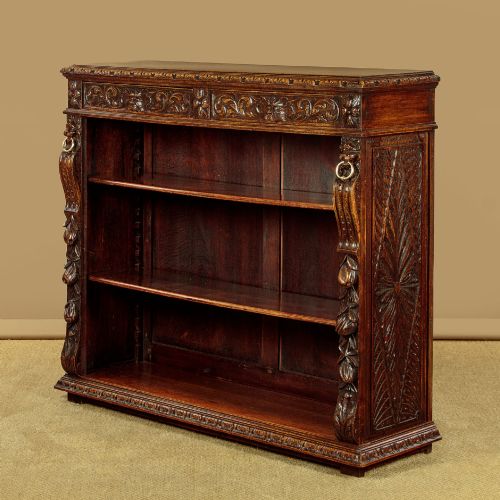
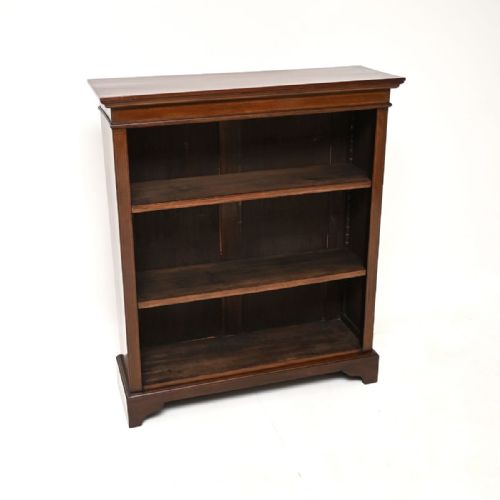
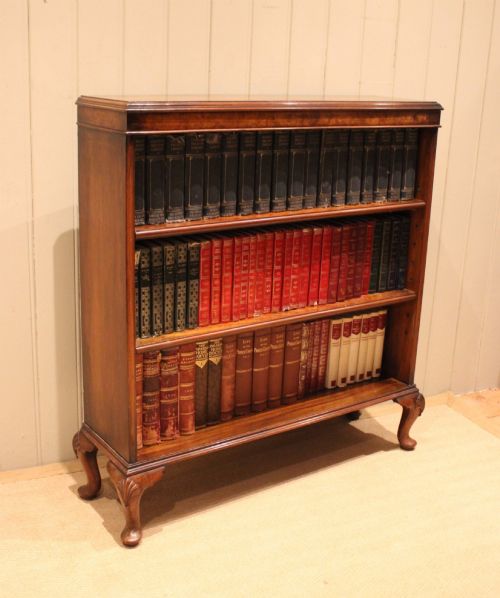
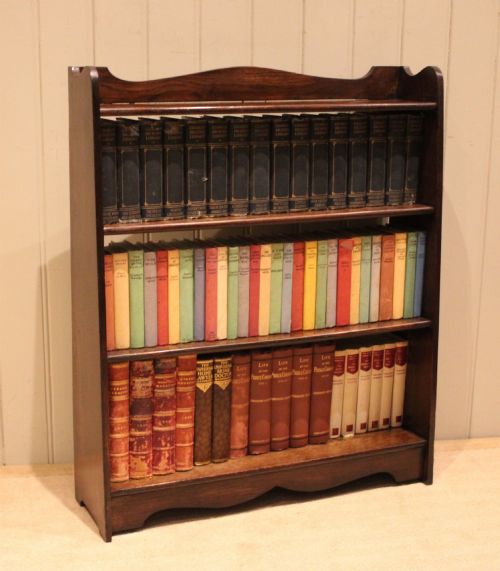
Open wooden shelves provide accessible storage and display, appearing in sturdy oak, mahogany, and walnut across Victorian and Edwardian periods.
Open Wooden Shelves
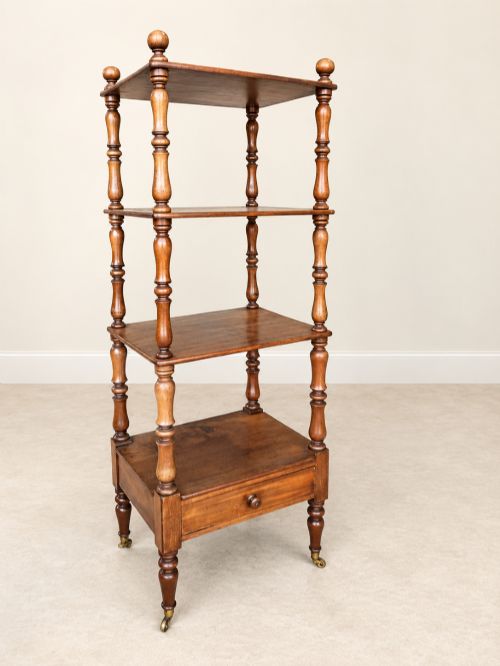
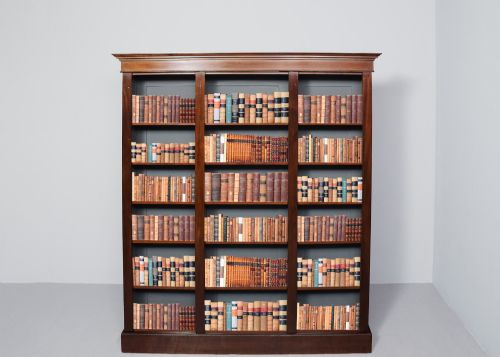
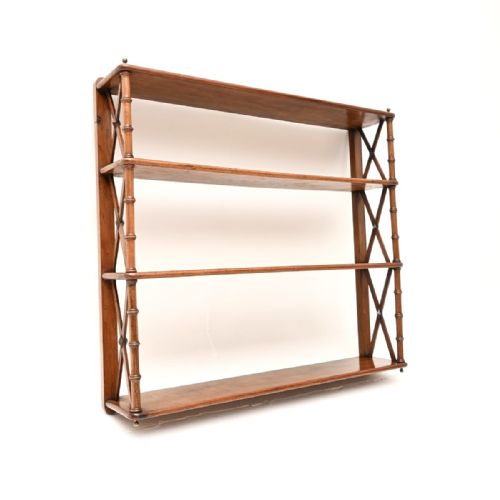
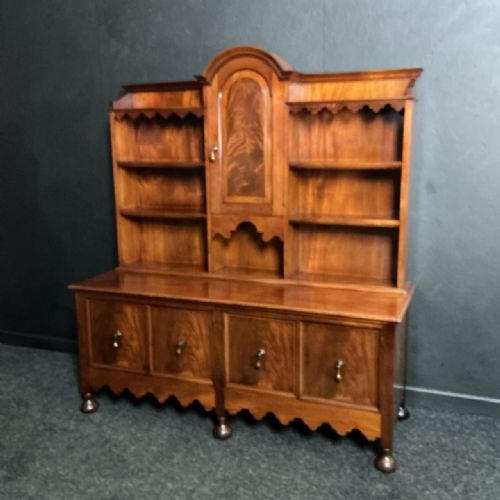
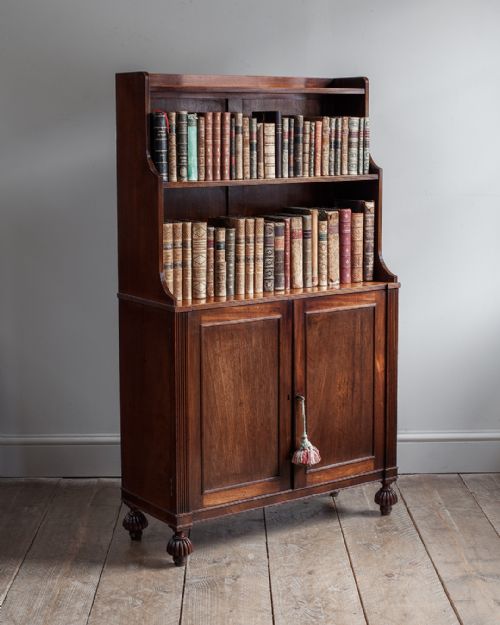
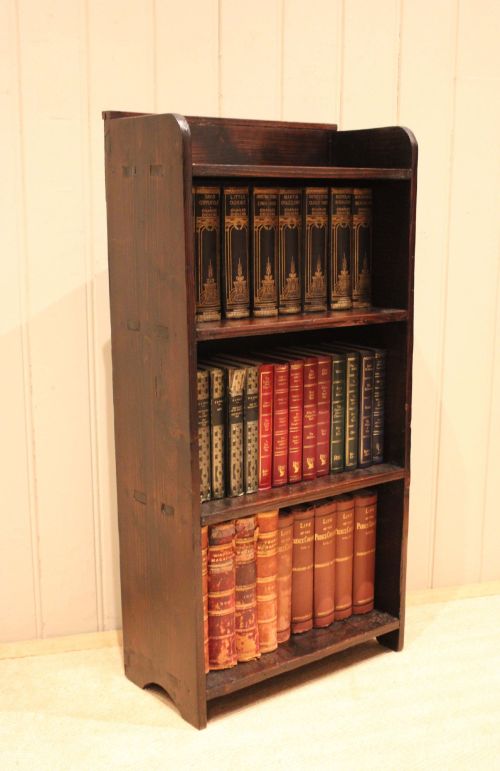
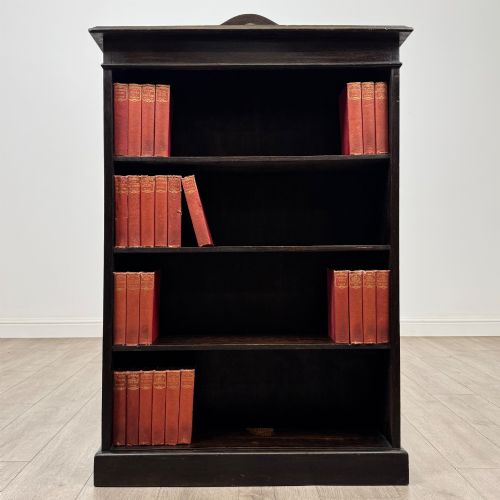
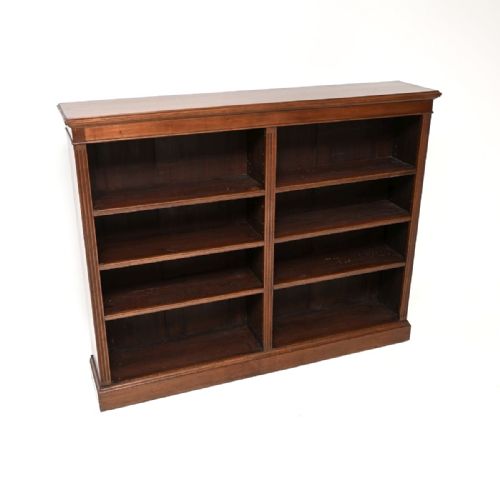
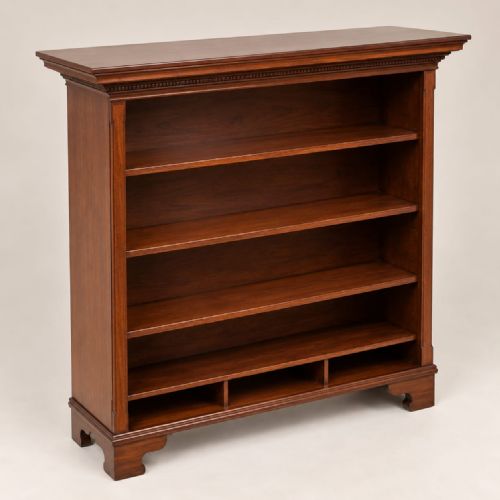
Open wooden shelves include bookcases, wall shelves, tiered stands, and dresser bases designed for practical utility and book storage. These pieces bridge domestic utility and display, offering a clear view of bindings and objects.
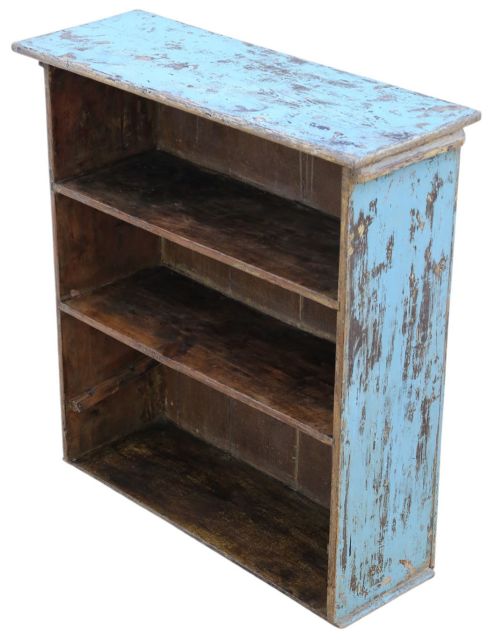
Edwardian and Victorian examples dominate the selection, alongside items from the Georgian period and the early twentieth century. Common formats range from compact rustic pine shelving units to large library bookcases in golden oak.
Originating largely from British and Irish workshops, pieces span styles from Arts and Crafts and rustic farmhouse to formal Regency and French provincial designs. Wall-mounted variants and floor-standing units cater to different room scales.
Construction and Materials
Solid hardwoods such as oak, mahogany, and walnut form the structural backbone of these pieces, often enhanced by decorative veneers like flame mahogany or burr walnut. Softer timbers like pine appear in rustic and provincial items.
Joinery methods range from straightforward pegged framing in farmhouse pieces to refined inlay and ormolu mounts in late nineteenth-century examples. Adjustable shelving mechanisms appear in several mahogany and walnut bookcases from the Victorian and Edwardian eras.
Bookcases dominate the object types, complemented by dresser bases, wall shelves, tiered stands, and bedside tables.
Judging Quality
The choice of timber and veneer selection dictates the initial visual impact, moving from utilitarian pine to finely figured burr walnut and flame mahogany. Timber density and the grain pattern depth distinguish high-grade cabinet work from standard utility pieces.
Refinement in secondary details, such as carved ornamentation, inlay work, and the inclusion of adjustable shelf supports, separates standard production items from workshop pieces. Structural integrity in the uprights and the stability of the open frame determine durability.
Johnstone and Jeanes
The Open Wooden Shelves Glossary
- Waterfall bookcase
- A set of open shelves where the sides step back progressively from bottom to top, creating a cascading profile often seen in mahogany and walnut. This design gained popularity during the nineteenth and early twentieth centuries.
- Dresser base
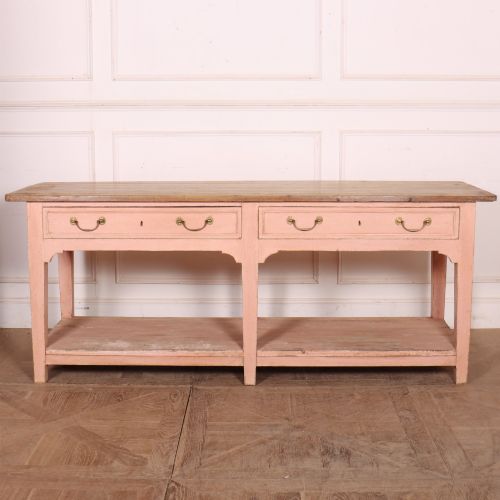
- The lower section of a kitchen or dining room dresser, typically featuring cupboards or drawers beneath a flat top, sometimes fitted with potboards. These utilitarian pieces originate largely from country farmhouses.
- Barley twist
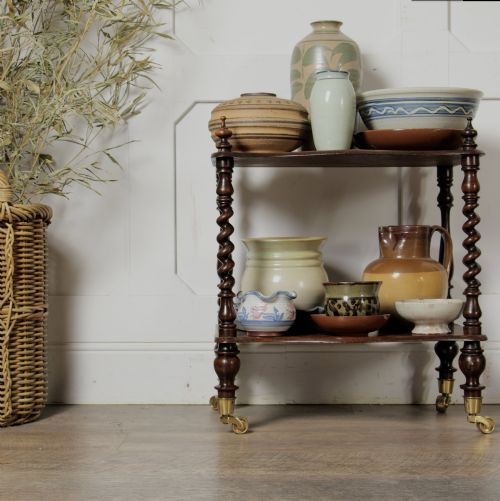
- A turning technique resembling a twisted rope, used on the upright supports and legs of Victorian stands and bookcases. This decorative motif adds texture to solid oak furniture.
- Ormolu
- Gilded bronze mounts applied to furniture for decorative enrichment, found on select nineteenth-century walnut pieces. This technique elevates the formal status of a bookcase.
Open Wooden Shelves: Frequently Asked Questions
How do I date an open wooden bookcase?
Dating relies on timber selection, construction techniques, and stylistic markers such as Arts and Crafts simplicity or Victorian carving. Secondary woods and hardware also help narrow down the period.
Examining the shelf adjustment mechanism and joint construction provides further clues to whether a piece originates from the early nineteenth century or the Edwardian era.
Are the shelves adjustable on these bookcases?
Many of the mahogany and walnut bookcases from the Victorian and Edwardian periods feature adjustable shelving supported by wooden ratchets or metal pins. Fixed shelves remain common in simpler pine and rustic country pieces.
Checking the interior walls of the bookcase reveals the presence of shelf tracks or support holes.
Where were these pieces used originally?
Open shelving units served primarily in libraries, studies, and parlours for housing working libraries and display items. Farmhouse dresser bases functioned as practical work surfaces and storage in domestic kitchens.
Wall-mounted shelves provided space-saving display in smaller rooms, while larger library bookcases anchored formal reception spaces.
How do I care for antique open shelves?
Maintaining wooden surfaces involves applying appropriate wax polishes to nourish the grain of oak, mahogany, and walnut timbers. Avoiding direct sunlight and sudden temperature changes protects veneers and prevents wood splitting.
Regular dusting with a soft, dry cloth preserves the finish without harming antique patination.