



Old Silver Brooch
An old silver brooch brings centuries of quiet sparkle, offering a tangible piece of history that fastens effortlessly to a lapel or scarf.
Old Silver Brooch
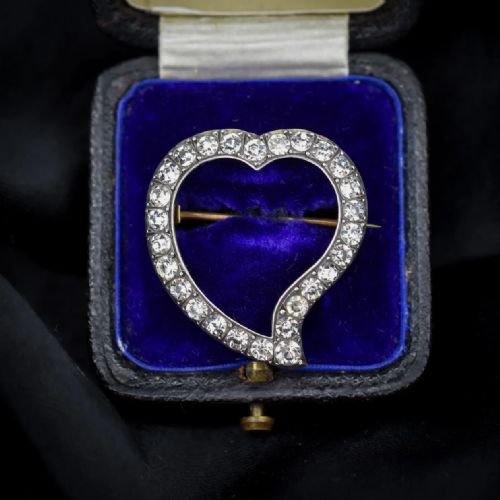
When you search for an old silver brooch, you encounter pieces spanning the Victorian, Edwardian, and Art Deco eras, alongside nineteenth-century examples. These ornaments range from modest sterling silver heart pins to elaborate convertible pendant brooches set with diamonds and sapphires.
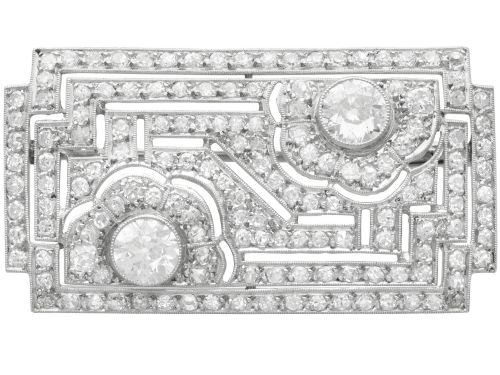
The selections on this page lean heavily towards nineteenth-century starburst motifs and twentieth-century geometric platinum-faced designs. You will frequently find multi-functional pieces that convert from brooches into pendants or feature central old cut stones.
Victorian examples often incorporate yellow gold alongside silver settings to support large clusters of diamonds or pastes. Edwardian and Art Deco creations favour platinum and sterling silver to showcase intricate bow, floral, and star patterns.
Materials and construction
The construction of an old silver brooch relies on traditional metalworking methods where silver is paired with gold, platinum, or paste. Jewellers mounted stones into silver settings, frequently backed by gold or platinum to provide structural strength and prevent tarnishing against clothing.
Stones are predominantly old cut diamonds, sapphires, and paste, shaped by hand rather than modern machinery. This hand-cutting technique gives each gem a softer, deeper facet pattern that catches candle or daylight differently than contemporary stones.
Old Silver Brooch Retail Price Guide 2026
Typical asking prices for old silver brooch among the pieces listed under this phrase on Sellingantiques today, from the lower quarter to the upper quarter. They describe what is for sale here now, not the wider market.
Current listings demonstrate a strong presence of Victorian and Art Deco pieces, combining sterling silver, platinum, diamonds, and sapphires.
What separates the best pieces
Quality in these pieces rests upon the harmony of the design and the integrity of the stone settings. Superior examples display meticulous hand-setting where the metal work frames the stones without obscuring their natural contours.
The depth of craftsmanship is visible in the reverse of the piece as much as the front, showing careful finishing and secure pin mechanisms. Balance, weight, and the original preservation of the silver and gold components dictate the standing of a piece within its period.
The Old Silver Brooch Glossary
- Old cut
- A diamond facet style popular before modern brilliant cutting, characterised by a smaller table and higher crown. This cut produces distinctive broad flashes of light.
- Paste
- Hand-cut lead glass used historically to imitate gemstones. High-quality paste stones are foiled behind to enhance their brilliance and colour.
- Convertible brooch
- A versatile piece designed to be worn both as a brooch fastened to fabric and as a pendant suspended from a necklace. These often include detachable fittings.
- Star burst
- A symmetrical celestial motif radiating outwards from a central stone. This design was particularly favoured during the nineteenth century for diamond-set brooches.
- Witches heart
- A heart-shaped motif with a twisted tail, symbolising love in historical jewellery. These designs frequently appear in Victorian silver and paste pieces.
Old Silver Brooch: Frequently Asked Questions
How do I wear an old silver brooch safely?
Pin the brooch securely through a sturdy fabric like wool or tweed rather than delicate silks. Ensure the safety catch is fully engaged before wearing.
For heavier pendant-brooches, check that the pin mechanism locks firmly into place to distribute the weight across your garment.
Can these brooches be worn as pendants?
Many pieces from the Victorian and Edwardian periods are convertible designs featuring hidden loops or detachable Bails. These allow the item to transition easily from a lapel pin to a neckpiece.
Examining the reverse of the mount will reveal small hinged loops designed for chains.
How do I clean antique silver jewellery?
Clean silver gently with a soft microfibre cloth to remove surface dust without disturbing the original patina. Avoid chemical dips, particularly on pieces containing paste or closed-back stones.
Professional jewellers should handle pieces with vulnerable foil-backed stones or delicate settings.
What is an old cut diamond?
An old cut diamond refers to stones shaped by hand in the nineteenth or early twentieth centuries. They feature smaller tables and larger culets compared to modern brilliant cuts.
This historic cutting style creates a warmer, softer sparkle under ambient light.